
Quick relief from allergies or mild reactions tempts many owners. Yet safe Benadryl use requires careful attention to dose and dog size. For small dogs, getting this right can prevent harm and ensure only benefits.
What Benadryl Does for Dogs
Benadryl is an antihistamine that reduces the symptoms of allergic reactions. It eases itching, swelling, and sneezing. Some vets also suggest it for mild anxiety or motion sickness. Its active ingredient is diphenhydramine.
Dogs react to medications differently. Some become calm and sleepy, others show little change. Effects begin in 30–60 minutes and can last 6–8 hours.
This medicine is used for short-term relief. It should not be a long-term treatment without guidance. Dogs with health issues may not tolerate it. Consider your dog’s condition first.
Correct Dosage for a 12 Pound Dog
Getting the dosage right is critical. A common guideline is 1 milligram per pound of body weight. For a 12-pound dog, that equals about 12 milligrams per dose. This can be given two to three times a day, depending on need.
If you want to confirm how much Benadryl I can give my 12-pound dog, many veterinary resources provide detailed dosing ranges and safety tips. These guides often stress the importance of checking the label strength before giving any tablet. Not all products are the same.
Standard Benadryl tablets are often 25 mg. This means you may need to split a tablet carefully. Giving a full tablet to a small dog could be too much. Precision matters.
Liquid versions make dosing easier for small dogs, but always check for unsafe additives like alcohol or xylitol.
When Benadryl Can Help Your Dog
Benadryl is useful for treating seasonal allergies in dogs. It can reduce itching from pollen or dust and may provide relief within an hour.
Insect bites or mild allergic reactions are another. It’s also used for insect bites or mild allergic reactions. Swelling and redness may decrease after dosing, and it often helps with bee stings. Alm anxious dogs or reduce motion sickness. This effect does not work for every dog. Results can vary.
Short-term use is usually safe when dosed correctly, but long-term use needs vet advice. Observing your dog’s response is important.
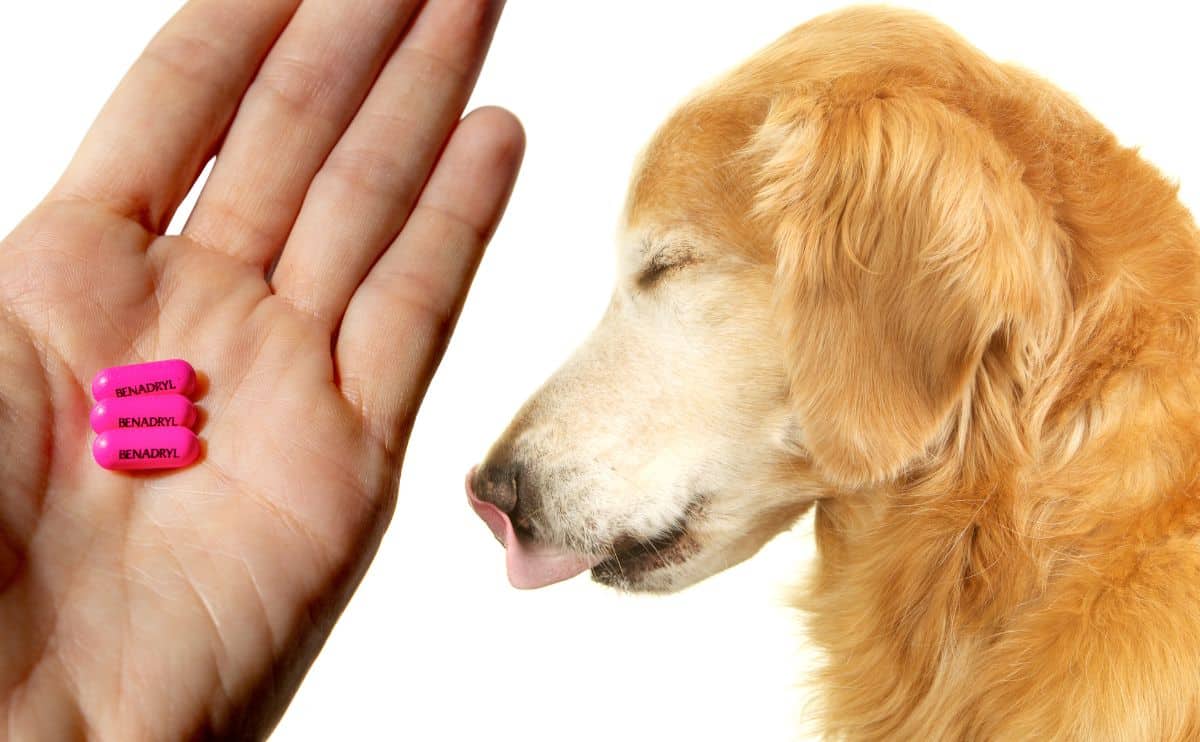
Possible Side Effects to Watch For
Even safe medications can cause side effects. Even safe medicines can cause side effects. Drowsiness is most common, so your dog may be tired. This is expected. ach upset. These symptoms are usually temporary. In rare cases, dogs may become excited instead of calm. This reaction is less common but possible.
After the first dose, watch for unusual behavior or discomfort. If symptoms are severe, stop and contact a vet.
Overdosing can be dangerous. Signs include rapid. Overdosing is dangerous. Signs include rapid heartbeat, confusion, or extreme lethargy. Get urgent care without delay. ot all dogs should take Benadryl. Dogs with glaucoma, heart disease, or high blood pressure may face risks. Pregnant dogs should also avoid it unless advised by a vet. Safety always comes first.
Check the ingredients carefully. Some human medicCheck ingredients. Some human medicines have harmful substances for dogs. Xylitol is especially toxic, even in small amounts. Give diphenhydramine; avoid mixing with other medicines without advice; watch your dog for 2 hours after dosing; and keep medicine away from pets.
Consulting a vet is the best step before starting. Always consult your vet before starting medicine. Even common drugs need professional input, as every dog is different. Veterinary advice reduces risks and ensures proper care.y, but careful dosing and observation are essential. A 12-pound dog needs a precise amount to stay safe and comfortable. Paying attention to details and seeking advice when unsure can make a big difference in your dog’s health and well-being.