
Finding cat waste in your yard can be frustrating and unpleasant. It creates a mess and can affect the cleanliness of your outdoor space. Many cats, especially strays or neighborhood pets, are drawn to soft soil and quiet areas. Understanding why this happens and how to prevent it can help you protect your yard.
Why Cats Choose Your Yard for Toileting
Cats look for soft, loose soil to relieve themselves. Gardens, flower beds, and fresh dirt are perfect for this. The texture makes it easy for them to dig and cover their waste. This behavior is instinctive. It is difficult to stop without changing the environment.
Smell plays a big role, too. If one cat has used your yard before, the scent can attract others to the same spot. This creates a repeated cycle that becomes harder to break over time. Removing odors is part of the solution.
Territory marking is another reason. Cats may use your yard to mark their presence, especially if other animals are nearby. This behavior is more common in unneutered cats. It can happen frequently.
Some yards feel safe. Quiet spaces attract cats.
Effective Methods to Stop Cats from Returning
There are several ways to make your yard less appealing to cats. If you want a helpful overview, this guide explains how to get cats to stop pooping in your yard and offers practical ideas you can try. Using multiple methods often gives the best results.
Start by changing the soil texture. Adding mulch, stones, or bark can make it harder for cats to dig. Even placing small sticks or pinecones in garden beds can discourage them. Cats prefer smooth surfaces, so rough areas are less attractive.
Use natural repellents. Strong scents, such as citrus peels, vinegar, or certain herbs, can deter cats. These smells are unpleasant for them but safe for your garden. Reapply these scents every few days for better results.
Water can also be a deterrent. Motion-activated sprinklers work well because they surprise cats without harming them. Many cats dislike water and will avoid areas where they get wet. This method is effective.
Consistency matters. Keep applying changes.
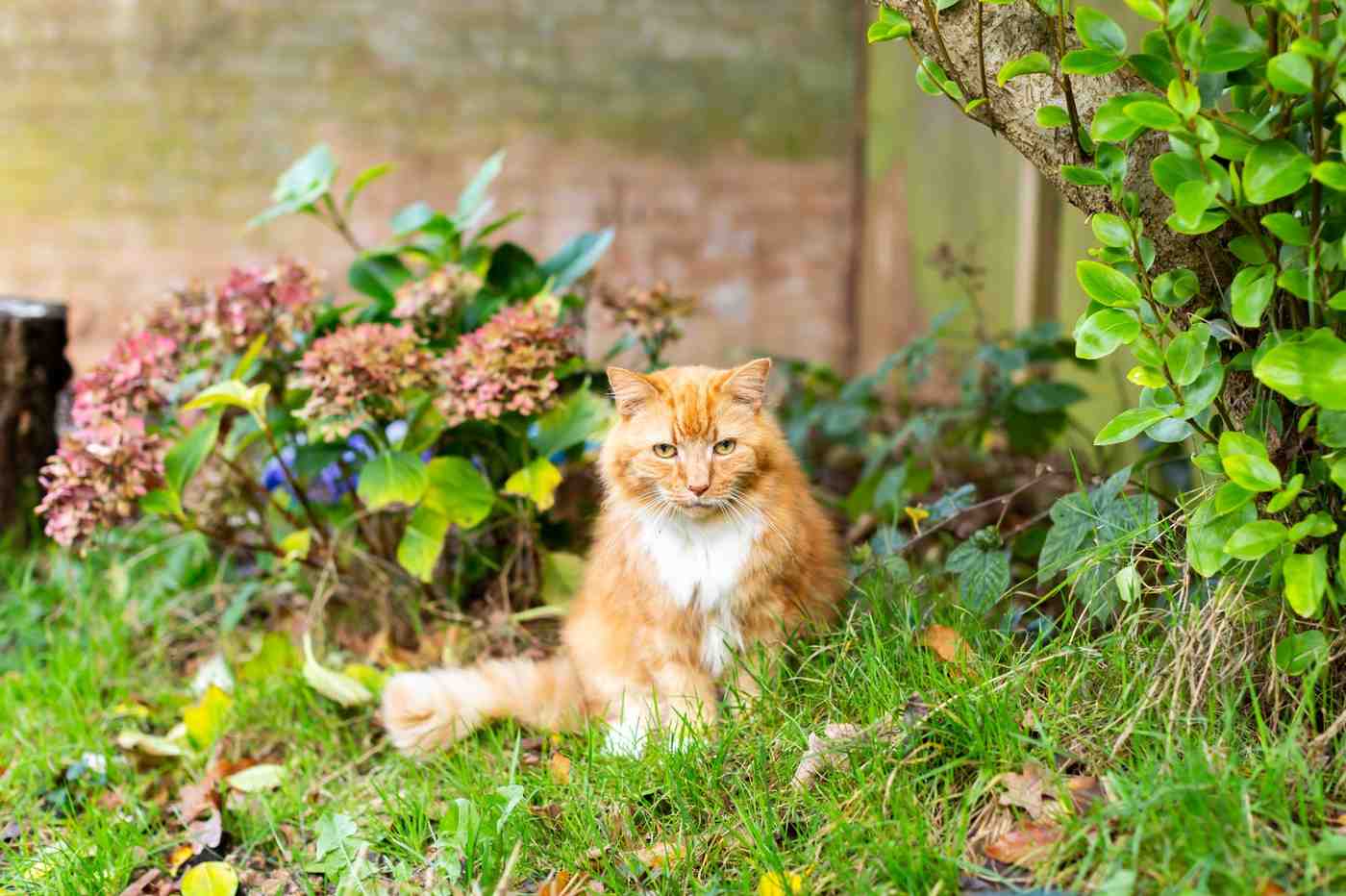
Making Your Yard Less Attractive to Cats
Blocking access points can reduce the number of cats entering your yard. Check for gaps in fences or open areas where cats can slip through. Sealing these spaces makes a big difference. Even small barriers can help.
Covering garden beds is another useful step. Use mesh, netting, or plant covers to protect soil areas. This prevents cats from digging and settling in those spots. It also protects your plants.
Remove anything that attracts cats. Leftover food, open trash, or bird feeders can draw them in. Keeping your yard clean reduces interest. A tidy space is less inviting.
Some people use ultrasonic devices. These emit sounds humans cannot hear, but they may deter animals. Results can vary, but they are worth trying in some cases.
Small changes help. Keep adjusting.
Safe and Humane Ways to Handle the Problem
It is important to use humane methods when dealing with cats. Avoid harmful chemicals or traps that could injure them. Safe solutions protect both your yard and the animals. Respect matters.
If the problem involves a neighbor’s cat, consider having a polite conversation with the neighbor. Many owners are unaware of their pet’s behavior. Working together can lead to a simple solution. Communication helps.
For stray cats, contacting local animal services or rescue groups may be an option. They can assist with humane control methods such as neutering programs. This can reduce repeated behavior over time. Long-term solutions work best.
Here are a few humane approaches to follow:
– Use natural repellents instead of chemicals
– Install barriers without sharp edges
– Avoid shouting or scaring aggressively
– Keep the yard clean and organized
– Seek help from local animal groups
Kind methods work better. Stay patient.
Maintaining a Cat-Free Yard Over Time
Once you have reduced the problem, maintenance becomes important. Cats may return if the yard becomes inviting again. Regularly check for signs of digging or waste. Early action prevents repeat issues.
Keep applying deterrents consistently. Replacing scents, checking barriers, and maintaining cleanliness should become part of your routine. This keeps your yard less attractive. Routine builds results.
Seasonal changes can also affect cat behavior. During warmer months, cats may roam more and explore new areas. Be extra alert during these times. Adjust your methods if needed.
Over time, cats will learn to avoid your yard if it remains uncomfortable and uninviting, especially when multiple deterrents are used together and maintained consistently without long gaps.
Keeping cats out of your yard requires patience, consistency, and a mix of simple strategies. By making your space less appealing while using safe methods, you can protect your garden and enjoy a cleaner outdoor environment without harming animals.