Many dog owners worry when their pet looks thinner than usual. A slim body can be normal for some breeds, but in other cases it may signal a problem. Knowing the difference between a healthy weight and being underweight is important for your dog’s well-being. Careful observation and occasional checks at home can help you better understand your dog’s condition.
Signs That Your Dog May Be Underweight
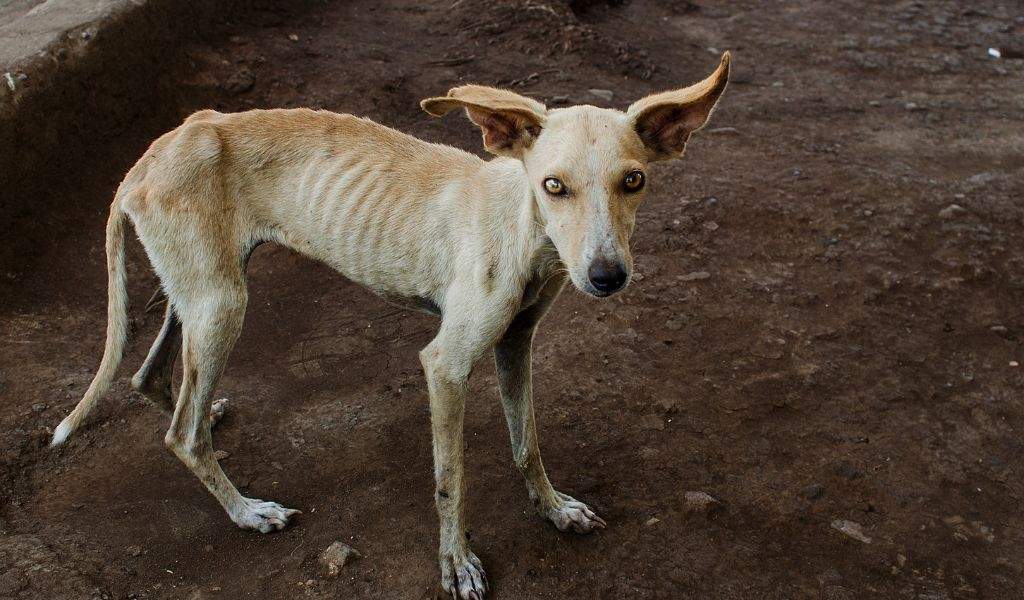
One of the first signs is visible ribs, spine, or hip bones. While it is normal to feel your dog’s ribs with light pressure, they should not be clearly visible from a distance. If your dog’s bones stick out sharply, they may be too thin. This is often easy to notice when your dog is standing still.
Another sign is a lack of muscle mass. A healthy dog usually has a firm body with some muscle around the legs and shoulders. If your dog appears weak or sunken, it may indicate weight loss. This can happen gradually over several weeks.
Low energy levels can also suggest being underweight. Dogs need nutrition to stay active. If your dog tires quickly or sleeps more, take note. Behavior changes are important.
Check their coat too. A dull or dry coat can be linked to poor nutrition. Healthy dogs usually have a shiny, smooth coat. Physical appearance often reflects internal health.
It’s important to remember that breed and genetics affect body type, so before assessing your dog’s condition, consider what is typical for your dog’s breed.
Using Body Condition Scoring to Assess Your Dog
Veterinarians often use a system called the Body Condition Score (BCS) to evaluate a dog’s weight. This scale usually ranges from 1 to 9, where 1 means very underweight and 9 means obese. A score of 4 or 5 is considered ideal for most dogs. Learning this system helps you judge your dog’s condition more accurately.
To check at home, run your hands along your dog’s ribs and sides. Ribs should be easy to feel, but not sharp. The waist should be visible from above, but not extreme.
If you want a helpful guide to understanding the scoring system, this resource explains whether your dog is too skinny in a clear, practical way. It shows visual examples that make it easier to compare your dog’s body shape. Visual tools can be very useful.
Pay attention to proportions. A balanced body—not overly thin or round—matters. Small differences indicate if your dog is underweight or needs attention. Even a 10 percent weight drop is significant.
Consistently monitoring your pet’s weight and body condition can help you notice changes, which is why it’s important to understand the reasons behind weight loss.
Common Reasons Why Dogs Become Too Skinny
There are several reasons why a dog may lose weight or struggle to gain it. One common cause is a poor diet or insufficient calorie intake. Feeding low-quality food or incorrect portion sizes can lead to gradual weight loss. Nutrition plays a major role.
Parasites, such as worms, can steal nutrients, even if your dog eats regularly, leading to weight loss despite a normal appetite. Regular deworming helps prevent this.
Health conditions like digestive disorders, kidney disease, or diabetes also lead to weight loss, as they affect nutrient use. Symptoms may not be obvious at first, so early detection is important.
Stress or anxiety can reduce appetite. New environments, loud noise, or routine changes may cause your dog to eat less. Emotional health is as important as physical health.
Age can influence weight, too. Older dogs may lose weight due to slower metabolism or dental problems that make eating uncomfortable. Puppies, on the other hand, need extra calories to support growth.
How to Help Your Dog Gain Weight Safely
If your dog is underweight, increasing food intake should be done carefully. Start by choosing high-quality dog food with a balanced nutrient profile and enough calories. Look for food that contains protein, healthy fats, and essential vitamins. Quality matters more than quantity.
Smaller, more frequent meals help. Instead of large meals, divide food into three or four portions a day. This aids digestion and nutrient absorption. Gradual changes work best.
Adding healthy extras like boiled chicken, rice, or small cooked egg portions can provide extra calories. Introduce new foods slowly and keep portions controlled.
Exercise is important. Moderate activity builds muscle and improves appetite. Short daily walks or play help with healthy weight gain. Balance is key.
Track progress weekly with a scale if possible.
A vet may recommend special diets or supplements to help dogs gain weight safely. Follow professional advice, as each dog is different.
When to Seek Veterinary Advice
If your dog continues to lose weight despite eating well, consult a veterinarian, as unexplained weight loss may signal an underlying problem. Early diagnosis prevents complications.
Watch for warning signs such as vomiting, diarrhea, or sudden behavioral changes that may accompany weight loss. Ignoring these can worsen the situation. Quick action helps your dog.
Blood tests and other diagnostic tools may be used to find the cause. These tests provide valuable information about your dog’s internal health. Treatment plans depend on the results. Proper care starts with an accurate diagnosis.
Annual vet visits help monitor your dog’s weight and condition, especially as they age or undergo changes in diet, environment, or activity that can affect health.
Understanding your dog’s weight requires attention and care. By watching for changes, providing proper nutrition, and seeking help when needed, you help keep your dog healthy and comfortable at every life stage.