
Cats are known for spending a large part of their day sleeping. Many pet owners are surprised by how often their cats nap, sometimes for most of the day. This behavior can seem unusual compared to humans or even dogs. However, it is a natural part of feline life. Understanding why this happens helps owners better care for their pets.
How Much Cats Normally Sleep
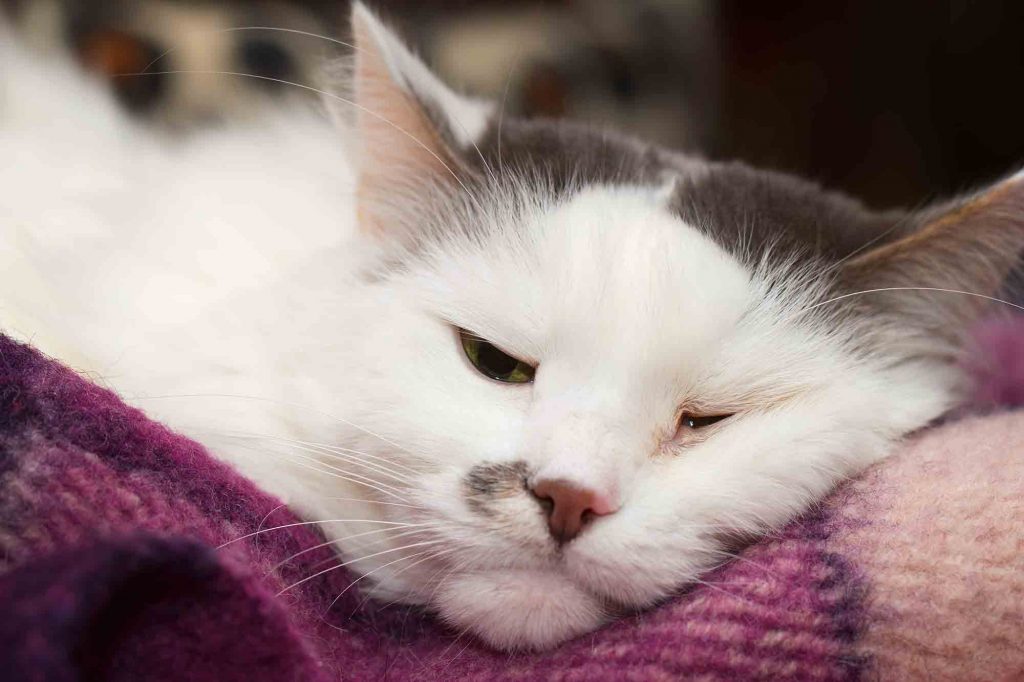
Healthy adult cats sleep between 12 and 16 hours a day on average. Some cats may even sleep up to 18 hours. This is completely normal for most felines. Their sleep patterns differ significantly from those of humans.
Cats are crepuscular animals, meaning they are most active at dawn and dusk. This is when their natural hunting instincts are strongest. The rest of the day is often spent resting or sleeping. Energy conservation is key to survival behavior.
Kittens and seniors take catnapping to the next level. Young kittens may snooze up to 20 hours a day—they need all that rest to fuel their fast-growing bodies! Older cats also spend more time in downtime, letting their lower energy levels guide them to cozy spots for a peaceful nap. Age shapes every stage of a cat’s sleep routine.
Many owners ask questions like, ” Is it normal for cats to sleep all day because the behavior seems extreme, but studies show that long sleep cycles are part of a cat’s natural biology and help maintain their physical and mental health over time.
Even indoor cats keep up their instinctive routines. Though they don’t need to hunt, they still lounge and doze, storing up their energy in style. Sleeping isn’t laziness—it’s simply the natural rhythm of being a cat!
Why Cats Sleep So Many Hours
Cats sleep extensively due to their evolutionary roots. In the wild, hunting demands quick bursts of energy. After these periods, prolonged rest is required. This cycle repeats throughout the day.
Their bodies are built for brief, powerful movements. Unlike humans, cats don’t require constant activity. Instead, they reserve energy for when it’s essential. This is why naps are frequent.
Meal times influence snooze times, too. Cats thrive on protein-rich diets, which power their play and help them recover after fun and feasting. No wonder so many cats slip into a dreamy doze right after dinner—it’s all part of their biology!
Environmental conditions also play a role. A calm and secure home promotes longer sleep. Cats relax when undisturbed. Comfort fosters more rest.
Temperature also shapes sleep routines. Warm spaces make cats drowsy and more inclined to nap. Chilly weather can increase rest. Comfort is a major behavioral driver.
When Sleeping Too Much May Be a Problem
Although extended sleep is normal, abrupt changes can indicate problems. If a cat sleeps far more than usual, it could signal trouble. Shifts in behavior often serve as early warnings. Owners should take note.
Reduced activity, loss of appetite, or unusual hiding may accompany oversleeping. These behaviors could indicate illness or stress. Veterinary attention may be advisable. Prompt action prevents complications.
Some medical conditions can lengthen sleep duration. Infections, pain, or metabolic disorders can leave cats lethargic. Older cats may also rest more due to arthritis or age-related changes. Health directly affects energy.
Stress can also alter sleep behavior. Moving homes, acquiring new pets, or living in a loud environment may affect sleep patterns. Cats may sleep more to avoid stress. Or they may sleep poorly and appear tired.
Here are warning signs to watch for:
– Sudden increase in sleep time
– Loss of appetite
– Reduced interest in play
– Hiding or withdrawal
Differences Between Normal and Excessive Sleep
Normal sleep is predictable and follows a routine. Cats wake for meals, play, and interaction. Their behavior stays steady. Routine is a key health indicator.
Excessive sleep is different. The cat may ignore food or toys. It may seem weak or uninterested in its surroundings. This change is noticeable over time.
Energy level helps distinguish normal from abnormal sleep. Healthy cats may sleep for hours but still show lively bursts of energy. Unwell cats often remain sluggish all day. Recognizing this contrast is crucial.
Watch over a few days. Short-term tiredness is usually harmless. Only long-term changes need a vet. Consistency matters more than a single day.
How to Support Healthy Sleep in Cats
Providing a secure, cozy space lets cats sleep peacefully. Soft beds and quiet nooks support restful sleep. Cats thrive in places they trust. Comfort alleviates stress.
Consistent playtime enhances sleep quality. Vigorous play helps cats burn energy in a positive way. Afterward, they rest more soundly. Balance remains essential.
Feeding routines influence sleep patterns. Steady meal times guide habit. Cats build their sleep around feeding. Routine provides stability. Enrich your cat’s world with climbing spots, toys, and scratching posts! A playful, stimulating environment keeps them curious and content, curbing boredom and ensuring their sleeping patterns stay in harmony with their happiness.atterns.
It is completely normal for cats to sleep for many hours each day because their bodies are designed for rest and energy conservation. Understanding their natural rhythm helps owners recognize when sleep is healthy and when it may signal a problem.