
I run a mobile pet grooming van that travels through residential neighborhoods in Florida, and over the years, I’ve also advised clients on indoor pet safety issues unrelated to grooming. One question that keeps coming back is whether common houseplants like ficus are dangerous for cats.
I’ve seen enough homes with both cats and indoor plants to notice patterns that matter more than theory. The concern usually comes up after a cat starts chewing on leaves or acting a little off around new greenery.
What I’ve Seen in Homes With Ficus and Cats
I first noticed the ficus issue while visiting clients for routine grooming sessions in small apartments where space is tight, and plants are part of the decor. A customer last spring had a tall ficus placed right beside a window perch where her cat spent most of the day watching birds. The cat never looked sick, but it kept nibbling leaves during idle moments, almost as if it were testing textures more than eating for hunger.
Generally, exposure to ficus leads to mild irritation in cats that chew leaves or sap. One client’s cat occasionally drooled after pawing at ficus leaves, prompting the owner to seek advice.
The pattern I see is consistent mild sensitivity that depends on how much the cat interacts with the plant. Some cats ignore ficus entirely, while others chew on it when understimulated indoors. The difference often comes down to environment, not just the plant itself.
How Ficus Exposure Usually Happens in Real Homes
Most ficus exposure I see does not come from intentional eating but from curiosity during downtime in the home. Cats tend to explore plants near windows, feeding stations, or furniture they already use daily. In one apartment I visited for a grooming appointment, the ficus was placed right next to a cat tree, which made interaction almost unavoidable.
One of my clients asked me to help her understand plant safety after her cat kept batting at leaves and occasionally chewing them during the night when the house was quiet. I explained what I had seen in similar homes and suggested she speak with a veterinarian if the symptoms persisted, but I also recommended removing direct access to the plant for observation. For pet owners wanting structured guidance on household pet risks, I’ve pointed them toward a ficus toxic to cats because having a clear reference helps reduce confusion when different sources say different things. The key thing I’ve learned is that environmental control is often more useful than guessing severity from plant names alone.
New plants or moved furniture can change a cat’s behavior. I’ve seen cats interact with ficus leaves primarily after such environmental changes.
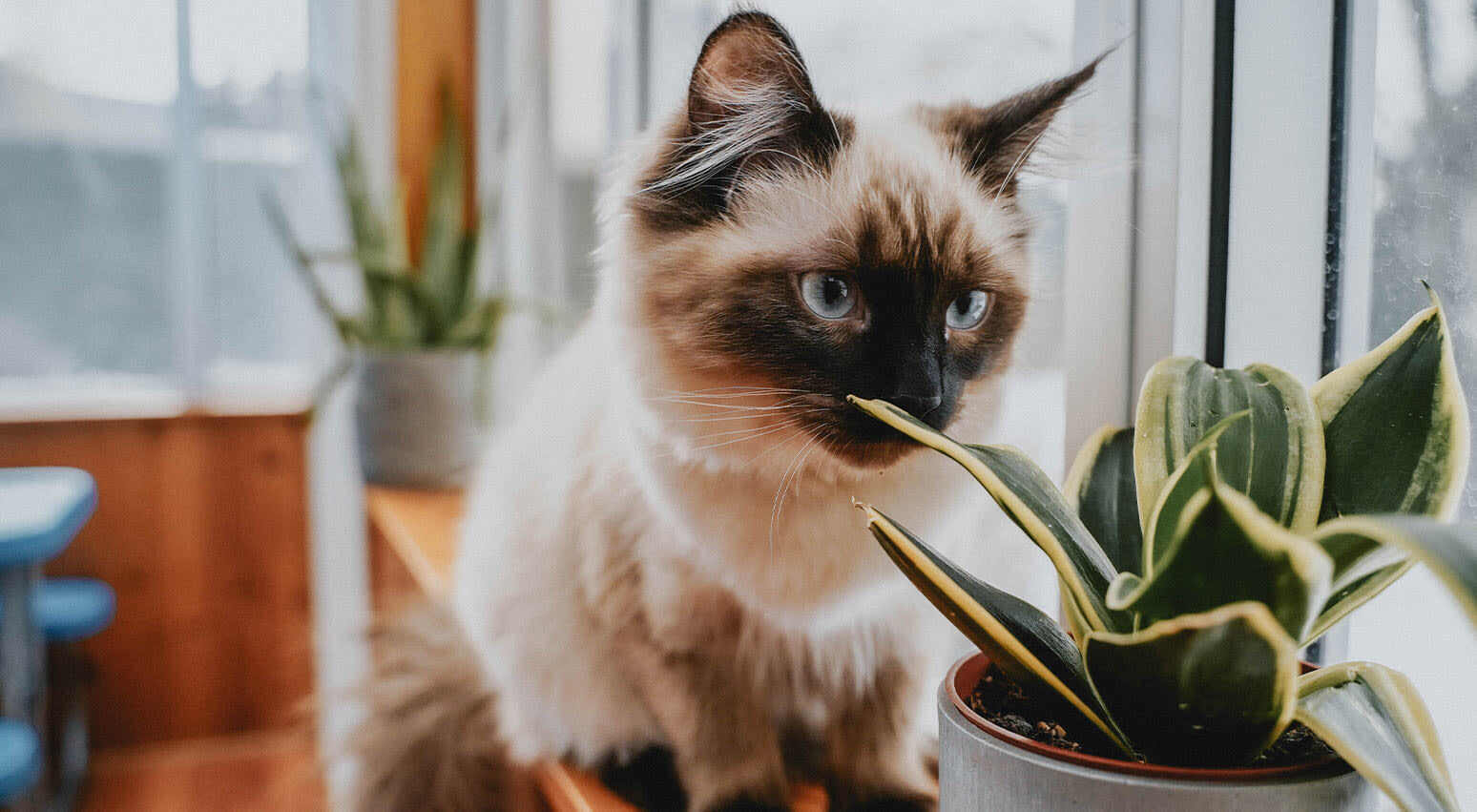
What I Tell Cat Owners After Repeated Exposure Cases
When I talk to cat owners, I keep my advice grounded in observation rather than fear. Ficus plants are widely reported to be mildly toxic to cats due to compounds in their sap, but the severity in real homes often depends on how much chewing actually occurs. I’ve seen cats brush against leaves with zero reaction, and others develop light stomach upset after repeated nibbling over several days.
The most practical step I recommend is to manage access rather than assume every cat will react the same way. That can mean moving the plant higher, changing its location, or simply observing the cat’s behavior closely for a short period after exposure. One customer last summer kept her ficus on a low stand near the couch, and once she moved it to a higher shelf, her cat stopped interacting with it altogether.
Bored or newly introduced cats are most likely to test ficus plants. This is common in multi-cat homes where curiosity is higher. The combination of curiosity and access to plants increases risk.
Practical Steps I Suggest After Seeing These Patterns
Over time, I’ve built a simple approach for advising cat owners about ficus plants. I don’t overcomplicate because most issues resolve with small adjustments. If a cat shows no interest, basic monitoring usually suffices.
For cats that interact with ficus leaves, I suggest watching for early signs such as mild drooling, occasional vomiting, or unusual chewing behavior that persists over time. These signs are not always severe, but they do indicate the plant is not being ignored. I’ve had clients resolve the issue simply by relocating the plant to a room the cat rarely enters.
Some owners choose to remove the ficus entirely, especially with kittens or very curious cats. This usually happens after repeated small incidents, and households often feel more relaxed once monitoring is no longer necessary.
From everything I’ve observed in the field, ficus plants sit in that middle zone where risk is real but highly situational. The plant does not automatically cause problems, but it does require awareness if a cat is actively engaging with it. Most owners find a balance once they adjust placement and pay attention to early behavioral signs rather than waiting for a bigger issue.