
I run a mobile grooming van, and over the years, I’ve spent a lot of time around cats right after they come home from spaying surgery. I don’t handle the medical side, but I’m often called in during the recovery period because owners feel unsure about what is normal. I’ve seen everything from very quiet cats that hide for days to others that act almost as if nothing happened. The patterns are more predictable than people expect, even though each cat still has its own personality.
The first day after surgery
The first 24 hours after a spay are usually when behavior changes most noticeably. Most cats are groggy, slower, and less interested in their surroundings than usual. I’ve had customers tell me their cat walked out of the carrier at home and immediately lay down in a corner for hours. That kind of low energy is very common and usually comes from the anesthesia still wearing off.
Cats in this stage often avoid jumping, running, or even turning their head quickly. I remember a customer last spring whose young tabby just sat under the kitchen chair, staring at the wall for most of the evening. The owner thought something was wrong, but it was just the normal recovery haze. Appetite can also drop during this time, and some cats refuse food until the next day.
Some cats act slightly confused, almost as if they are unsure of their bodies. They may stumble a little or walk in short bursts before lying down again. I usually tell people that this short window looks worse than it is, because the body is still processing anesthesia and pain medication. Quiet rest is the most common pattern I see.
Some cats surprise owners by acting more alert than expected, trying to explore too soon. These cats need extra supervision since overactivity can slow healing. Keep things calm and avoid sudden movement.
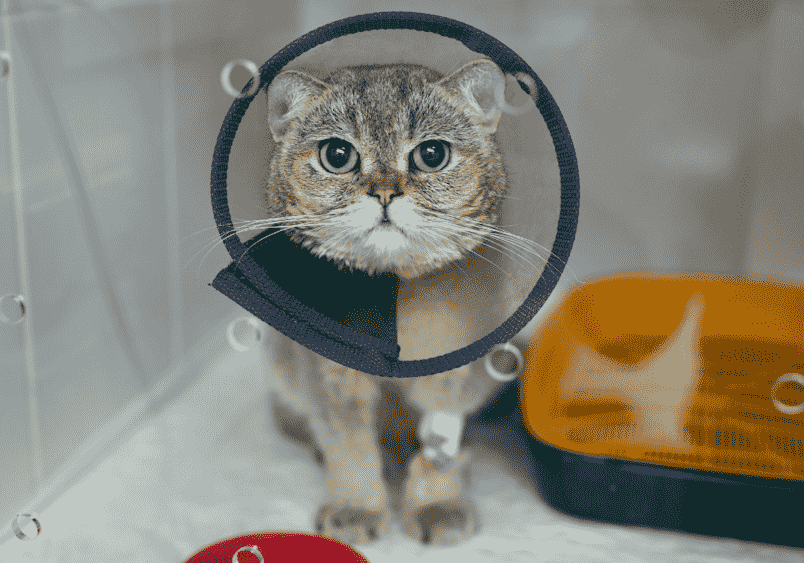
Behavior during early recovery
In the next few days, cats regain energy but still behave differently. Some cling to owners; others isolate themselves. At this stage, people second-guess subtle but ongoing changes.
In my grooming van work, I once had a client ask me to check on her cat during recovery because she thought it was acting “off.” The cat was simply sleeping more than usual and avoiding jumping onto high surfaces. I explained that this was actually a good sign of healing rather than a problem. I also pointed her toward how cats act after being spayed so she could compare normal recovery behavior with warning signs in a structured way. The key thing I noticed in that home was how the cat slowly started moving around more each day without sudden bursts of activity. That gradual improvement is usually what I look for during early recovery visits.
During this stage, cats may groom near the incision more than usual. Light licking is common, but constant attention can mean irritation. Appetite returns, though some cats eat less at first. Some eat in short sessions instead of full meals.
A notable change in many homes is social behavior. Some cats become unusually affectionate, following their owners everywhere; others prefer more independence. Both are normal as long as physical recovery continues.
Long-term behavior changes after spaying
Once a cat fully recovers from surgery, most return to their normal personalities, but owners often notice some behavioral shifts over time. I’ve seen a reduction in roaming behavior in outdoor cats, and indoor cats sometimes become less restless overall. The hormonal drive that used to push certain behaviors is no longer present, and that can change daily habits in subtle ways.
Energy levels can become slightly more stable in some cats. They still play and explore, but the intense bursts linked to hormonal cycles are gone. I’ve had customers with multi-cat households tell me that tension between cats decreased after spaying, though that varies depending on the environment. Not every case changes dramatically, but small improvements in calm behavior are fairly common.
One cat I groomed regularly for years showed a clear personality shift after surgery. Before spaying, she was very reactive to outside noise and would pace near windows for long periods. After recovery, she still watched the outside world, but didn’t fixate on it as much. The owner noticed she slept more deeply during the day.
Some cats show no obvious behavioral changes and return to baseline personalities. That’s also normal, especially in already calm or indoor-focused cats. Responses to spaying vary by age, environment, and temperament.
I remind owners that recovery and long-term behavior are separate. The first days are for healing; the following weeks are about hormonal adjustment. Most cats settle into routines on their own. Quiet observation is better than constant intervention.