
I run a small mobile dog grooming van and spend a lot of time working in clients’ homes, which means I end up walking into all kinds of setups where diffusers are running in the background. Over the years, I have seen dogs react calmly in some spaces and become restless or sneezy in others, which pushed me to pay closer attention to which oils people were actually using. The topic of diffuser oils and dogs is not as simple as people assume, especially when scent is involved in a closed room.
How Dogs React to Diffused Oils
Dogs process smell differently than we do. A scent that seems light to me can overwhelm a dog quickly. For example, I groomed a golden retriever who avoided the living room, which we later traced to a peppermint diffuser used daily there.
Some reactions are subtle at first. A dog might leave the room, start blinking more, or simply settle in a corner where the air feels clearer. I have seen this pattern in about a dozen homes over the last year alone, and in most cases, the owners had no idea the diffuser was affecting behavior. The connection is not always obvious until you turn the diffuser off and see the dog relax.
There’s a debate about whether low-level diffusion is harmless. Some oils may not cause visible reactions every time, but repeated daily exposure over weeks can still lead to discomfort.
Safer Oils People Commonly Use Around Dogs
Many homes I visit use light scents like lavender or chamomile, which are often considered lower risk when used sparingly. Still, even those may not be safe for every dog. Concentration and ventilation matter as much as the oil itself.
While discussing setups with a pet wellness consultant I once met during a grooming route, I was pointed toward a resource that breaks down safe usage patterns for homes with animals, and I later shared it with a few clients who were trying to adjust their routines: which diffuser oils are safe for dogs. The conversation was not about banning diffusers altogether but about reducing intensity and giving dogs space to move away from the scent. That small adjustment made a noticeable difference in how calm some dogs became during grooming sessions.
I have also noticed that dilution matters more than most people expect. A heavily concentrated oil running for hours in a closed room behaves very differently from a short burst in a ventilated space. One client last spring reduced diffuser runtime from most of the day to about thirty minutes in the evening, and her two spaniels stopped avoiding the hallway almost immediately.
Even with mild oils, I watch for each dog’s reaction. One dog might ignore a scent while another is sensitive, so I treat all oils with caution.
Oils I Avoid Around Dogs and Why
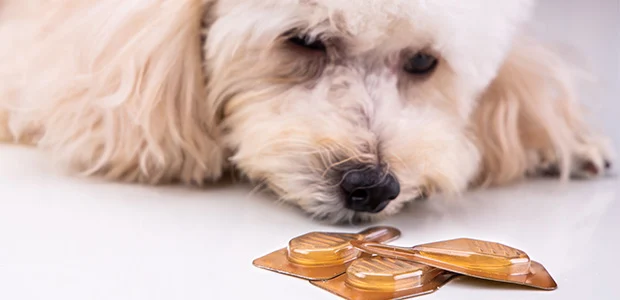
Some oils repeatedly cause issues in homes: tea tree has triggered drooling or restlessness, while eucalyptus and citrus blends can be too strong in small or poorly ventilated rooms.
I worked in a home with a strong eucalyptus diffuser by the entryway. Their terrier refused to pass that area. After a few conversations, they linked the problem to the scent. Once they stopped using it indoors, the dog’s movement returned to normal within days.
Clove and cinnamon-based oils are another category I avoid around dogs. Their intensity can trigger discomfort even after short exposure. I’ve entered homes where lingering scent left dogs unsettled hours later.
There is also the issue of accidental overuse. I have seen diffusers placed in small bedrooms or closed offices where airflow is minimal, and in those settings, even a mild oil becomes concentrated over time. That is where problems tend to show up more clearly.
What I Tell Clients About Safe Diffuser Use
My key recommendations: reduce the intensity of diffuser use, shorten diffusion times, improve ventilation, and avoid placing the diffuser near the dog’s main resting area. Small changes like raising the diffuser out of the dog’s reach often yield noticeable results and improve comfort. I also suggest watching behavior closely for a few days after introducing any new oil. Dogs rarely fake discomfort, and their reactions tend to be more honest than ours. One client noticed her lab consistently left the room within minutes of turning on a new blend, which was enough to stop using it entirely.
Another thing I remind people is that dogs do not need scented environments. They respond more to air quality, routine, and comfort than to fragrance. I have worked in scent-free homes where dogs seemed more relaxed overall than in heavily scented ones, especially during grooming sessions that already involve stress.
My practical summary: Use light oils sparingly, diffuse for short sessions, ensure plenty of airflow, and always watch for changes in your dog’s behavior. Treat every change as important feedback. Most issues I see develop gradually, so early attention makes a difference.