
I work as a mobile cat groomer, traveling to small towns and housing colonies where pet owners often struggle with basic hygiene. One of the most common requests I get is about cleaning a cat’s paws without causing panic or scratches. Over the years, I have handled hundreds of cats in cramped bathrooms, quiet living rooms, and even outdoor courtyards where owners felt more comfortable. Most of the time, the problem is not the dirt itself but how it is cleaned.
Understanding the Paw Situation
Before touching a cat’s paws, I spend a minute observing the cat in its own space. Some cats tolerate handling, while others pull back, even with slow movements. Rushing this step makes things harder, especially with cats that dislike being picked up. Calm energy matters more than tools.
One customer last spring had a cat that hid under the bed at any mention of water. We started with short sessions, just touching the paws. Cats resist this at first, but over time, they come to tolerate more handling without stress.
For setup, I usually prefer a quiet corner with a towel laid out and lukewarm water ready in a small bowl. I keep everything within arm’s reach so I don’t have to move away once the cat is settled. In one session, I even used a kitchen sink because the cat felt safer there. The environment plays a bigger role than people expect.
If you are looking for professional help or gear designed for gentle handling, I have seen good results when owners rely on a mobile pet grooming service that brings the setup directly to the home. That reduces travel stress for the cat and maintains a consistent cleaning process. I have used similar setups during my own visits when owners have asked for guidance. It usually saves time and avoids unnecessary struggle.
Cleaning Mud, Litter, and Daily Dirt
Most paw cleaning jobs I handle involve simple dirt, like litter dust or wet soil from balcony walks. I always start by gently holding the paw between my fingers, without squeezing, just enough to extend it naturally. Warm water and a soft cloth are usually enough for fresh dirt, and I avoid soap unless the paw is heavily soiled. Too much product can irritate sensitive skin.
I remember a cat from a bakery owner who tracked flour and sugar dust across the house. The paws looked messy but cleaned up easily with damp wipes and a bit of patience. Small messes like this are easier than they look. Consistency helps more than pressure or force.
Drying is often overlooked. I gently press a towel around each paw instead of rubbing. Some cats tolerate this; others pull away. I never chase the paw and wait to try again calmly.
After a few paws, I pause so the cat can reset. Short breaks reduce anxiety and smooth the process. They also build trust, especially for cats unused to regular handling.
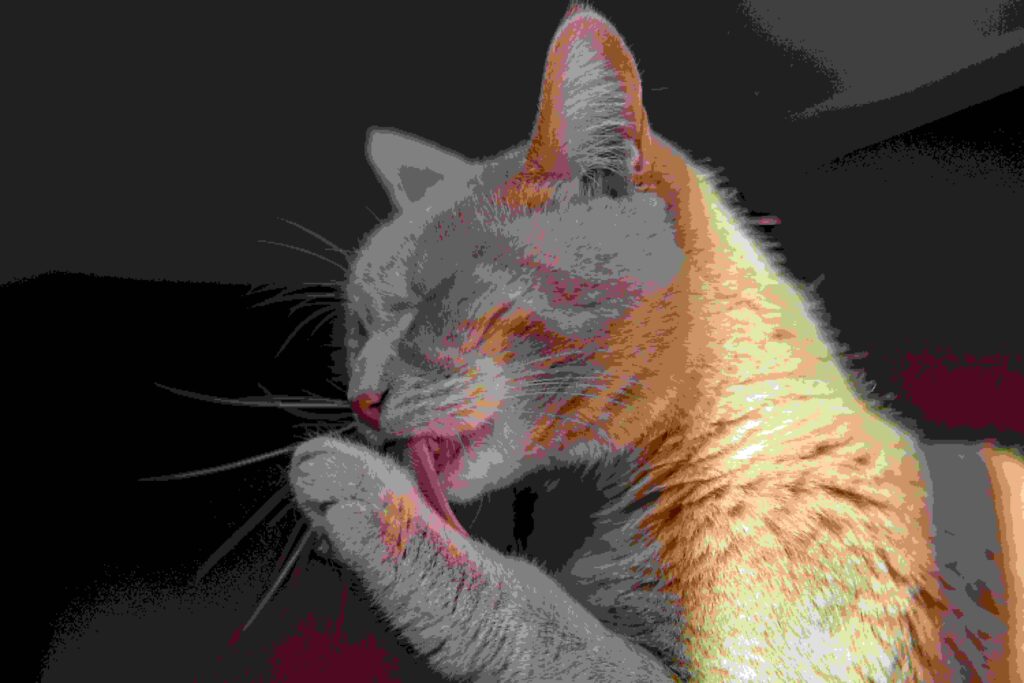
Handling Sticky or Stubborn Dirt
Sometimes paws have tar-like residues, dried mud, or sticky food between the pads. These require a slower approach, as force makes the cat uncomfortable. I always loosen debris gradually, never pulling quickly.
A street-adopted cat once had hardened mud around its claws after heavy rain. It took several short sessions to clean everything properly without stress. Patience mattered more than speed; rushing would have made the cat defensive.
I usually soften stubborn dirt with a damp cloth for a minute before attempting to remove it. If needed, I gently massage the paw pads to help the residue loosen naturally. Sharp pulling is something I avoid completely because it can hurt small skin areas between the toes.
After the dirt starts breaking down, I finish with a clean cloth and check each paw individually. This step helps ensure nothing is left behind that could later irritate the cat. Even small residues can cause discomfort during walking.
Building a Routine That Works
Cats respond better when paw cleaning is routine rather than rare. Once a week is enough for indoor cats unless they are visibly dirty; outdoor cats may need more frequent checks. Routine reduces resistance over time.
There was a household where I visited every two weeks for grooming support, and after a month, the cat stopped hiding when I arrived. The owner told me the cat even started waiting near the doorway. That kind of change only comes from repetition and calm handling. Trust builds slowly, but once formed, it stays strong.
I also advise owners to gently touch their cat’s paws during relaxed moments, not only during cleaning. That way, the cat does not associate paw handling with stress or sudden activity. Short, casual touches during playtime help more than long, irregular cleaning sessions.
Consistency isn’t about strict schedules; it’s about making the experience predictable so the cat isn’t surprised. Simple habits like wiping paws after walks make later cleaning easier.
In my daily work, I have learned that cleaning a cat’s paws is less about technique than about timing, patience, and reading the animal’s subtle signals. Pens: the task becomes part of normal care rather than a struggle.