
As a mobile cat groomer, I frequently help owners concerned about their cats’ hairballs. The main question is whether hairballs pose any real danger or are just another aspect of keeping long-haired cats. My experience shows these worries are common, but understanding their cause is essential.
What Hairballs Actually Are in Everyday Cats
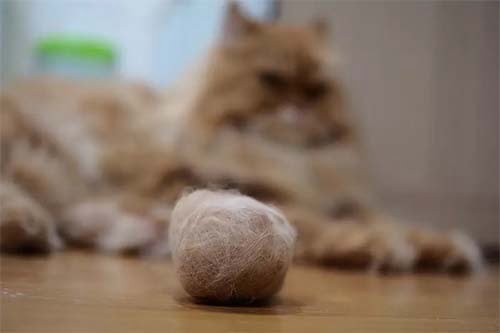
Most cats groom often, especially indoor ones. Swallowed loose fur usually passes through the digestive tract. Hairballs form when fur collects in the stomach instead, especially during heavy shedding seasons. I’ve brushed out large amounts of fur in a single session.
From what I’ve seen in the field, hairballs are more common in cats with longer coats or those that groom excessively due to boredom or stress. A customer last spring had a Persian cat that coughed up hairballs almost every week until we adjusted the grooming routine. The owner initially thought something serious was wrong, but it turned out to be a mix of shedding and inconsistent brushing. That situation is very typical of what I run into during house calls.
Hairballs often reflect a cat’s grooming habits and coat type, not disease. Consistent observation, especially of sudden or unusual patterns, is what really matters for owners. Regular episodes may signal deeper issues, so I always stress the importance of watching for changes.
Are Hairballs Bad for Cats in Real Situations
In my experience, hairballs are usually harmless when they happen occasionally, but they can become a problem if they occur too often or if the cat struggles to pass them. I’ve seen cats strain so hard that owners thought it was vomiting or even choking, which understandably creates panic. The real concern is not the hairball itself but what it might indicate about digestion or grooming habits. A professional check from a local vet can help rule out underlying issues, and I often suggest visiting a veterinary clinic when symptoms become repetitive or severe.
Rarely, hairballs block the digestive tract. I saw one cat stop eating until it finally passed a hairball after treatment. Most hairballs don’t escalate if watched early.
What I usually explain to owners is that frequency and behavior matter more than hairballs alone. If a cat is still eating, active, and behaving normally, occasional hairballs are generally not a red flag. If vomiting increases or appetite drops, that is where concern grows. Experience has taught me to trust changes in behavior more than isolated incidents.
Warning Signs I Watch for During Grooming Visits
I look for signs like repeated retching with no result or a dull coat with heavy grooming. These often appear before owners notice issues.
I also pay attention to litter box behavior, even though I am not a veterinarian. If a cat is straining or not producing normal waste, that can sometimes align with digestive issues tied to hair accumulation. A few owners have told me they dismissed early signs because their cat still seemed playful, only to later discover that something was building up internally. Cats are good at hiding discomfort, which makes observation important.
Cats that stop grooming may have more than just hairball troubles. In serious cases, I recommend a proper vet check right away.
How I Help Owners Reduce Hairballs at Home
Most of my work focuses on prevention because it is far easier than dealing with repeated hairball issues. Regular brushing is the first thing I recommend, even for short-haired cats, because it reduces the amount of loose fur they swallow. I usually recommend a brushing routine of at least three times a week for long-haired breeds. This alone can significantly reduce hairball frequency.
Diet also plays a role, and I have seen noticeable improvements when owners switch to fiber-balanced cat food designed to support digestion. I am not saying food fixes everything, but it helps the hair move through the system more smoothly. Water intake matters too, and I often suggest adding wet food if a cat primarily eats dry kibble. Small changes can shift the pattern over time.
Controlled grooming, especially before shedding peaks, reduces hairballs. For example, regular grooming halved the incidents in two Maine Coons after a few weeks.
Stress makes cats groom more and swallow more hair. Calmer routines and enrichment decrease obsessive grooming and hairball formation.
I often remind people that hairballs are part of living with cats, but they are not something to ignore completely. Watching patterns, adjusting care routines, and responding early when behavior changes are most effective. Most cats manage just fine with a bit of attention from their owners and occasional professional grooming support.