
As a mobile dog groomer, I often get asked if hydrogen peroxide is a quick fix for dirty or irritated ears. While it may seem convenient and effective, I’ve seen firsthand how misuse can complicate issues rather than solve them. The answer isn’t simple—and it comes with important cautions.
Why People Reach for Hydrogen Peroxide
Most of the owners I meet are trying to solve a problem quickly. They notice a bit of wax, maybe a mild smell, and grab whatever antiseptic they already have at home. Hydrogen peroxide seems harmless enough because it’s used on cuts and scrapes, so it feels like it should be fine for ears, too. I understand that thinking, especially when a dog starts scratching late at night, and nothing else is available.
The bubbling action gives the impression that dirt and bacteria are being lifted out, and sometimes it loosens debris. I’ve had a client tell me she used it once and saw brown liquid come out, which made her feel like she had cleaned something important. That reaction is part of why the habit sticks. But ears are not the same as skin, and they react differently.
What Actually Happens Inside the Ear
Inside a dog’s ear, the skin is thinner and more sensitive than people realize. Hydrogen peroxide doesn’t just clean; it can break down healthy tissue if used too often. I’ve seen dogs with red, irritated ear canals after repeated home treatments, sometimes making the issue worse. One spaniel I groomed needed weeks of vet-prescribed drops after their owner tried peroxide several times over the course of one week.
For owners seeking safer options, I recommend using ear cleaner solutions formulated specifically for dogs. These products are designed for canine skin and clean without stripping the ear’s natural barrier. Choosing these pet-specific cleaners is more effective and less risky than household products.
There’s also the issue of moisture. Hydrogen peroxide leaves the ear damp, and if that moisture sits in a folded ear or a narrow canal, it can create the perfect environment for yeast. I’ve cleaned ears that smelled like bread dough. That smell doesn’t come out easily.
When It Might Be Used Carefully
Hydrogen peroxide should only be used if a veterinarian specifically recommends it, usually diluted for one-time cleaning when stubborn debris is present. It should not be used routinely at home without professional advice. Always consult your vet before using any solution in your dog’s ears.
Last summer, an owner used a 3 percent solution straight from the bottle on her large mixed-breed dog. The dog shook his head forcefully, only to end up more irritated than before. This reaction isn’t rare.
Even when used once, some dogs simply don’t tolerate it well. Ears are very sensitive. A mild sting for a human can feel sharper to a dog, especially if the ear is already inflamed.
What I Use Instead in My Routine
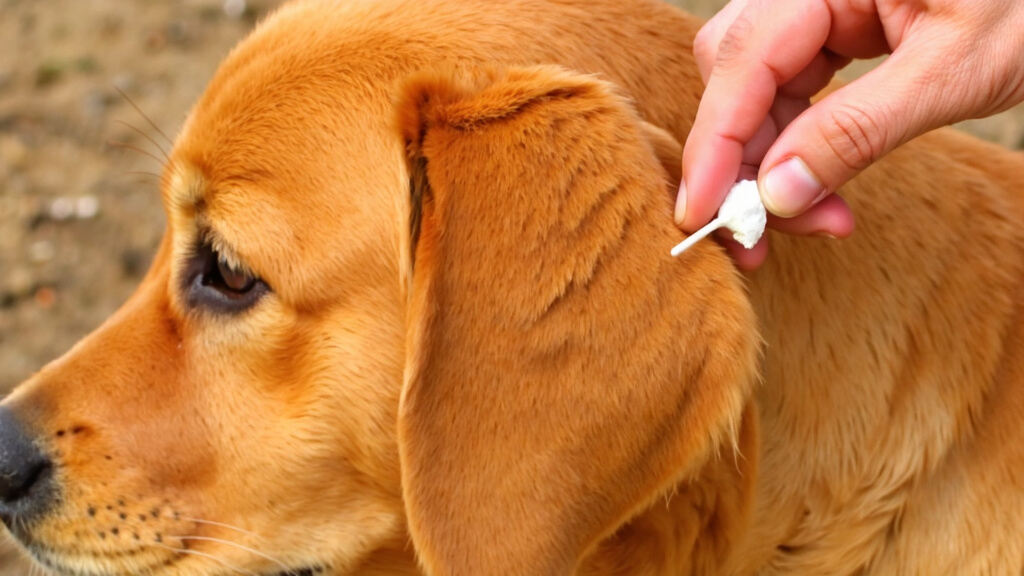
In my van, I stick to ear cleaners made for dogs and use them to keep things under control. I apply a small amount, massage the base of the ear for about 20 seconds, then let the dog shake. After that, I wipe only what I can see. I never go digging deep. That alone prevents many problems.
For regular maintenance, most dogs only need their ears cleaned every two to four weeks. Some need it weekly, especially breeds with floppy ears or those that swim often. Others barely need it at all. It depends on the dog, not a fixed rule.
If I see thick discharge, a strong odor, or pain when touching the ear, I stop cleaning immediately and refer the owner to a veterinarian. No over-the-counter cleaner or home remedy treats ear infections. Acting quickly with professional help prevents further harm.
Common Mistakes I See Owners Make
A few patterns keep appearing. Overcleaning is one of them. People think more cleaning equals healthier ears, but stripping natural oils can lead to dryness and irritation. That irritation often leads to more scratching, bringing them right back to square one.
Another mistake is using cotton swabs deep in the ear canal. I’ve had to explain this dozens of times. It pushes debris further in. It can also cause injury if the dog moves suddenly, which they often do.
The last one is ignoring early signs. A faint smell, light redness, or a bit of head shaking is easy to brush off. But those small signs can turn into a full infection within a week or two, especially in warm weather. Acting early with the right product matters more than trying to fix a bigger problem later.
When asked about hydrogen peroxide, I explain that I avoid it unless a veterinarian specifically recommends it. Most dogs benefit from gentle, pet-formulated care. Using the right products keeps ears healthy and reduces stress for both dogs and owners.