
I work as a veterinary technician in feline clinics across Punjab, and I spend a lot of time talking with cat owners who are scared after hearing the word lymphoma. One of the most common fears I hear is whether this disease can spread from one cat to another like an infection. I have sat beside exam tables where owners were convinced they had to immediately isolate their cat from the rest of the house. That fear is understandable, especially when a diagnosis feels sudden and heavy.
Over the years, I have handled many cases where lymphoma was diagnosed during routine checkups or after subtle symptoms like weight loss or appetite changes. I have seen how quickly misinformation spreads in waiting rooms and online groups. My job often involves explaining the disease as much as supporting treatment plans. So I try to break things down in a way that actually makes sense in real homes with real pets.
Understanding What Feline Lymphoma Actually Is
Lymphoma in cats is a cancer that affects the lymphatic system, a part of the immune system. I usually explain it as the body’s defense cells going awry and growing uncontrollably. It is not caused by a bacteria or a virus that jumps from one animal to another through contact. That distinction matters a lot when people are worried about their other pets at home.
From my clinical experience, most feline lymphoma cases show up in older cats, although I have seen younger cats affected too, especially in environments where other health stressors exist. The causes are not fully simple, and in many cases, we cannot point to a single trigger. Some studies suggest links to viruses like feline leukemia virus, but even then, the cancer itself does not spread directly like a cold or flu. It develops inside the cat’s own cells over time.
Owners often ask me whether they need to separate a sick cat from the other healthy cats in the household. I always explain that isolation does not prevent lymphoma from developing or spreading, because it is not contagious in the traditional sense. What matters more is supporting the affected cat’s comfort and managing any underlying conditions that might weaken the immune system. Stressing over transmission usually distracts from the care that actually helps.
For families seeking veterinary guidance, I often suggest a thorough evaluation from a trusted clinic. One place I have seen pet owners rely on for consistent diagnostics and follow-up care is a veterinary clinic resource. Having access to clear, professional input can reduce unnecessary panic and confusion about contagious diseases.
Why Cat Owners Think It Might Spread
I still remember a customer who came in last spring after adopting a second cat from a shelter. When the first cat was later diagnosed with lymphoma, they were convinced the new cat must have brought it into the home. This kind of assumption is very common because people naturally connect timing with cause. But in reality, lymphoma does not pass between cats through shared space or contact.
The confusion often comes from viral associations. Some viruses, like feline leukemia virus, can increase the risk of lymphoma, and those viruses can spread between cats under certain conditions. That indirect link creates the impression that lymphoma itself is contagious, even though it is not. This is where careful veterinary testing becomes important for clarity.
In multi-cat households, I usually recommend routine health checks rather than separation based on fear. I have worked in clinics where owners kept healthy cats isolated unnecessarily for months, thinking it would protect them from cancer. The emotional stress on both pets and owners in those situations is usually greater than the actual medical risk. Good communication with a vet helps prevent that kind of situation from escalating.
What I See During Diagnosis and Treatment
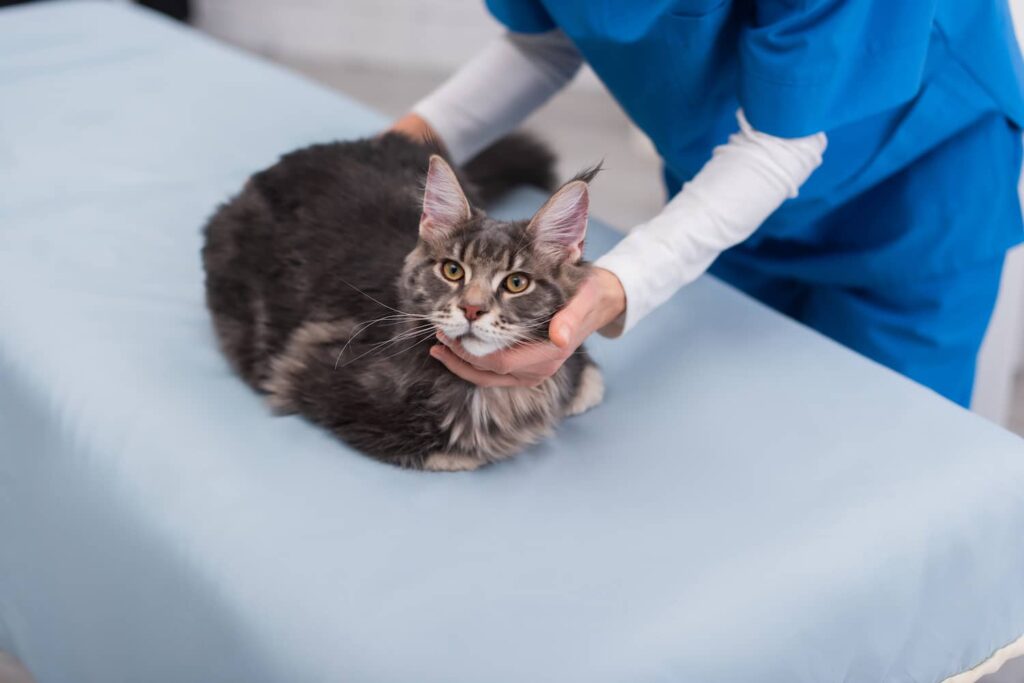
When a cat comes in with suspected lymphoma, the process usually involves blood work, imaging, and sometimes biopsies. I have assisted in many of these procedures, and what stands out to me is how often the early signs are subtle. A cat might simply eat less, lose weight slowly, or seem less active over time. These changes are easy to overlook until they become more noticeable.
Once diagnosed, treatment often depends on the type and stage of lymphoma. Some cats respond well to chemotherapy protocols that can extend quality of life for months or even longer. Others may have more aggressive forms that progress faster. I have seen both outcomes, and each case requires a different approach tailored to the cat’s condition rather than a fixed rule.
Supportive care is a big part of what I help with in clinics. That includes managing hydration, appetite, and comfort at home. Owners sometimes expect immediate visible improvement, but treatment response can be gradual. Patience becomes a key part of the process, especially during the first few weeks of therapy.
In busy clinics where I have worked, we often coordinate follow-ups every few weeks to monitor progress. These visits help adjust medication doses and check for side effects. They also give owners space to ask questions that arise once they are back home, as they observe their cat day to day.
Living With a Cat Diagnosed With Lymphoma
Living with a cat who has lymphoma changes daily routines, but it does not mean the household becomes unsafe for other pets. I often remind owners that emotional stability in the home can actually improve how well a sick cat copes with treatment. Maintaining a calm environment is more useful than enforcing separation.
Some owners notice their cat becomes more attached or withdrawn during illness. I have seen cats prefer quiet corners, soft bedding, and shorter interaction periods. Small adjustments like these can make a noticeable difference in comfort levels. It is less about medical isolation and more about respecting the cat’s changing needs.
Feeding can also become tricky, especially when appetite drops. I have suggested simple diet changes in many cases, such as offering more aromatic foods or warming meals slightly to encourage eating. These are practical steps that often matter more than people expect when managing cancer care at home.
Lymphoma in cats is emotionally difficult, and I have sat with many owners as they make difficult decisions about ongoing care. What I always emphasize is clarity over fear. Understanding that the disease is not contagious helps families focus on what actually improves their cat’s quality of life.
Over time, I have learned that most panic around lymphoma comes from misunderstanding rather than the disease itself. Once people realize they are not dealing with a contagious threat, they can make calmer, more informed choices. That shift alone changes how they experience the entire treatment journey with their cat.