
I run a small indoor plant shop and do in-home plant consultations for pet owners, so I get this question more often than you might expect. I’ve walked into apartments where a curious cat has already taken a bite out of a majesty palm, and the owner is panicking. I’ve also had customers who avoid entire plant families out of fear. Over the years, I’ve learned that not every concern is equal, and majesty palms sit in a very specific category that people often misunderstand.
What I Tell Clients About Majesty Palm Safety
Majesty palms are generally considered non-toxic to cats. That surprises many people, especially those who lump all houseplants into a single risky category. I remember a customer last spring who had three cats and a bright living room full of greenery, and she was convinced her palm was dangerous just because her cat kept chewing it. It wasn’t poisoning her cat, but it was still causing problems.
Non-toxic doesn’t mean harmless. That’s the part many people miss. Cats chew on leaves for all kinds of reasons, and the long fronds of a majesty palm are almost an invitation. If a cat eats enough of it, you can still end up with vomiting or mild stomach upset, which looks scary even if it isn’t life-threatening.
I’ve seen this play out in homes where the plant itself was fine, but the surrounding situation wasn’t well managed. A cat that’s bored or lacking stimulation will keep going back to the same plant. The result is usually a half-destroyed palm and an irritated cat. It’s messy but avoidable.
Why Cats Keep Chewing on It Anyway
There’s something about the texture of a majesty palm that draws cats in. The leaves are soft enough to bite but sturdy enough to resist breaking right away, which keeps the cat engaged. I’ve had more than one client tell me their cat ignores every other plant but fixates on this one. That pattern shows up a lot in smaller apartments where the plant becomes a kind of entertainment.
One client asked me for more detailed advice and ended up browsing pet-safe indoor plant guides before deciding what to keep and what to move out of reach. That kind of research helps, but it doesn’t replace observing your own cat’s behavior. Some cats will sniff and walk away, while others treat the plant like a snack bar. There’s no single rule that fits every home.
I’ve noticed younger cats tend to chew more. Older cats usually lose interest unless they’ve built the habit over time. In one home, a kitten turned a tall majesty palm into a climbing toy within a week. That situation had nothing to do with toxicity and everything to do with energy levels.
What Happens If Your Cat Eats It
If a cat nibbles a small amount, nothing serious usually happens. You might see a bit of drooling or a single episode of vomiting, and then it passes. I’ve been called into homes where owners were worried after seeing leaf pieces in the litter box. That’s unpleasant, but it’s not dangerous on its own.
The issue comes with repeated chewing. A cat that keeps eating the plant can irritate its digestive system over time. I’ve seen cases where the cat vomited multiple times in a day, which understandably made the owner nervous. At that point, the focus shifts from toxicity to preventing the behavior.
There’s also the physical side. The leaves can be tough and fibrous. If a cat swallows larger pieces, it can lead to mild blockage or discomfort, especially in smaller cats. It doesn’t happen often, but I’ve seen enough close calls to take it seriously.
How I Handle This in Clients’ Homes
I rarely tell people to get rid of their majesty palm right away. Instead, I look at placement first. If the plant is sitting on the floor in a high-traffic area, it’s almost guaranteed to become a target. Moving it to a raised stand or a corner with less access often solves half the problem.
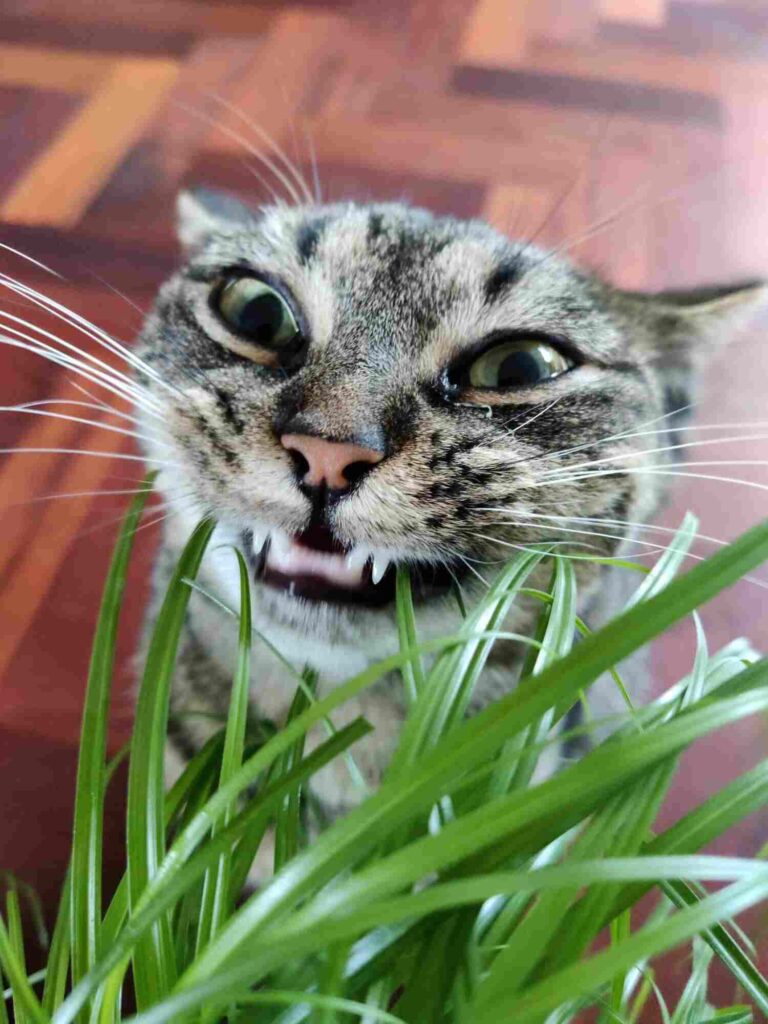
Distraction works better than punishment. I’ve suggested adding cat grass in a separate spot, and in many cases, the cat switches its attention within a few days. One client set up a small tray near a window, and her cat stopped touching the palm entirely. That change cost almost nothing and saved the plant.
There are also deterrent sprays, but I use them carefully. Some work, some don’t. Cats can be stubborn. In one home, the spray kept the cat away for exactly two days before it went right back to chewing the same fronds.
When You Should Still Be Careful
Even though the plant itself isn’t toxic, there are situations where caution matters. Fertilizers and pesticides can change the equation. If you’ve recently treated the soil or leaves, the residue can be harmful. I’ve walked into homes where the plant was safe, but its treatment wasn’t.
Dust and buildup can also play a role. A neglected plant can collect grime that irritates a cat’s mouth or stomach. I clean my display plants every couple of weeks for this reason alone. It’s a small habit that prevents bigger issues.
Then there’s the cat itself. Some cats have sensitive stomachs. Others will eat anything. I once saw a cat chew through plastic packaging, so a palm leaf was nothing to it. In those cases, even a non-toxic plant becomes part of a larger pattern that needs attention.
I don’t treat majesty palms as a danger, but I don’t ignore the risks either. If your cat shows repeated interest, it’s worth adjusting your setup instead of hoping the behavior stops on its own. A few small changes can make the difference between a peaceful space and a constant mess.