I run a small home-based dog boarding setup and have handled everything from picky eaters to emergency vet runs. One question that keeps coming up, usually after someone drops food off the table, is whether cooked onions are safe for dogs. I have seen the answer play out in real situations, and I do not take it lightly. Even a small mistake here can lead to bigger issues than most owners expect.
Why Onions Are a Problem Even When Cooked
I have had clients assume that cooking onions somehow makes them harmless, as it does with certain foods that lose toxins when heated. That is not how onions work. They contain compounds that damage a dog’s red blood cells, and heat does not remove that effect. I remember a dog that came in after eating leftovers with sautéed onions mixed into rice, and within a couple of days, the symptoms started showing.
The tricky part is that the damage is not always immediate. Dogs can seem fine for 24 to 72 hours before you notice weakness, pale gums, or a drop in energy that feels out of place. I have seen this delay confuse owners, especially when they connect the symptoms to something else. The link to onions gets missed until a vet asks the right questions.
It does not take a large serving. A few bites matter. Small dogs are at higher risk, but I have seen larger breeds react too after repeated exposure over a week or so. That slow buildup is where people get caught off guard.
What Happens After a Dog Eats Cooked Onions
The first signs are subtle. A dog might skip a meal or seem unusually quiet, which many people brush off as a bad day. Then things can escalate into vomiting, fast breathing, or a noticeable lack of stamina during walks. I once had a regular client who could normally run for 20 minutes straight, but after eating onions, he struggled to run for just 5.
If you are unsure what to do next, I sometimes suggest that owners read practical breakdowns like “Can dogs have onions?” because they lay out the risks in a way that is easier to connect to real-life situations. That said, no article can replace a call to a vet if symptoms appear. I always tell people to act early rather than wait for clear distress.
Blood damage is the real concern here. It can lead to a condition where the body cannot carry enough oxygen, which is why dogs become weak or lethargic. In more serious cases, I have seen dogs need IV fluids and close monitoring for a couple of days.
Common Situations Where This Happens
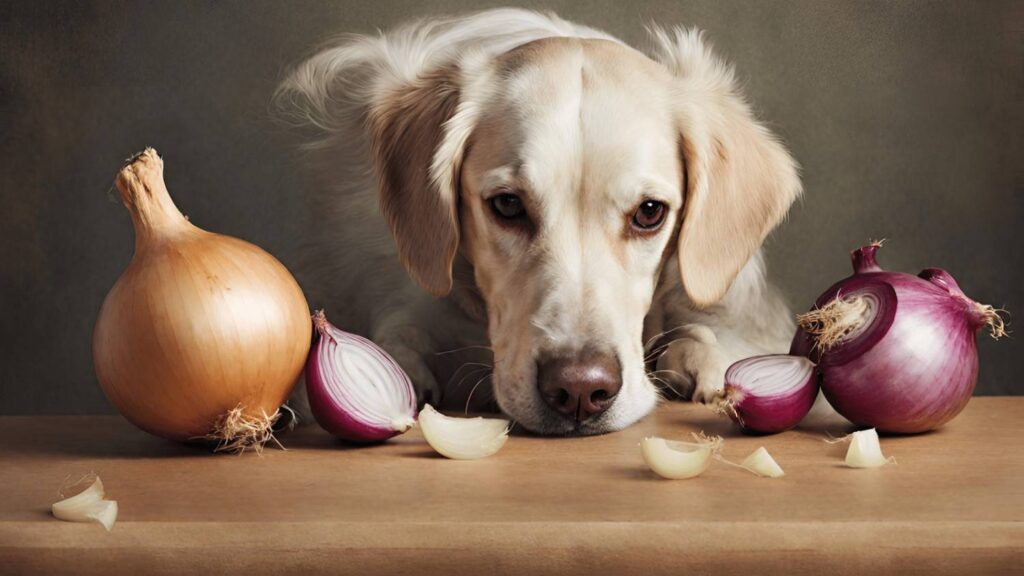
Most onion exposure does not come from someone feeding a dog raw onion slices. It comes from everyday meals. Think about biryani, curry, fried rice, or even leftovers scraped from a plate. Those dishes often contain onions cooked into the base, and people forget that even small amounts count.
One case that stuck with me involved a family that regularly gave their dog small portions of dinner. Nothing extreme. Just a few spoonfuls each night. Over time, the repeated exposure built up, and the dog developed symptoms that were not linked back to food until much later.
It also happens during gatherings. Guests drop food, kids share snacks, and nobody tracks exactly what the dog ate. I have learned to ask very direct questions when a dog comes in acting off. Sometimes the answer comes after a bit of thinking, like someone remembering a plate of leftovers from two nights earlier.
What I Tell Owners to Do Right Away
If a dog eats cooked onions, I do not suggest waiting around to see what happens. The safest move is to call a vet and explain the situation clearly, including how much was eaten and the dog’s size. I have seen mild cases pass without major issues, but I have also seen situations where early treatment made a huge difference.
There are a few steps I always mention based on experience:
Keep an eye on energy levels over the next two days. Watch for pale gums, which can be a warning sign. Do not give more table food, even if the dog seems fine. These are simple actions, but they help catch problems early.
Timing matters. Acting within the first 24 hours can change the outcome. After that, you are dealing with the effects rather than preventing them.
Why Some Dogs Seem Fine After Eating Them
I get asked this a lot. Someone will say their dog ate onions before, and nothing happened. That can be true. Not every exposure leads to obvious symptoms, especially if the amount was small or it was a one-time event. But that does not mean it is safe.
I have seen patterns where the first few exposures show no reaction, and then one day, the dog suddenly becomes ill after a similar amount. It is not always predictable. Breed, size, and overall health play a role, but there is no clear line where it becomes dangerous.
That unpredictability is what makes me cautious. I would rather eliminate the risk entirely than guess whether a dog will handle it well. It is not worth the gamble.
After seeing a handful of these cases over the years, I treat onions as a hard no, cooked or not. There are plenty of safe foods to share with dogs, and onions simply are not one of them. When someone asks me if a small amount is okay, I usually respond with a simple answer. It is not. That clarity avoids confusion later.