
I spend most of my days on the road as a utility meter reader, walking into yards where I am not always welcome. Over the years, I have had more close calls with dogs than I can count, and I learned quickly that trying to frighten them outright often makes things worse. What actually works is understanding how dogs react and using that to create space safely. I am not trying to scare dogs for fun. I am trying to avoid getting bitten.
Why Trying to Frighten a Dog Backfires
Early on, I made the mistake of yelling or waving my arms when a dog charged toward me. It felt instinctive at the time, but it usually escalated the situation. Dogs read body language faster than most people realize, and loud, erratic movements can prompt them to go on the defensive or become aggressive. I have seen a calm dog turn tense in under two seconds.
Dogs do not think about fear the same way humans do. A frightened dog may become more dangerous, not less. If it feels cornered, it will act to protect itself or its space. That reaction can come from a small terrier or a large guard dog. Size does not matter much in that moment.
In my experience, the goal is not to frighten the dog. The goal is to appear calm and controlled while setting a boundary. That shift in approach made a big difference in how often I had to deal with aggressive encounters.
Practical Ways I Keep Dogs at a Distance
I rely on a few simple habits that I have refined over the years. None of them involves hurting the dog or trying to overpower it. They are about posture, timing, and small signals that dogs understand better than shouting ever will.
Once, after a few tense visits to a property with a territorial shepherd, I looked into tools and advice from trainers and even checked resources on how to frighten dogs to better understand handling techniques, which helped me refine how I approach those situations.
Here is what I actually do on the ground:
I stop walking the moment a dog shows strong interest. Movement can trigger chase instincts, especially in breeds that are wired to guard or herd. Standing still for even five seconds often changes the dog’s behavior.
I keep my arms close and avoid direct eye contact. Staring can feel like a challenge to a dog, especially one already on edge. Looking slightly to the side while keeping the dog in view works better.
I use a firm, low voice if needed. A short command like “no” or “stay” can sometimes interrupt a dog’s advance. It does not always work, but I have seen it slow down more than one charging dog.
I also carry a simple barrier. It might be a clipboard or a bag. Holding something between the dog and me creates a visual boundary. That small detail has saved me more than once.
Reading the Dog Before It Escalates
One thing I wish I had learned sooner is how much information a dog gives before it acts. The signs are there. You just need to notice them.
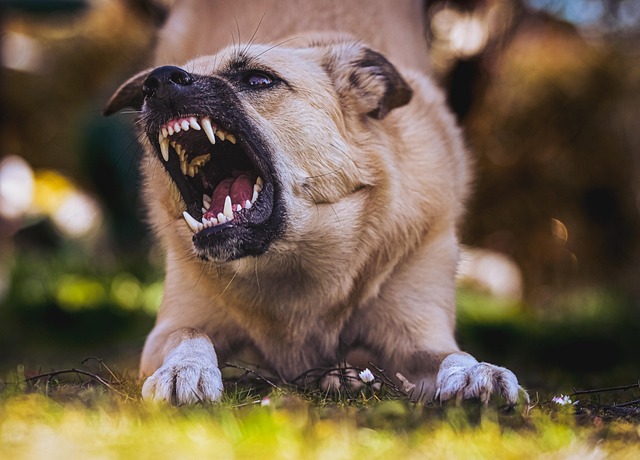
A stiff body, raised tail, and fixed stare usually mean the dog is unsure or guarding territory. If the ears go back and the dog lowers its body slightly, that can signal fear. Fearful dogs are often the ones that bite because they feel they have no other option.
I remember a case last summer where a medium-sized mixed breed started barking from about ten feet away. I paused, turned slightly sideways, and waited. Within a few seconds, the barking slowed. The dog kept its distance. That small pause prevented a situation that could have gone badly.
Distance matters. Even two extra steps back can change everything. It gives the dog space and gives you time to react if needed.
What I Never Do Around an Aggressive Dog
There are a few things I avoid completely now, no matter the situation. I learned these lessons the hard way, and I do not repeat them.
I never run unless I have a clear escape. Running can trigger pursuit instantly, and most dogs are faster than people over short distances. I have seen coworkers trip while running, which made things worse.
I do not try to kick or strike the dog unless it is a last resort. Physical confrontation raises the stakes and can lead to injury on both sides. It also tends to confirm the dog’s fear or aggression.
I avoid turning my back fully. Even as I step away, I keep the dog in my peripheral vision. That awareness matters more than people think.
No sudden moves. Ever.
Working Around Dogs in Real Life Settings
Every yard is different. Some dogs are all noise and no action, while others stay quiet until you get too close. After covering hundreds of homes, I have learned to assume nothing.
In one neighborhood, there is a gate that looks secure but swings open easily. Behind it is a dog that guards the front path. I approach that house slowly every time, even though I have been there dozens of times. Familiarity does not guarantee safety.
I also pay attention to the environment. Toys, food bowls, or worn paths in the yard can indicate where a dog spends most of its time. That helps me avoid stepping into its core space without realizing it.
Sometimes, the safest move is to skip the yard and return later. That decision has saved me more than once. Missing one reading is better than risking a bite that could take weeks to heal.
Most dogs are not out to harm you. They are reacting to what they see as a threat or intrusion. Once I started treating each encounter as a communication problem instead of a confrontation, things got easier and safer across the board.