
I work as a mobile veterinary technician, mostly handling routine preventive care for cats in homes and small community clinics. One of the most common questions I get while setting up a table in someone’s living room is how much it costs to get a cat chipped. People are usually surprised that the answer is not a single fixed number. Over the years, I have seen a wide range depending on where the service is done and what is included in the visit.
What I usually see in pricing
In my daily work, I see microchipping prices that typically range from modest to slightly higher, depending on the provider. In smaller clinics or at shelter events, I have seen the procedure offered at a very low fee, sometimes bundled with vaccination packages. Private veterinary hospitals, especially in busy urban areas, often charge higher fees due to consultation and setup costs.
From my field experience, the microchip itself is not expensive. The device is tiny and mass-produced, so cost isn’t what drives the final bill. The main variation comes from service charges, registration fees, and whether the clinic includes lifetime database updates. One shelter event I assisted last spring offered chips at a heavily reduced rate, mainly to encourage responsible pet identification across the community.
How clinics explain the charges
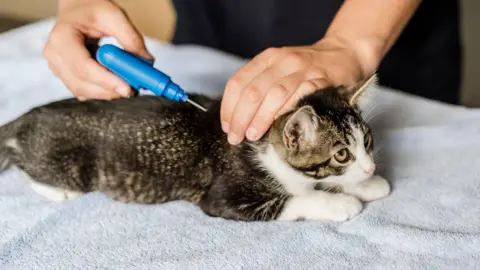
When I explain microchipping to pet owners, I usually break it down into three parts: the device, the procedure, and the registration. The insertion process is quick, often done in less than a minute, but the handling and record-keeping take time. Some clinics prefer to package everything into a single price so owners are not confused by separate line items.
In many cases, transparency varies from place to place, so I always suggest asking questions before agreeing. I once assisted at a clinic where the receptionist carefully explained each fee component so owners knew exactly what they were paying for. For people looking for trusted options in their area, I often point them toward a local veterinary microchipping service that clearly lists its pricing and includes registration in the total cost. That kind of clarity makes it easier for owners to compare without guessing hidden charges. It also reduces the chance of paying extra later for database activation or updates.
What affects the final bill
The final cost of microchipping a cat depends on several practical factors that I see play out regularly in my work. Location is one of the biggest influences, since urban clinics generally have higher operating costs than rural setups. Another factor is whether the procedure is performed during a routine checkup or as a standalone visit, as standalone appointments often incur a consultation fee.
I also notice differences based on whether sedation is needed, although for most cats it is not required at all. Some clinics include follow-up registration support, while others only provide the chip and leave registration to the owner. There are also seasonal campaigns run by shelters that temporarily lower prices to encourage more pet owners to participate in identification programs. Costs can shift noticeably depending on these small but important details.
My practical advice before you book
When I talk to pet owners, I usually suggest thinking beyond just the price tag. A slightly higher fee at a reputable clinic often includes proper registration and reliable database entry, which is the part that actually matters if a pet ever gets lost. I have seen cases where a cheaper chip was inserted but never properly registered, which defeats the purpose entirely.
Another thing I tell people is to ask whether the chip is internationally readable, especially if they travel or move between cities. The procedure itself is simple, but the follow-up system behind it is what gives real value. One owner I recently visited had two cats chipped at different locations, and only one was correctly registered, which caused confusion during a routine check. Small differences like that matter more than saving a small amount upfront.
I also encourage owners to schedule microchipping during another vet visit if possible. Combining it with vaccination or a wellness check often reduces the overall cost and stress for the cat. It is rarely just one price. Planning ahead makes the experience smoother for both the pet and the owner, especially when the cat is already used to the clinic environment.
Most people I deal with feel more comfortable once they understand what they are actually paying for. The procedure itself is quick, but the real value lies in the identification system working properly if the pet ever goes missing. That is usually where I leave the conversation, letting owners decide based on both cost and long-term peace of mind.