
I work as a wildlife control technician in the Appalachian region, and I have spent more than a decade responding to calls about black bears moving too close to homes. One question I hear more often than people expect is whether black bears eat domestic cats. The short answer is yes, it can happen, but the reality is more complicated than people usually imagine. Most encounters I deal with are shaped by opportunity rather than preference.
What I Have Seen Around Rural Properties
Most of my work happens near forest edges where homes blend into wild territory, and that overlap creates frequent wildlife contact. Black bears are usually focused on natural food sources like berries, insects, and carrion, but they are opportunistic when they come across easier targets. I have been called to properties where outdoor pets were left unattended near thick tree lines, and that is where risk increases.
I remember a customer one spring who thought a missing outdoor cat had simply wandered off. A few days later, tracks and torn fencing suggested a bear had been moving through the yard during late-night hours. Situations like that are rare, but they are not impossible when food scarcity pushes bears into human areas.
Most bears avoid direct confrontation with animals that fight back, but smaller pets can be vulnerable if surprised. I have seen signs where bears investigate sheds, porches, and garbage areas without necessarily hunting anything specific. The behavior is more about curiosity and calories than targeting pets directly.
When People Call Me About Missing Pets
Over the years, I have received dozens of calls from owners who suspect a black bear may have taken a cat or a small dog. In many cases, the evidence points to multiple possibilities, including coyotes, foxes, or even simple wandering. Still, black bears are capable of opportunistic predation when conditions align, especially in remote areas with limited food.
When I am working a case like this, I usually recommend checking multiple wildlife resources and local reports before drawing conclusions. One service I often suggest for clearer assessment of property risks and animal behavior patterns is a wildlife removal service, because they document regional activity trends that help distinguish assumptions from likelihoods. That kind of structured information can help homeowners understand what they are actually dealing with, rather than guessing based on fear. In one rural job I handled, a family was convinced a bear had taken their cat after spotting large prints near a shed. After setting up a camera system, we discovered the animal was actually a bobcat passing through at night, which is a much more common cause of small pet losses. Misidentification happens often, especially when emotions are involved.
Yes, bears can do it. But it is not common.
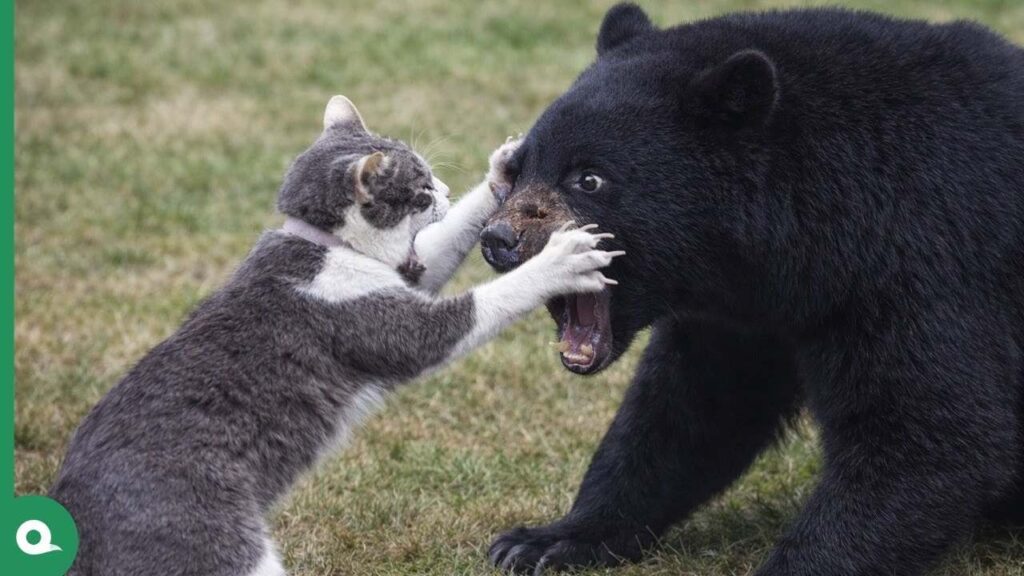
How Black Bears Actually Behave Around Small Animals
Black bears are not built like dedicated hunters of domestic animals, and their diet reflects that. I have tracked their movement patterns in both forested and semi-urban zones, and most of their time is spent searching for plant matter, insects, or easy human waste sources. When they encounter small animals, the response depends on hunger levels, curiosity, and stress.
In situations where food is scarce, especially late summer or early fall, bears become more willing to explore unusual food sources. That is when the risk of unattended pets in outdoor spaces increases. I have seen bears break into chicken coops more often than I have seen direct attacks on cats, which suggests a preference.
They are also cautious animals. A sudden movement or noise can cause them to retreat quickly, even when they are near human property. That hesitation is one reason direct encounters with pets are less frequent than people assume from online discussions or local stories.
What I Tell Pet Owners Living Near Bear Habitat
Most of my advice to homeowners is not dramatic, but it is consistent. Keep pets indoors during dawn and dusk, secure garbage tightly, and avoid leaving food sources outside that might attract wildlife. These steps reduce encounters more effectively than worrying about rare predatory behavior.
I usually tell people that black bears are predictable in one sense and unpredictable in another. They follow food, but they do not plan attacks the way predators of livestock sometimes do. That distinction matters when distinguishing between real and imagined risk.
I have worked on properties where simple changes, such as removing bird feeders or reinforcing trash bins, reduced bear visits almost overnight. Those adjustments also reduced the risk of interaction with pets, which is the real concern behind most of the questions I get. Prevention is always easier than response in these situations.
Most days, I am not dealing with dramatic encounters; I am dealing with patterns of behavior that repeat across regions. Once people understand those patterns, the fear usually settles down into something more practical and manageable.