
I run a small dog daycare and boarding setup on the edge of a semi-rural neighborhood, and over the years, I’ve learned that what grows under your feet matters more than most owners realize. Dogs don’t just walk on grass. They sniff, chew, roll, and sometimes eat whatever looks interesting. I’ve had to pull out more than a few plants after seeing how quickly curiosity can turn into a problem.
The Common Yard Weeds That Worry Me Most
The ones I keep an eye on are not rare. In fact, most show up without invitation. One that surprises people is ragwort. It has yellow flowers that look harmless, but it carries toxins that can damage a dog’s liver over time, especially if they nibble on it repeatedly.
Another one I’ve dealt with is jimsonweed. Around here, it pops up near fences or disturbed soil, and I’ve seen dogs drawn to its strange spiky pods. A customer last summer had a young Labrador that chewed on one, and within an hour, the dog became disoriented and restless, making it hard to ignore.
Milkweed is another plant people sometimes overlook because it looks almost ornamental. The sap can upset a dog’s stomach, and in larger amounts, it can affect the heart. I pulled out a patch of it behind my kennel after noticing one of the older dogs licking at the leaves for no clear reason.
Some weeds don’t look threatening at all. Foxtail grass is a good example. It doesn’t poison dogs, but those barbed seeds can lodge in the ears, paws, or even the nose. I’ve seen a dog need a vet visit just because one seed worked its way under the skin.
What I Actually Do About It Day to Day
I don’t wait for weeds to become a problem. Every couple of weeks, I walk the perimeter of my yard and scan for anything new, especially after rain or if the soil has been disturbed. It takes about 20 minutes, but it saves me from bigger headaches later.
There was a time I let things slide for a month. That was enough for a cluster of nightshade to grow near the back fence, and I only caught it because one of the dogs kept sniffing there longer than usual. I pulled it out the same day and started checking more often after that.
For owners who don’t want to deal with it themselves, I’ve seen people get help from a local weed-control service that follows pet-safe practices and avoids harsh chemicals. That matters more than most realize. Some treatments solve one problem and quietly create another.
I also keep mowing a bit shorter than some people prefer. Not too low, but enough that weeds don’t get a chance to flower and spread seeds. It’s a simple habit that cuts down the number of surprises.
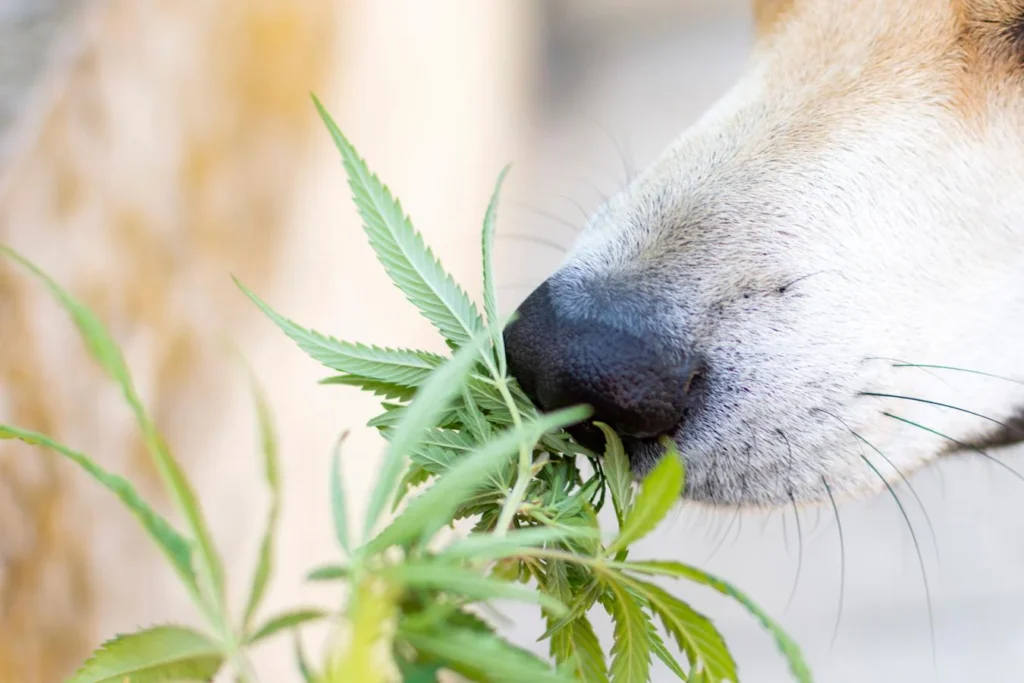
Signs a Dog May Have Ingested Something Toxic
Dogs don’t always show clear symptoms right away. That’s what makes this tricky. I’ve seen cases where a dog seemed fine for a few hours, then suddenly started drooling or acting sluggish.
Vomiting is common. So is unusual pacing or restlessness. In one case, a spaniel I was watching started circling in a tight pattern after chewing on something in the yard, and it turned out to be a toxic plant I hadn’t spotted yet.
There are also subtler signs. A drop in appetite, mild shaking, or even just a change in how a dog responds to commands can be early clues. If something feels off, it usually is.
Call a vet fast. Don’t wait.
Weeds That Get Debated Among Dog Owners
Some plants fall into a gray area. Dandelions are a good example. Many people consider them harmless, and in small amounts, they usually are, but I’ve seen dogs get mild stomach upset after eating too many in one sitting.
Clover is another one that comes up in conversation. It’s not typically toxic, but if it’s growing in poor soil or treated with chemicals, it can still cause issues. I’ve noticed that dogs who graze on clover patches sometimes develop loose stools later in the day.
Then there are wild mushrooms, which technically aren’t weeds but often grow in the same neglected corners of a yard. Those are a hard no. I remove them as soon as I see them, because telling safe from unsafe varieties is not something I gamble on.
Opinions vary here. I stick to caution.
How I Train Dogs to Avoid Random Plants
Prevention doesn’t stop at pulling weeds. I spend time teaching dogs in my care to leave things alone when asked. It’s not perfect, but it helps reduce risk.
I use a simple “leave it” command during walks around the yard. When a dog goes to sniff or nibble something questionable, I redirect and reward them for backing off. Over a few days, most dogs start to hesitate before grabbing random plants.
This doesn’t replace supervision. Not even close. But it adds a layer of safety, especially for dogs that are naturally curious or prone to chewing.
Consistency matters more than technique. Dogs pick up patterns quickly.
I still get surprised sometimes. A new weed shows up, or a dog finds interest in something I didn’t expect. That’s part of working with animals. Staying observant has been the difference between small corrections and bigger problems in my yard.