I run a small boarding and daycare setup out of my home, and over the years, I have seen more than a few cases where everyday kitchen scraps turned into real problems for dogs. Onions and garlic come up more often than people expect, often because someone thought a small amount wouldn’t matter. I used to think the same thing early on, until a nervous client brought in a dog that had been fed leftovers for weeks. That experience changed how I talk to every dog owner who walks through my gate.
What Actually Makes Onions and Garlic Dangerous
Both onions and garlic belong to the allium family, and they contain compounds that damage a dog’s red blood cells. I explain it simply to clients. The damage builds quietly at first. A dog might seem fine after a single exposure, but repeated small amounts can accumulate and lead to anemia.
I have seen dogs that ate cooked onions in gravy and others that got into raw garlic cloves. The form does not make them safe. Cooking, drying, or powdering changes the taste but not the toxic effect. Even onion powder in snacks can be an issue if it becomes a habit.
Size matters, but not in the way people assume. A larger dog can tolerate more, but that does not mean it is safe. I once cared for a Labrador that had been getting table scraps daily, and the gradual buildup led to lethargy that the owner initially blamed on age. It was not age.
How Symptoms Show Up in Real Life
The tricky part is that symptoms do not always appear right away. I have watched dogs act normal for a day or two and then suddenly show weakness, pale gums, and low energy. Some dogs lose interest in food. Others just lie down more than usual.
When I suspect something like this, I usually tell owners to contact a trusted resource, such as the animal poison helpline, to get immediate guidance before things get worse. Quick advice can save time and stress. Waiting rarely helps.
In more serious cases, I have seen dogs with rapid breathing and dark urine. That is when it gets urgent. A vet visit becomes non-negotiable at that point, and treatment can involve fluids or even blood support in extreme situations.
Common Mistakes I See Owners Make
The biggest mistake is assuming small amounts are harmless. I hear it all the time. “It was just a little onion from last night’s curry.” The problem is that small amounts repeated over days can create a bigger issue than a single large exposure.
Another pattern is people thinking garlic is healthy because it is often labeled as beneficial for humans. Dogs process it differently. I had a client last winter who added crushed garlic to their dog’s food for weeks, believing it would boost their dog’s immune system. The dog ended up weak and needed veterinary care.
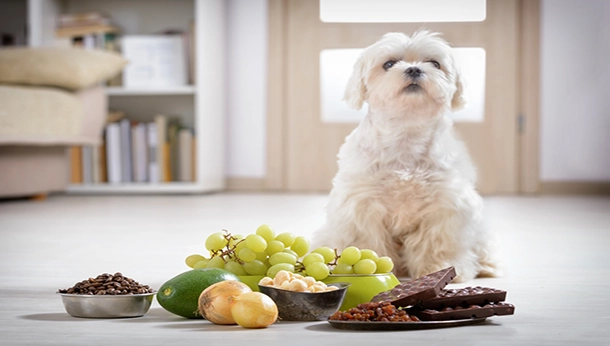
Leftovers are a hidden risk. Many dishes contain onion or garlic without being obvious, especially sauces, soups, and fried foods. I always tell people to check what went into the meal before sharing it with a dog. If you are not sure, skip it.
What I Do Instead at My Boarding Setup
I keep feeding simply. Every dog gets food that is consistent and free from risky ingredients. No table scraps. No guessing. It keeps things predictable, and I rarely deal with food-related issues because of that rule.
If a dog arrives after eating something questionable, I monitor closely for at least 48 hours. That window matters. I watch energy levels, appetite, and gum color. Subtle changes tell a story if you pay attention.
Owners sometimes ask me for safe alternatives. I usually suggest plain cooked chicken or small portions of carrots. Simple is better. Dogs do not need complex flavors to be satisfied.
When to Act and When to Watch
If a dog eats a noticeable amount of onion or garlic, I do not wait. I recommend calling a vet right away. Even if symptoms are not present, early advice can guide what to do next.
For very small exposures, I sometimes suggest careful observation, but only if the dog is otherwise healthy and the amount was truly minimal. That decision depends on context. A tiny piece once is different from daily exposure over a week.
There is no benefit to testing limits here. I have learned that the hard way by seeing how quickly a manageable situation can turn stressful. Dogs cannot tell you what feels wrong. You have to read the signs.
I still remember that early case I mentioned. The dog recovered, but it took time and effort that could have been avoided. Since then, I keep it simple with every owner I meet. Onions and garlic are not treats. There are risks. Keeping them out of a dog’s diet is one of the easiest ways to avoid a problem that no one enjoys dealing with.