
I work as a mobile veterinary technician, spending most of my days visiting homes with cats who have everything from mild stomach issues to long-term dietary problems. One question I hear repeatedly is whether tuna is safe for cats and whether it can harm them when given too often.
It usually comes up when a cat owner is trying to make a picky eater eat something, and tuna feels like the easiest solution. Over the years, I’ve seen both harmless treats and avoidable health issues tied to the way tuna is used in a cat’s diet.
Why cats are drawn to tuna
Cats are naturally attracted to strong-smelling proteins, and tuna has a very intense aroma that triggers their hunting instincts. I’ve watched even shy, low-energy cats suddenly become alert the moment a can is opened in the kitchen. The smell is rich in amino acids that mimic the scent of prey, which explains why they respond so quickly. It is not just taste; it is biological attraction.
In several home visits last spring, I noticed owners using tuna as a reward during grooming sessions or medication routines. It works almost too well, which is where the problem begins over time. Cats start associating food acceptance only with tuna, refusing balanced meals that don’t carry the same smell or flavor profile. I always tell people that what motivates them isn’t always suitable as a daily habit.
At a small local pet consultation setup I sometimes collaborate with, I’ve also seen cats with mild dehydration improve their appetite temporarily when tuna water is offered. However, that short-term benefit can easily mislead owners into thinking it is a complete dietary option. It is not designed to replace proper cat food, even if the reaction seems positive at first.
When tuna becomes a problem
In many cases, feeding tuna occasionally is not harmful, but the issue starts when it becomes a regular meal replacement. I have seen cats develop nutrient imbalance, especially low vitamin E levels, after being fed tuna-based meals for extended periods. Some owners do not realize that tuna lacks several essential nutrients cats need daily. It is a food that should sit on the side, not in the center of their diet.
For people looking for reliable pet feeding guidance or general nutritional advice, I often suggest speaking with professionals who regularly handle feline diets, and a useful starting point is local pet nutrition support resources. I have noticed that when owners receive even basic structured guidance, they tend to reduce unnecessary reliance on single-food feeding habits, such as tuna-only meals. This simple shift often prevents long-term complications that I otherwise see in routine checkups. It also helps bring variety back into a cat’s feeding routine.
One of the more serious concerns I’ve encountered is the risk of mercury exposure. Tuna, especially certain larger species, can accumulate mercury over time. While a small treat occasionally is unlikely to cause immediate harm, consistent feeding raises the risk, particularly in smaller or younger cats. I’ve had discussions with worried pet owners who only learned about this after noticing changes in their cat’s energy levels or coat condition.
There is also the behavioral side. Cats can become selective eaters if tuna is used too often as a primary food. I once worked with a household where a cat refused every commercial cat food brand after months of tuna feeding. It took gradual dietary reconditioning over several weeks to fix the issue. It was slow work, and the owner kept saying the cat was “just stubborn,” but it was actually conditioning, not personality.
How I feed tuna safely in my clinic experience
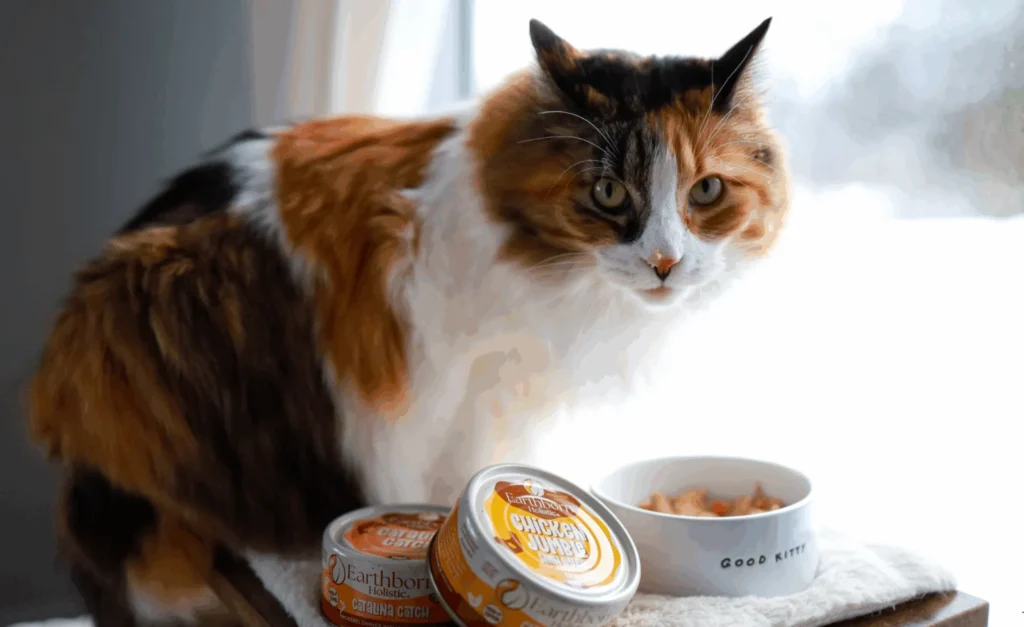
In controlled settings, I sometimes use tuna as a temporary appetite stimulant, especially in cats recovering from stress or mild illness. The key is moderation and clear limits. I never recommend making it a daily staple, even in small amounts. A few flakes mixed into food can be enough to encourage eating without turning it into dependency.
During home consultations, I usually suggest treating tuna like a treat rather than a meal. That means small portions, not frequent servings, and always balanced with a complete cat diet. I have seen better recovery outcomes in cats when tuna is used strategically rather than casually. The difference is subtle but important over a few weeks of observation of feeding behavior.
Another practice I follow is advising owners to avoid tuna packed in oil or heavily salted water. Those versions introduce unnecessary additives that can stress a cat’s kidneys over time. Plain water-packed tuna is the least problematic option, but even that should be limited. I often remind people that cats are not built for human snack foods, no matter how much they enjoy them.
I’ve also noticed that combining tuna with structured feeding times reduces dependency. Instead of offering it whenever the cat refuses food, setting a routine helps stabilize appetite. This works especially well in multi-cat households, where feeding competition can lead to picky eating. Small adjustments like this usually prevent bigger dietary issues later.
Better alternatives, I recommend
Over time, I’ve shifted most of my guidance toward alternatives that support long-term feline health rather than short bursts of excitement. High-quality wet cat food with balanced nutrients often offers the same level of palatability without the risks associated with tuna. Cats tend to accept it once they adjust to consistent feeding routines. It may take a few days, but the transition is usually smooth.
I also suggest introducing boiled chicken or small portions of cooked turkey as occasional treats. These options are easier on the digestive system and do not carry the same mercury concerns. In several cases, I’ve helped owners transition their cats from tuna dependence to mixed-protein diets with little resistance from the cats. The key is gradual change, not sudden removal.
Hydration support is another overlooked factor. Some cats eat tuna simply because it is moist. When I recommend proper water fountains or adding broth-based meals, the desire for tuna often decreases naturally. It solves the root cause rather than just replacing one food with another.
There are also specialized veterinary diets available for picky eaters or recovering cats. I’ve seen these work well in situations where owners were struggling to maintain consistent feeding patterns. They are formulated to meet nutritional needs without relying on fish-based shortcuts. Once cats adapt, tuna becomes an occasional treat again rather than a dietary requirement.
I still see tuna as part of a cat’s life, just not the foundation of it. A small amount here and there is fine, especially when used thoughtfully during training or recovery moments. The challenge is keeping it from turning into the main strategy for feeding. Once that balance is understood, most cats stay healthier and are far less selective about what ends up in their bowl.