
I run a small tropical plant shop attached to a greenhouse in eastern Pennsylvania, and I spend a surprising amount of time answering questions about cats chewing leaves. Fittonia is often recommended for its bright veins and compact shape, especially in apartments with limited light. I have kept a few varieties near my desk for years and have also fostered rescue cats during that time. That combination taught me pretty quickly which plants create panic and which ones usually just create a mess on the floor.
What I Have Seen With Fittonia and Cats
Fittonia, also known as the nerve plant, is generally considered non-toxic to cats. I still tell customers to keep their pets from chewing it, but the concern is usually stomach irritation rather than poisoning. A cat that eats a few leaves might drool a little or throw up later that evening. Most of the time, the plant suffers more damage than the cat does.
I learned this firsthand with a gray foster cat I had a couple of winters ago. He ignored every expensive toy in the house but became obsessed with one pink-veined Fittonia sitting beside a humidifier. By the third day, half the leaves looked shredded. He ended up vomiting once on a rug and then acted completely normal after that.
That said, I never encourage people to treat “non-toxic” as “safe to snack on.” Cats have sensitive digestive systems, and some react badly even to harmless greenery. One customer brought in photos last spring after her kitten ate several stems in one sitting and developed diarrhea for about twenty-four hours. The veterinarian ruled out poisoning, but the stomach upset persisted.
Small details matter here. A mature fifteen-pound cat nibbling one leaf is different from a tiny kitten chewing half a pot while nobody is home. I usually tell people to pay attention to how much their pet eats, how it behaves afterward, and whether the plant may have pesticide or fertilizer residue on its leaves.
Why Fittonia Still Makes Sense for Cat Owners
I recommend Fittonia to cat owners more often than almost any other tropical houseplant because it stays compact and adapts well to shelves, terrariums, and shaded rooms. Many popular houseplants carry genuine toxicity risks, especially lilies, pothos, and certain philodendrons. Compared to those, Fittonia is far less stressful for pets. The hardest part is usually keeping the plant alive through dry indoor winters.
Some of my customers check plant safety lists before buying anything for their homes, and I understand why. One local client told me she started researching after paying several thousand dollars in emergency vet bills tied to a toxic flower arrangement. Since then, she has relied heavily on the ASPCA’s lists of toxic and non-toxic plants whenever she brings home something new. I do the same thing myself when suppliers offer unfamiliar varieties.
Fittonia also tends to grow low and dense rather than producing long, dangling vines that attract playful cats. That can reduce temptation in smaller apartments. My own orange tabby ignores upright plants completely, but anything hanging over the side of a shelf becomes a toy within hours. Placement changes behavior more than people expect.
Humidity helps. Dry plants become crispy and weak, and cats seem more interested in chewing damaged leaves than healthy ones. I keep mine at about 60% humidity in winter with a small tabletop humidifier and trays filled with pebbles and water. The leaves stay soft and colorful much longer that way.
Signs That a Cat Ate Too Much
Most cases I hear about involve mild symptoms that disappear within a day. A cat may vomit once, stop eating for a few hours, or leave loose stool in the litter box. Usually, the owner is more frightened than the animal. I still suggest calling a veterinarian if symptoms persist for more than a day or worsen quickly.
There are a few warning signs I take seriously. Repeated vomiting matters. Trouble breathing matters even more. If a cat becomes lethargic, struggles to stand, or refuses water completely, I would not assume the plant is harmless just because Fittonia is labeled non-toxic.
Sometimes the issue is not the plant itself. A glossy leaf spray, leftover pesticide, or fertilizer pellet in the soil can create problems unrelated to Fittonia. I once helped a customer repot a struggling nerve plant after her cat kept digging in the container, and we discovered slow-release fertilizer scattered all through the soil surface. That worried me far more than the leaves.
I usually recommend these simple precautions for homes with curious pets:
Keep freshly treated plants out of reach for a few days, wipe dusty leaves regularly, use plain nursery pots without decorative moss, and avoid leaving fallen leaves on the floor overnight. Those habits solve many problems before they start.
Other Pet-Friendly Plants I Often Suggest
People rarely stop at one plant. Once someone keeps a healthy Fittonia alive for six months, they usually come back wanting another shelf filled with them. I have a short mental list of plants I feel comfortable recommending to cat owners because I have seen them coexist peacefully in real homes.
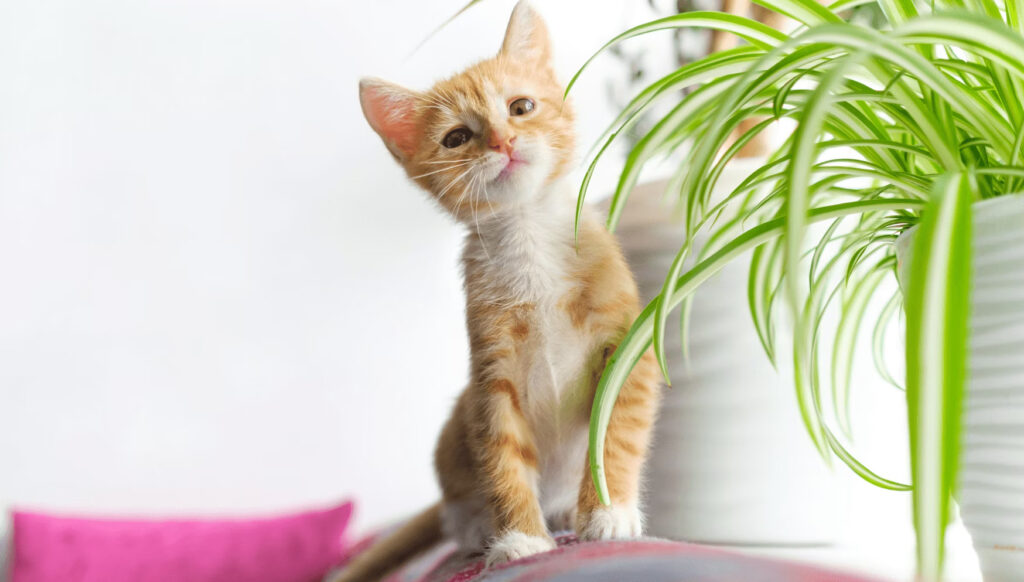
Prayer plants are among the better options because they prefer similar conditions and have soft, patterned leaves that appeal to the same crowd. Spider plants are another common choice, although some cats become weirdly obsessed with them. Mine certainly did. He dragged one off a cabinet twice in the same week.
Parlor palms work well too, especially in rooms with indirect light. They grow slower than people expect, but that can be a good thing in apartments where space disappears fast. A customer who lived in a converted studio downtown kept one beside a north-facing window for nearly four years before needing a larger pot.
I stay cautious with trendy plants that flood social media every few months. Labels get mixed up in wholesale shipments more often than customers realize, especially in spring when greenhouses are overloaded with inventory. I have caught toxic plants sitting in trays labeled “pet-sa”fe” more than once. That is why I still double-check names before giving advice.
Living with cats and houseplants always involves some compromise. A few shredded leaves are probably going to happen sooner or later. Still, Fittonia is one of the plants I worry about the least, and I say that as someone who has cleaned soil out of carpet at midnight more times than I care to admit. If a customer asks me for something colorful that will not send them racing to an emergency vet after one curious bite, this is usually near the top of my list.