
As a licensed veterinarian practicing in Texas for over a decade, I’ve seen firsthand how simple lapses in car safety can turn routine drives into dangerous situations for dogs.
Over the years, I’ve treated pets who were injured in minor accidents simply because they weren’t properly restrained or because their owners underestimated the risks of car travel. From these experiences, I’ve developed practical advice that genuinely works, drawn from real situations rather than theoretical guidelines.
One incident that stays with me involved a family who brought in their Labrador after a minor fender-bender. The dog was riding unrestrained in the back seat and, fortunately, only suffered a sprain. The owners were shocked because they assumed a car was safe as long as you drove carefully. This case taught me that even slow-moving accidents can cause injury if a dog isn’t secured correctly.
Use Proper Restraints
A seatbelt harness or a secured crate is not just a suggestion—it’s essential. I often see medium to large dogs bouncing around in the back seat, which can be frightening for them and distracting for the driver. One spring, a client’s boxer leapt into the front seat while they were on the highway. The resulting chaos almost caused a serious accident. After switching to a well-fitted harness that attaches to the seatbelt, both the dog’s comfort and the driver’s control improved dramatically.
Crates should be sturdy, ventilated, and secured so they don’t slide around. I once worked with a golden retriever who hated being in crates, but after gradually acclimating her with treats and short trips, she now stays calm and safe, even on drives over an hour.
Temperature and Ventilation
Dogs can overheat quickly, especially in parked cars. I treated a French bulldog who was in a hot car for just a few minutes; he was panting heavily and dehydrated. Even on cooler days, the sun can raise the interior temperature to dangerous levels in minutes. Always ensure the car is well-ventilated, and never leave your dog alone inside a parked vehicle. If a stop is necessary, either take your dog with you or make sure a friend stays with them.
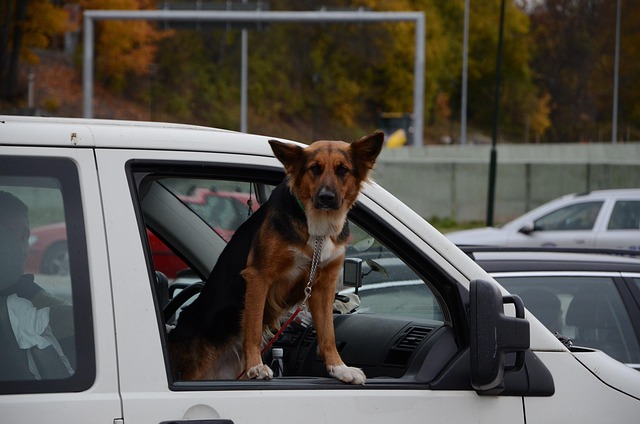
Behavioral Comfort
Some dogs panic during car rides. I remember a customer who had a border collie that would scratch at doors and whine incessantly during trips. Simply providing a familiar blanket and occasional short breaks transformed these stressful dog rides into manageable trips. For nervous dogs, short practice drives paired with rewards can help them feel secure and reduce anxiety.
Positioning and Access
Dogs should never ride in the front seat, especially if your car has airbags. Even moderate deployment can seriously injure a pet. I frequently recommend that medium- to large-sized dogs ride in the back seat, secured with a harness or in a crate. For small dogs, I’ve seen soft-sided carriers work well when properly secured.
Final Thoughts
Keeping a dog safe in a car requires more than instinct—it requires preparation, proper equipment, and a little patience. Over the years, I’ve seen the difference a few thoughtful measures can make: calmer dogs, safer drivers, and fewer trips to treat preventable injuries. From proper restraints to monitoring temperatures and easing anxiety, these steps transform car rides from stressful experiences into safe, routine outings for both pets and their owners.