
I’ve been a licensed veterinarian practicing in Texas for more than a decade, and if there’s one topic that quietly shapes almost every health conversation I have with pet owners, it’s gut health. Not the trendy version with buzzwords on a bag of food, but the day-to-day reality of how a dog or cat’s digestive system behaves under stress, poor diet choices, medications, and age.
I didn’t fully appreciate how central the gut was until early in my career, when I treated a middle-aged Labrador who kept returning for itchy skin, recurring ear infections, and intermittent diarrhea. We chased symptoms for months. It wasn’t until we addressed his diet and rebuilt his gut function that everything else began to calm down. That case changed how I practice.
What “gut health” actually looks like in real pets
In the clinic, good gut health is rarely invisible. Pets with balanced digestion tend to have steady energy, predictable stools, healthier coats, and fewer vague issues, such as chronic itching or recurrent infections. Poor gut health, on the other hand, often shows up in unexpected ways.
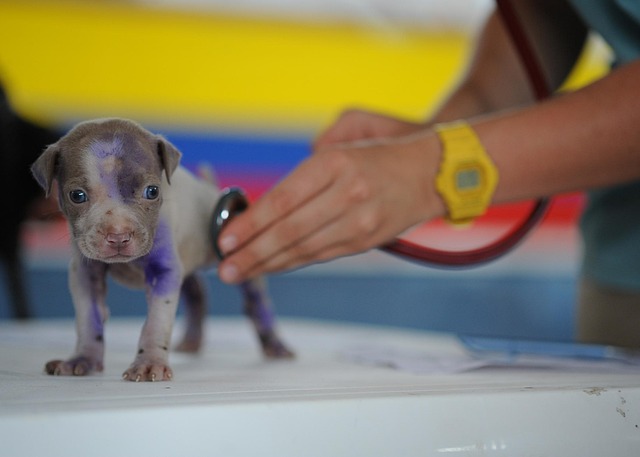
I’ve seen dogs brought in for anxiety that turned out to be linked to ongoing gastrointestinal discomfort. I’ve treated cats labeled “picky eaters” who were actually avoiding food because eating made them feel unwell. These aren’t rare edge cases. They’re familiar enough that I now ask detailed digestive questions even when the presenting complaint has nothing to do with the stomach.
The gut isn’t just a food tube. It’s a major immune organ. When it’s irritated or imbalanced, the rest of the body pays for it.
Common mistakes I see owners make
One of the most frequent mistakes I encounter is switching food too often. Owners mean well. A dog gets loose stools, so they change the food. The problem persists, so they switch again. Over time, the gut never gets a chance to stabilize.
I remember a small-breed dog last spring whose owner had tried five different foods in under two months, including grain-free, raw toppers, and home-cooked meals pulled from social media. The dog’s diarrhea wasn’t stubborn; it didn’t need anything exotic. It was stubborn because the gut was exhausted.
Another common issue is overusing treats and table scraps. I’ve had clients swear their dog “only gets a little chicken,” only to realize that little chicken comes several times a day, plus biscuits and dental chews. From a gut perspective, that inconsistency matters.
I also see well-intentioned misuse of supplements. Probiotics can be helpful, but they’re not harmless by default. Giving multiple products at once or using human supplements without guidance can worsen bloating, gas, or stool problems.
Stress and the gut: an overlooked connection
Stress-related gut issues are far more common than people realize. Boarding, moving homes, new pets, schedule changes, and even prolonged loud construction nearby can disrupt digestion.
One cat I treated developed chronic vomiting after her owners remodeled their kitchen. No dietary changes, no new medications. Just months of noise and routine disruption. Once we addressed environmental stress and supported her gut gently rather than aggressively medicating, the vomiting resolved.
That is why I’m cautious about labeling digestive issues as “just sensitive stomachs.” Sensitivity often has a cause.
Diet choices: practical guidance from experience
I don’t believe there’s one perfect diet for every pet. I do think consistency matters more than novelty.
For many dogs and cats, a well-formulated commercial diet that’s fed consistently works better than constantly chasing the latest trend. I’ve seen excellent results with both grain-inclusive and grain-free diets, depending on the individual animal. What matters is how the pet responds over time.
Raw diets are something I approach carefully. I’ve treated dogs who thrived on them under proper supervision, and I’ve treated others hospitalized with bacterial infections traced back to improperly handled raw food. In households with young children, elderly family members, or immunocompromised individuals, I generally advise against raw feeding based on real risks I’ve seen play out.
Fiber is another area where experience matters. Adding fiber can help some pets with diarrhea or constipation, but adding the wrong type or amount can make things worse. I’ve seen pumpkin help one dog and completely derail another.
Medications and the gut
Antibiotics save lives. They also disrupt gut bacteria. I’ve lost count of how many times a pet’s digestive issues began after a necessary course of antibiotics for an unrelated infection.
That doesn’t mean antibiotics should be avoided, but it does mean the gut deserves support during and after treatment. In my practice, I often discuss timing probiotics away from antibiotic doses and monitoring stools closely for several weeks afterward, not just during the medication period.
Steroids and certain pain medications can also affect digestion, sometimes subtly. Loose stools, reduced appetite, or mild nausea are often dismissed until they snowball into bigger problems.
Signs I take seriously
From years in exam rooms, I’ve learned not to ignore patterns. Occasional digestive upset happens. Repetition is what concerns me.
Red flags include stools that are frequently soft without ever fully normalizing, recurring vomiting that happens weekly rather than once in a while, unexplained weight changes, and pets that alternate between diarrhea and constipation. Changes in behavior around food matter too. A dog that approaches the bowl but hesitates is telling you something.
These signs don’t always point to severe disease, but they do suggest the gut isn’t happy.
Supporting gut health in a realistic way
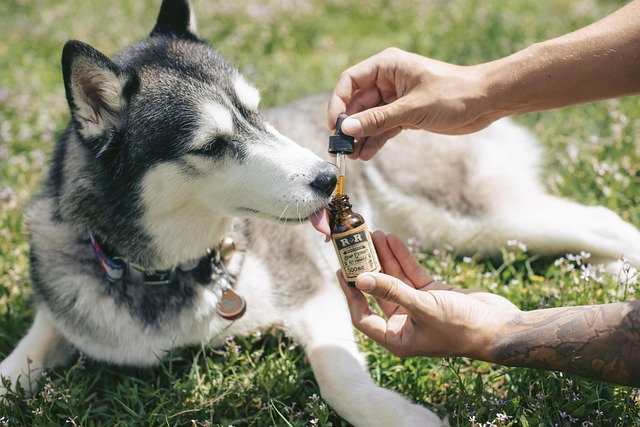
In practice, improving gut health often means doing less, not more. Simplifying diets, reducing unnecessary extras, and giving the digestive system time to adjust can be more effective than adding another supplement.
I often encourage owners to track stools for a few weeks, not obsessively, but enough to notice trends. Consistency in feeding times, portion sizes, and treat types helps more than most people expect.
For pets care with chronic issues, targeted dietary trials under veterinary supervision have resolved problems that lingered for years. I’ve watched owners express disbelief when a dog’s lifelong “sensitive stomach” settles after removing a single ingredient.
A realistic perspective
Gut health isn’t a quick fix, and it isn’t glamorous. It’s gradual, sometimes frustrating, and often requires patience. But in my experience, it pays off across the board. Better digestion frequently leads to better skin, stronger immunity, and improved behavior.
Some of the healthiest senior pets I see aren’t on exotic regimens. They’re on diets that work for them, routines that don’t constantly change, and care plans that respect the gut as a foundation rather than an afterthought.
After years of watching patterns repeat themselves in exam rooms, I no longer see pet gut health as a niche topic. It’s central to how animals feel, age, and recover. And once you start paying attention to it, you begin to notice how often the gut has been quietly asking for help all along.