
Many dog owners notice that their pets seem unusually excited about car rides. While it can appear like simple enthusiasm, there are clear behavioral and sensory reasons behind this response. Understanding why dogs enjoy riding in cars can help owners make these experiences safer and more enjoyable for their pets.
The Appeal of New Smells
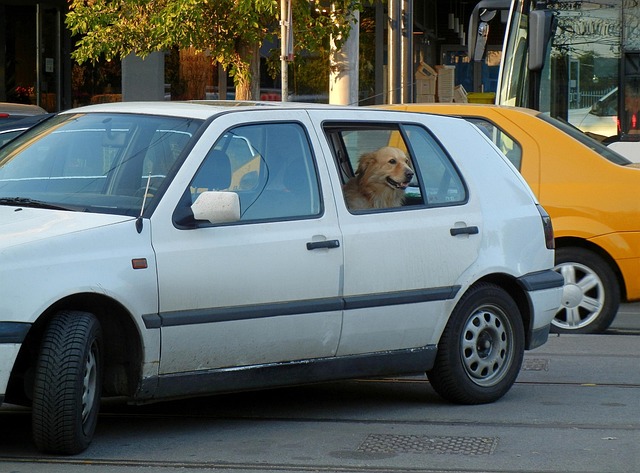
Dogs experience the world primarily through scent, and a moving car provides a constantly changing array of smells. Even short drives can expose dogs to a far greater variety of scents than a long walk in the yard. Each turn, stop, or passing vehicle introduces new odors—from food scraps and other animals to the environment itself. This constant olfactory stimulation can be enriching and exciting, which explains why some dogs become restless or alert when the car windows are open.
Predictable Positive Outcomes
Dogs are skilled at recognizing patterns and forming associations. When car rides regularly lead to enjoyable experiences, such as visits to a park or short adventures, dogs begin to associate the car with positive outcomes. Conversely, dogs that have only experienced stressful trips—such as visits to the veterinarian or boarding facilities—may show anxiety or resistance when the car appears. In these cases, it is not the car itself but the predicted outcome that drives the dog’s reaction.
Motion Can Be Calming
For some dogs, the gentle, consistent motion of a vehicle can produce a calming effect. The sensation of movement, similar to rocking or vibration, may reduce mild anxiety or restlessness in certain pets. While this does not apply to dogs prone to motion sickness, it can be helpful for some senior dogs or pets with nighttime restlessness. Short, controlled drives can provide soothing stimulation without overwhelming the dog.
Proximity and Attention
Car rides also offer dogs uninterrupted proximity to their owners. The confined space allows pets to focus on their human companions without external distractions, which can be especially appealing for dogs that are socially cautious or easily overwhelmed. In these cases, the enjoyment comes less from the destination and more from shared time and attention.
Common Mistakes by Owners
Several common mistakes can reduce a dog’s enjoyment or even create negative associations with car rides:
-
Assuming all dogs enjoy rides: Not every dog likes the car. Forcing a pet who experiences motion sickness or stress can create lasting aversion.
-
Encouraging chaotic behavior: Allowing dogs to jump freely, stick their head out at high speeds, or associate rides only with high-energy activities can create unsafe habits.
-
Neglecting gradual exposure: Dogs often benefit from calm entry, secure seating, and short, low-stimulation trips before longer drives.
Treating car rides as a learned skill rather than a fixed preference helps dogs build positive associations safely and comfortably.
Understanding the Motivation
Dogs enjoy car rides because they provide intense sensory stimulation, predict positive experiences, can soothe some pets through motion, and offer a close connection to their owners. Aligning these factors responsibly ensures the ride is enjoyable while minimizing risks such as stress, motion sickness, or injury.
When a dog shows reluctance or anxiety, the solution is not to push harder but to adjust the experience so that the car becomes a source of comfort and enrichment.