
Cats are widely known for their love of routine and predictability. When faced with a car ride, many cats respond with fear, stress, or even aggression. Unlike dogs, who may enjoy travel or view it as an adventure, cats experience car rides as a combination of unfamiliar sensations, confinement, and lack of control. Understanding why cats react this way helps owners make safer, more informed choices about travel.
Stress Begins Before the Car Moves
Cats often start to feel stressed long before the engine starts. The sight of a carrier alone can trigger anxiety because cats quickly associate carriers with events like veterinary visits or moving. A cat may hide, freeze, or display signs of heightened alertness the moment the carrier is brought out. Even when a cat appears calm, a stiff posture or wide pupils often indicate silent stress. Recognizing these early signs is crucial to prevent escalation.
Motion Sickness and Physical Discomfort
Some cats experience genuine nausea during car rides. Symptoms such as drooling, repeated lip licking, vomiting, or sudden quietness with dilated pupils can indicate motion sickness.
Physical discomfort often combines with fear, intensifying the cat’s negative response. Adjustments like repositioning the carrier, limiting food before travel, and, in some cases, using veterinarian-recommended medication can reduce discomfort and improve tolerance.
Lack of Familiarity and Routine
Cats usually experience car travel infrequently, most commonly for veterinary appointments or relocation. Unlike dogs, who may have regular exposure to car rides, cats rarely have opportunities to build familiarity. A car is a moving, noisy, and unpredictable environment that lacks the familiar scents and routines cats rely on. Without gradual exposure, travel remains stressful and confusing.
Loss of Control
Cats rely heavily on control over their environment to feel secure. Being confined in a carrier removes the ability to choose hiding spots, adjust position, or escape perceived threats. Combined with vibrations, unusual sounds, and unfamiliar scents, the lack of control heightens anxiety. Covering a carrier with a towel or blanket can create a sense of security, reducing stress without eliminating necessary confinement.
Sensory Overload
Cats have acute senses, particularly hearing and smell. A vehicle introduces sounds, vibrations, and odors that can be overwhelming. Engine noise, road vibration, fuel, and plastic or upholstery scents create a chaotic sensory environment compared to a calm home. For cats sensitive to sound or motion, these stimuli contribute significantly to their aversion.
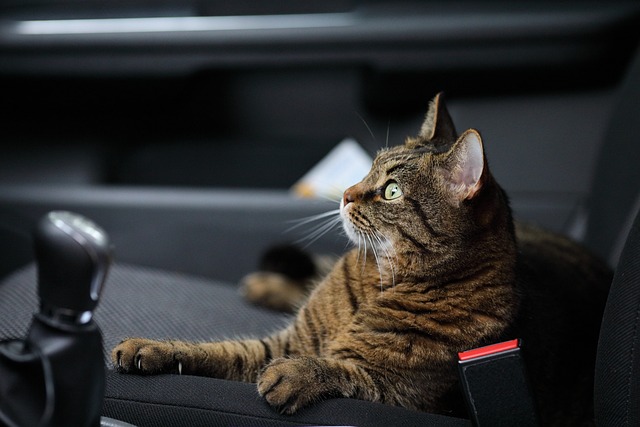
Association with Veterinary Visits
Many cats associate car travel with veterinary procedures, including vaccinations, nail trims, and blood draws. These experiences are stressful, even under routine care. The cat’s response is not a dislike of the vehicle itself but a conditioned reaction to a sequence of events that often ends in discomfort. Repeated negative associations reinforce the cat’s anxiety and resistance.
Common Mistakes by Owners
Certain behaviors can worsen a cat’s stress in transit:
-
Allowing a cat to roam freely in the vehicle, which is unsafe and often increases fear.
-
Bringing out the carrier only at travel time, which reinforces negative associations.
-
Opening the carrier during stops to calm the cat, which can lead to unsafe escapes or panic.
Creating a stable, predictable environment with the carrier present in the home and properly secured in the car helps prevent stress escalation.
Strategies to Reduce Travel Stress
While not every cat will enjoy travel, many can tolerate it with the right measures:
-
Gradually acclimate cats to carriers by leaving them accessible at home with familiar bedding.
-
Secure the carrier to prevent sliding and cover it partially to create a safe hiding space.
-
Use short practice rides to help cats adjust to movement and sound.
-
Introduce familiar scents or pheromone sprays inside the carrier.
-
For severely stressed cats, discuss veterinarian-recommended anti-anxiety or motion-sickness medication.
These steps do not eliminate stress entirely but can make car travel safer and more manageable for both cats and their owners.
Responsible Decision-Making
Cats do not dislike car rides out of spite; their reactions are grounded in stress, unfamiliarity, sensory overload, and previous negative experiences. Owners who understand these factors can take proactive steps to reduce risk, improve wellbeing of cats, and make travel safer. For cats who remain highly anxious, limiting unnecessary travel and using preventive strategies ensures the best balance of safety and comfort.