
A Perspective from a Professional Animal Behaviorist
I’ve spent more than a decade working as a certified animal behaviorist, consulting with working-dog programs, including scent-detection and disaster-response training groups. Because The Last of Us series features infected humans, fungus-based transmission, and occasionally dogs used for scent work, I get this question surprisingly often: Are dogs immune in The Last of Us?
Short answer: In the world presented by the games and the show, dogs appear unaffected by the Cordyceps infection, and based on the behavior systems shown, they function as detectors rather than hosts. From my professional standpoint, the way they’re portrayed is actually consistent with what I’ve seen real dogs capable of in high-stress environments.
How the series portrays dogs
Dogs were shown to be noticeably calm around infected zones unless they are actively used as scent animals. They aren’t depicted as turning into coughing spores or showing progressive neurological decline the way humans do. They work, rest, and usually behave.
As someone who studies behavior signals daily, “normal behavior” stands out to me more than anything. No altered gait, no compulsive movements, no loss of appetite, no defensive reactivity—all classic markers you’d expect in a neurologically compromised dog are absent.
That creative choice signals immunity or, at the very least, non-susceptibility within the story’s biology.
Why dogs might be immune in that universe
Cordyceps in The Last of Us is built around human-specific neurological takeover. Real-world fungi are often highly species-specific. I’ve worked with agricultural veterinarians who treat livestock affected by fungal toxins, and we routinely see significant differences between species living in the same barn. One animal becomes dangerously sick while another shows nothing but mild digestive issues.
That species-specificity concept is reflected in the series.
The infected are explicitly human. Dogs move freely among characters without risk, and no one treats them as bite-risk vectors the way they treat humans.
What I’ve learned from real detection dogs relevant to the show
I’ve worked hands-on with scent dogs trained to alert on:
- mold
- Specific medical odors like low blood sugar
- post-disaster victim scent
The scene in The Last of Us where dogs are used to detect infection resonated with me more than it did most viewers. A dog I helped evaluate for a search-and-rescue program a few years ago could distinguish between human decomposition odor and live-scent signatures in a debris field. The conditions were hot, loud, and unstable, and the dog still worked confidently.
Watching dogs calmly identify infected individuals in the series felt extremely believable from that standpoint. Real dogs absolutely can learn “this odor means danger,” and they don’t moralize or hesitate—they read scent and respond.
A few practical observations from my field work
I’ve taken dogs into environments that would overwhelm most people—flooded buildings, burned structures, damp basements full of rot. Dogs handle fungal smells far more matter-of-factly than we do. They don’t get spooked by the concept; they respond to scent as information.
A couple of memories stand out.
- A family brought me a shepherd mix that refused to enter one particular room in their house after significant water damage. The dog wasn’t “anxious”; it had simply learned the mold-heavy odor meant discomfort.
- In disaster response training, I’ve seen dogs trot through clouds of dust and organic smells that made handlers quickly mask up, yet the dogs remained unfazed.
Both experiences made the Last of Us portrayal of detection dogs feel grounded, even though the infection itself is fictional.
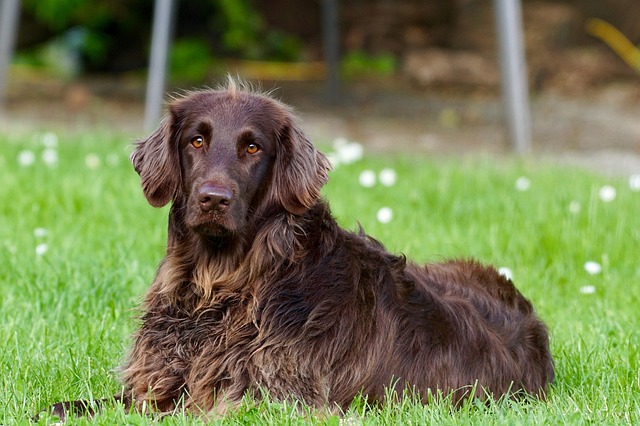
Could dogs realistically get infected if this were real?
Professionally, I’d say species barriers matter. Many fungi require specific temperatures, immune profiles, and tissue types to invade. Dogs don’t replicate human neurological pathways closely enough for a human-targeted neurofungus to jump species automatically.
I’ve seen owners mistakenly assume that all pathogens behave uniformly across species—a common mistake. Someone will panic because their dog licked medication meant for humans, or they’ll take a canine cough that works like a human flu. In reality, transmission lines are messy and very case-specific.
So the franchise’s decision to keep dogs uninfected feels scientifically plausible within its own rules.
My opinion as both a behaviorist and a fan
From my perspective, making dogs immune accomplishes two meaningful things:
- It supports believable world-building based on species-targeted infection.
- It preserves dogs’ role as emotional anchors and working partners, which mirrors real life.
I’ve watched people in crisis lean on dogs in remarkable ways—through fire displacement, evacuation centers, and medical recovery. Seeing characters in The Last of Us do the same felt honest.
If the writers had portrayed infected dogs attacking humans, the story would have become chaotic noise instead of controlled dread. Immune dogs add clarity and hope.
So, are dogs immune in The Last of Us?
Within the logic of the games and shows, yes—dogs appear immune or at least non-susceptible.
As someone who regularly works with working dogs, their behavior, scent-work role, and lack of neurological decline all support that conclusion. And given the species-specific nature of the fungi I’ve seen in real veterinary collaborations, that portrayal makes more sense than many viewers realize.
The idea of dogs staying healthy while humans fall apart isn’t just dramatic writing. It mirrors the resilience and steadiness I’ve seen countless times in real animals standing beside people through very dark moments.