Many dog owners scan ingredient lists with care, trying to make sense of what truly supports their pet’s health. Potatoes often raise questions. Some people worry they are unhealthy fillers, while others see them as a safe alternative to grains. The concern is understandable. Diet plays a direct role in digestion, weight, energy levels, and long-term wellbeing, and unclear information can make responsible choices harder.
Potatoes are not automatically harmful to dogs. Like most ingredients, their safety depends on form, quantity, and how they fit into the overall diet.
Why Potatoes Are Used in Dog Food
Potatoes are commonly included as a carbohydrate source. They provide energy, along with small amounts of fiber and certain vitamins. In commercial dog food, potatoes are typically cooked and processed, which makes them easier to digest and removes naturally occurring toxins.
They are also frequently used in grain-free formulas. For dogs with specific sensitivities to certain grains, potatoes can serve as an alternative energy source without triggering digestive discomfort.
When Potatoes Can Become a Problem
The risks associated with potatoes are usually related to preparation and balance, not the ingredient itself.
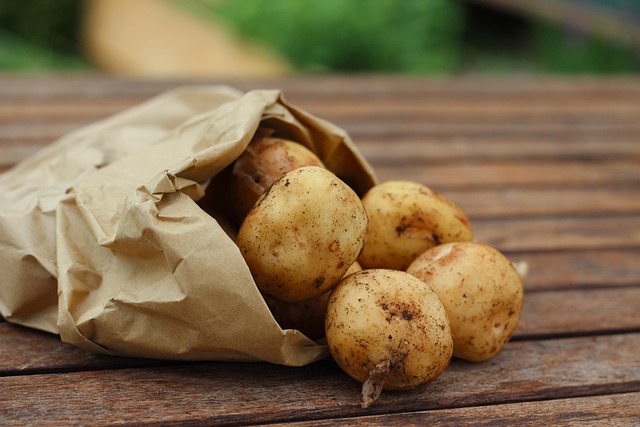
Raw or undercooked potatoes contain solanine, a natural compound that can cause gastrointestinal and neurological symptoms in dogs if consumed in sufficient amounts. Commercial dog foods do not use raw potatoes, but problems can arise when dogs are given uncooked potato scraps at home.
Another concern is excessive carbohydrate intake. Dogs require carbohydrates, but they thrive best on diets where protein and fat remain the primary energy sources. Diets overly reliant on potatoes or other starches can contribute to weight gain, especially in dogs with lower activity levels.
Potatoes can also displace more nutritionally valuable ingredients if they appear too high on an ingredient list. This does not make the food unsafe, but it may reduce its overall nutritional quality.
Grain-Free Does Not Mean Risk-Free
A common misunderstanding is that grain-free diets are always healthier. Potatoes often replace grains like rice or corn, but this substitution does not automatically improve a food’s nutritional profile. Some grain-free diets rely heavily on potatoes and legumes, increasing starch content without increasing protein quality.
Dogs do not benefit from labels alone. What matters is whether the food is balanced, appropriately portioned, and suitable for the dog’s age, size, and activity level.
Common Owner Mistakes
Well-intentioned owners sometimes assume that all plant-based ingredients are either harmful or harmless. Both assumptions can lead to poor decisions. Feeding raw potatoes, offering excessive table scraps, or choosing a food based solely on marketing terms can unintentionally increase health risks.
Another frequent mistake is focusing on a single ingredient instead of the full formulation. A dog’s health depends on how nutrients work together, not on whether one carbohydrate source is present or absent.
The Safest, Most Responsible Choice
Potatoes in dog food are generally safe when they are cooked, properly processed, and used in moderation as part of a balanced formula. They should support the diet, not dominate it.
Pet owners are best served by reading ingredient lists carefully, paying attention to protein sources, and choosing foods formulated to meet established nutritional standards. Individual dogs may have unique needs, so diet changes should be made thoughtfully and with professional guidance when necessary.
A careful, informed approach helps ensure that ingredients like potatoes contribute to a dog’s health rather than undermining it. Responsible feeding is less about avoiding specific ingredients and more about understanding balance, preparation, and the dog in front of you.