
What I Tell My Clients as a Small-Animal Veterinarian
I’m a licensed small-animal veterinarian who has performed nearly every week throughout my career. The surgery itself is routine in my practice, but the recovery your cat has at home makes a huge difference in how smoothly the recovery goes.
I’ve seen cats bounce back beautifully with a bit of preparation and attention, and I’ve also treated avoidable complications that started with “she seemed fine, so we let her…” Recovery care is not complicated, but it does benefit from clear expectations.
The first 24 hours: quiet and calm matter more than anything
Right after surgery, most cats are groggy, wobbly, or simply “not themselves.” That’s the anesthesia leaving the system. I always tell owners to treat the first night like caring for a slightly drunk athlete who really wants to jump on top of the fridge again.
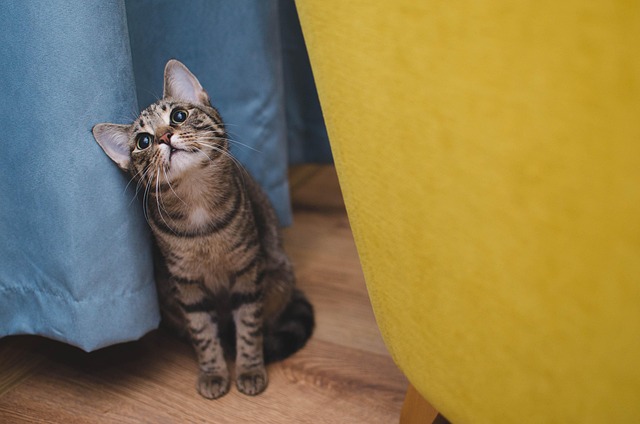
Your cat should have a confined, quiet space: a small room or large crate is ideal. I’ve gone on house calls where a cat was allowed free run of the home too soon and reopened her incision after leaping onto a window ledge. The owner felt terrible, and we had to place staples and a cone that she had tried to avoid earlier. Rest prevents that story from being yours.
Expect:
Slightly reduced appetite
A bit of wobbliness
Preference for sleep and hiding
What I don’t want to see is persistent vomiting, pale gums, continuous bleeding, or extreme lethargy that doesn’t improve by the morning. Those are rare, but they warrant a phone call to your vet right away.
Prevent licking — this is the number one mistake I see
If I had to choose the single most significant cause of complications after spaying, it would be licking the incision. Cats are fastidious by nature, and they view the surgical site as something “that needs cleaning.” Unfortunately, licking introduces bacteria and breaks down sutures.
Early in my career, I treated a young indoor cat whose owner removed the cone because she “felt bad for her.” By the next afternoon, the incision was swollen and red, and we ended up sedating the cat to clean and re-suture the wound. That whole experience could have been avoided.
Use an e-collar or comfortable soft recovery collar for the full duration your veterinarian recommends — usually 10–14 days. If your cat looks miserable, don’t compromise by removing it; instead, ask your vet about better-fitting collars or post-surgical suits. There’s always a workable solution.
Activity restriction isn’t optional, even if she acts normally.
Cats recover quickly and often act “totally fine” by the second day. That confidence is deceptive. I’ve had athletic young cats jump, sprint, and stretch fully within 48 hours of surgery — and their owners thought that meant recovery was complete.
Internally, healing takes much longer.
I advise:
No jumping to high surfaces
No rough play with other pets
No unsupervised outdoor access
Controlled movement for 10–14 days
One family I worked with blocked stair access with baby gates for two weeks after their particularly energetic cat was spayed. They told me later that it felt excessive until they watched her try to bolt after a bird through a window. They were grateful the restriction was already in place.
Medication: Stick to what your veterinarian provided
Use only the pain medication prescribed by your veterinarian. Human pain relievers — including everyday over-the-counter products — can be extremely dangerous to cats. I’ve treated accidental poisonings that started with good intentions.
If your cat still seems in pain despite the prescribed meds, don’t add anything yourself. Call the clinic. Very minor adjustments or different medications can make a big difference, but that decision belongs with your vet, not the internet and not guesswork.
Keep the incision clean and boring-looking
A healing spay incision should look dull. Closed. Not very interesting.
I tell people to check it twice a day. You don’t need to scrub or soak it; look. You’re watching for:
Increasing redness after the first day or two
Swelling that seems to grow rather than shrink
Thick discharge or a strong odor
Open gaps in the incision line
A bit of bruising or a firm line under the skin can be normal — especially in more muscular cats — but anything that’s getting progressively worse is worth a call. One client sent us a photo after noticing a subtle “puffiness” that wasn’t there the day before. We caught a minor developing infection early and avoided a much more serious problem because she was paying attention.
Avoid baths, wipes, hydrogen peroxide, or ointments unless specifically instructed to use them. Clean, dry, and untouched heals best.
Eating, drinking, and litter box habits
Most cats don’t eat much the first evening; anesthesia and travel stress can suppress appetite temporarily. By the following day, I expect some interest in food. Offer small meals instead of a large one. If your cat refuses all food for more than 24 hours after going home, it’s worth contacting your vet.
Litter box use should continue as normal. If your cat is straining to urinate or defecate and producing nothing, or if you see blood clots beyond a faint tinge in the urine on the first day, call the clinic. These are uncommon issues, but they’re easier to address early.
Keep other pets and children from “helping.”
One thing people underestimate is how curious other animals — and children — can be about a recovering cat. I’ve seen dogs try to lick a cat’s incision (which absolutely doesn’t help), and I’ve watched playful resident cats pounce their recovering housemate out of habit.
If you have a busy household, separation is often the kindest option. A spare bedroom for a week feels small in the moment, but prevents conflicts, stress, and rough play during healing.
Know what is normal — and what is not.
Normal after spaying:
Sleepiness for a day or so
Mild appetite decrease on the first evening
Small shaved area on the belly
A clean, closed incision
Not normal and worth a call:
Strong or worsening odor from the incision
Persistent vomiting
Continued bleeding or significant swelling
Lethargy that doesn’t improve by the next day
Feverish feeling or refusal to move
I’ve had clients apologize for “bothering” us with minor concerns, and more often than not, I tell them they did the right thing precisely. Quick reassurance or prompt treatment both come from the same place: reaching out.
My honest opinion after years of doing this
Spaying is one of the most beneficial surgeries I recommend — it prevents pyometra, eliminates heat cycles, and helps reduce unwanted litters. But the surgery isn’t the whole story. Good home care is part of the procedure, not an afterthought, in my mind, in my mind.
The cats who heal the smoothest have owners who do a few simple things: restrict activity, prevent licking, give prescribed pain meds as directed, and keep an eye on the incision without fussing over it. The process isn’t glamorous, but it works.
Most cats are back to their usual selves — safely, solidly healed — before you realize two weeks have passed. And as someone who’s guided hundreds of owners through those two weeks, I can say that your calm, steady attention is the best medicine they get after surgery.