
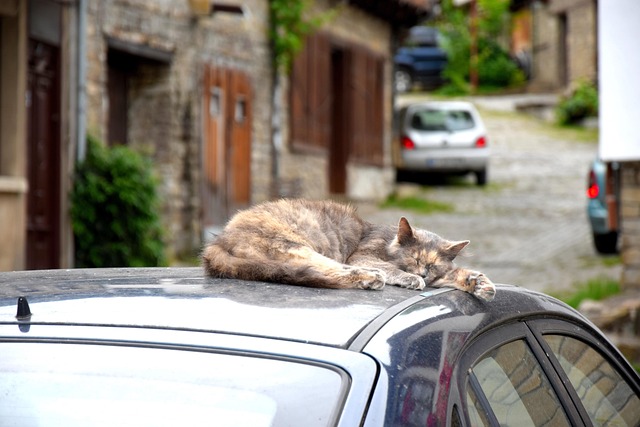
Many pet owners have noticed a cat resting beneath a parked car or lingering near the back of a vehicle on a cold morning. At first glance, it may seem harmless. Cats seek warmth. Cars produce heat. The connection appears simple.
But the reality is more complex. Car exhaust systems can pose real risks to cats, even after the engine has been turned off. Understanding why this behavior happens—and what can go wrong—helps owners make safer, more informed decisions.
Why Cats Are Drawn to Cars
Cats are naturally attracted to warmth. Their normal body temperature runs higher than that of humans, and they conserve energy by resting in warm environments. During colder months, a recently driven car provides an accessible heat source.
The exhaust pipe, undercarriage, and engine components retain heat for a significant period after the vehicle is parked. To a cat, this warmth can feel like a heated bed.
Cars also offer:
-
Shelter from wind and rain
-
Concealment from predators
-
A quiet, enclosed resting space
This behavior is not reckless or unusual. It is a predictable response to environmental conditions.
Is It Safe?
No. Resting on or near a car exhaust system is not safe for cats.
The risks are often underestimated because the danger is not always visible. A car may look inactive, but metal components can remain hot enough to cause injury long after the engine is shut off.
Even brief contact with a hot exhaust pipe can cause burns. Prolonged exposure increases the risk.
Burn Injuries: How They Happen
Exhaust systems are designed to carry extremely hot gases away from the engine. These gases can heat metal parts to temperatures capable of causing skin damage within seconds.
If a cat:
-
Presses a paw against a hot pipe
-
Curls its tail around warm metal
-
Lies directly beneath heated components
the result can be superficial or deeper burns.
Burns may appear as:
-
Reddened skin
-
Singed fur
-
Blisters
-
Limping or sensitivity when walking
Because cats often groom themselves, irritated areas can worsen through licking.
Respiratory Irritation from Fumes
Even after the engine is turned off, residual exhaust fumes may linger in confined areas such as garages or narrow driveways.
Car exhaust contains carbon monoxide and other byproducts of combustion. In open air, brief exposure is unlikely to cause severe poisoning. However, repeated or prolonged exposure—especially in enclosed spaces—can irritate a cat’s respiratory system.
Signs of irritation may include:
-
Coughing
-
Sneezing
-
Watery eyes
-
Lethargy
In extreme cases, especially in poorly ventilated areas, carbon monoxide exposure can become dangerous.
The Hidden Risk: Starting the Engine
One of the most serious dangers occurs when a cat is resting beneath a vehicle and the engine is started unexpectedly.
A frightened cat may panic and injure itself while escaping. In some cases, animals can be struck by moving parts or become trapped.
This risk increases during:
-
Cold early mornings
-
Winter evenings
-
Neighborhoods with outdoor or community cats
The vehicle owner may not realize an animal is underneath.
Common Misunderstandings
Several assumptions lead owners to underestimate the hazard.
“Cats instinctively avoid hot surfaces.”
Cats can sense heat, but they do not always judge surface temperature accurately. Warmth that feels comfortable at first may still be hot enough to cause injury.
“The car has been off for a while, so it must be cool.”
Exhaust components can retain heat far longer than expected, especially after longer drives.
“This only happens to stray cats.”
Owned outdoor cats are just as likely to seek warmth under vehicles. The behavior is driven by environment, not ownership status.
“It’s rare, so I don’t need to worry.”
While severe injuries are not daily events, they occur often enough that simple preventive steps are justified.
Mistakes Owners Commonly Make
Well-meaning pet owners sometimes:
-
Assume their own cat would not hide under a vehicle
-
Forget to check beneath the car before starting it
-
Leave cars cooling inside closed garages with pets nearby
-
Fail to provide alternative warm resting spots
These actions are usually based on convenience or routine, not neglect. Awareness changes outcomes.
Practical Prevention
Prevention is straightforward and does not require major changes.
Before starting a parked vehicle:
-
Look around and briefly check underneath
-
Tap the hood or gently knock on the car body
-
Wait a few seconds before ignition
These small actions allow hidden animals time to move away.
For cat owners, providing safer alternatives reduces the appeal of vehicles. Options include:
-
Insulated outdoor shelters
-
Elevated resting platforms away from cars
-
Weather-protected bedding areas
If a cat consistently seeks warmth near vehicles, it may indicate that its current shelter is insufficient.
Outdoor Cats and Environmental Planning
Owners who allow cats outdoors should assess the broader environment.
Questions to consider:
-
Is the yard exposed to wind?
-
Are there multiple parked vehicles nearby?
-
Are there enclosed garages where fumes could accumulate?
Reducing access to high-risk areas and improving safe resting zones helps prevent injury without restricting natural behavior more than necessary.
When to Seek Veterinary Care
If a cat has been near a hot exhaust and shows signs such as limping, burned fur, redness, coughing, or unusual fatigue, veterinary evaluation is appropriate.
Burns can worsen over time. Respiratory irritation may not be obvious immediately. Early assessment prevents complications.
A Preventable Hazard
Cats are drawn to warmth because it supports their comfort and energy conservation. A parked car provides heat, shelter, and concealment—all attractive features from a feline perspective.
However, hot metal, lingering fumes, and the sudden movement of a vehicle introduce avoidable danger. The risk is not dramatic, but it is real.
Simple habits—checking before starting the engine, providing safe warmth, and understanding feline behavior—greatly reduce the chance of injury. Thoughtful prevention protects both pets and vehicles, reinforcing responsible care built on awareness rather than assumption.