
Perspective of a Small-Animal Veterinarian
I’m a small-animal veterinarian who has spent many years seeing dogs just before and after car rides. Owners often apologize as their dogs hop out of the car with wet chests and soaked seat covers, asking me why their calm house pet turns into a drooling mess on the road. I’ve wiped down many exam room floors and more than a few shoes, and I can tell you: car slobber is common, but it usually has a clear reason.
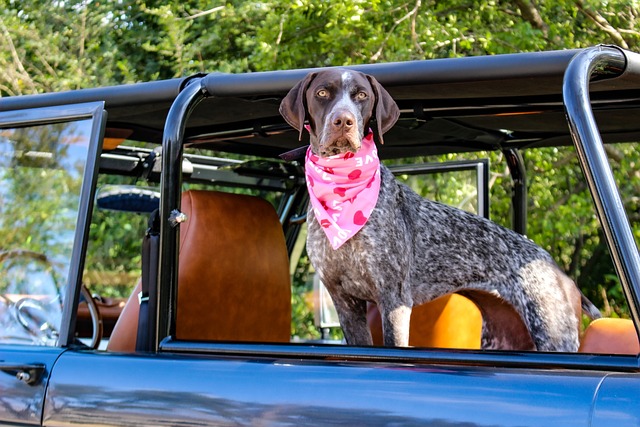
Motion sickness is the most frequent culprit.
The most frequent cause I see is plain motion sickness. The inner ear senses movement that the eyes can’t quite match, and the body reacts with nausea. Dogs can’t continuously vomit right away, so their bodies prepare for it by producing excessive saliva. That saliva ends up as drool strings on your console, window, or arm.
One case that stays with me involved a young Labrador brought in by a family after a long highway trip. The dog wasn’t anxious or fearful; he loved people and wagged nonstop in the exam room. But the moment they described his car behavior — lip licking, heavy drooling, swallowing repeatedly, followed by vomiting — it was clear his stomach didn’t agree with the ride. Once we practiced shorter trips, cracked windows for airflow, and adjusted feeding times, the “waterfall mouth” episodes dropped dramatically.
I see this most often in young dogs, especially those who haven’t had many calm, positive car experiences. Many grow out of it as their bodies mature, but some never do entirely.
Stress and anticipation both trigger drooling
Not all drooling is nausea. Sometimes it’s stress; sometimes it’s excitement. Both trigger similar body responses.
I’ve treated many dogs who only ride in the car to go to the clinic, and they recognize the route far sooner than owners expect. I’ve watched dogs start drooling the moment they turn into our parking lot, long before the exam even begins. That isn’t sickness — that’s anxious anticipation built from past experiences. Their heart rate rises, their breathing changes, and their salivary glands follow suit.
On the other hand, I remember a border collie who drooled just as much while headed to the lake to chase frisbees. He whined, wiggled, spun in circles in the back seat, and produced enough slobber to soak a towel. That was pure excitement. His owners thought something was medically wrong. The “problem” disappeared once they taught him to settle in a secured harness and stopped hyping the trip beforehand.
The body doesn’t always differentiate between “I’m worried” and “I’m so excited I can’t sit still.” Both can lead to slobber.
The car itself can make it worse.
People often underestimate how much the car environment contributes. Heat, poor airflow, strong smells, and cramped space can push a dog from mildly uneasy to drooling nonstop.
In my experience, dogs sitting in back seats with no air circulation drool far more than those with a window slightly open or air vents pointed toward them. I’ve also noticed leather seats make some dogs slip around, which increases anxiety and, again, saliva. Add in air fresheners or lingering food smells, and you have an overstimulating box on wheels.
Brachycephalic breeds — bulldogs, pugs, boxers — already have long, soft palates and narrow airways. They pant harder to cool themselves, which dries their mouths and stimulates even more salivation afterward. They don’t need to be sick or scared to drool heavily in a warm car.
Health issues occasionally play a role.
Most car slobbering is behavioral or motion-related, but not all of it is. Dental disease, oral pain, nausea from unrelated medical conditions, or throat problems can show up first during a car ride simply because stress amplifies symptoms.
I once examined an older spaniel whose family thought he suddenly “hated the car.” He’d begun drooling heavily only during rides. On exam, he had a badly infected molar. Once that tooth was treated, the “car problem” disappeared. The car wasn’t the cause; it was just the place where symptoms became impossible to ignore.
So if drooling suddenly appears in a dog who previously rode comfortably, or is accompanied by lethargy, refusal to eat, pawing at the mouth, or foul odor, I lean toward a physical exam rather than assuming nerves.
What I usually recommend to owners
I suspect my advice depends on the cause, and that decision mostly comes from watching the dog and listening to how the drooling starts.
If a dog is motion-sick, I suggest shorter practice rides, avoiding feeding right before travel, securing the dog so the body moves less, and letting them face forward where the visual horizon is stable. Many dogs improve dramatically with something as simple as a well-fitted, crash-tested harness, rather than sliding around freely.
For anxious dogs, I push for calm conditioning. I’ve had success asking owners to sit in the parked car with the dog, then progress to starting the engine, then slow neighborhood loops with no destination stress attached. Treats, calm voices, and zero rushing help enormously. For those genuinely panicking, I am not shy about prescribing anti-anxiety or anti-nausea medication. Used appropriately, they make car travel safer and kinder rather than “spoiling” the dog, despite what some people fear.
And yes, sometimes the fix is as ordinary as better ventilation and removing overpowering car fragrances.
Common mistakes I see again and again
Owners often assume a drooling dog is being “dramatic” or “stubborn.” I’ve seen kids tease dogs in the back seat to “toughen them up,” which only cements fear. I’ve also seen well-meaning people force long trips on dogs that are clearly overwhelmed. Those dogs rarely improve; they associate the car with misery.
Another frequent mistake is offering food during the ride to distract from drooling. With nauseous dogs, this almost guarantees vomiting later, usually on upholstery you didn’t want ruined in the first place.
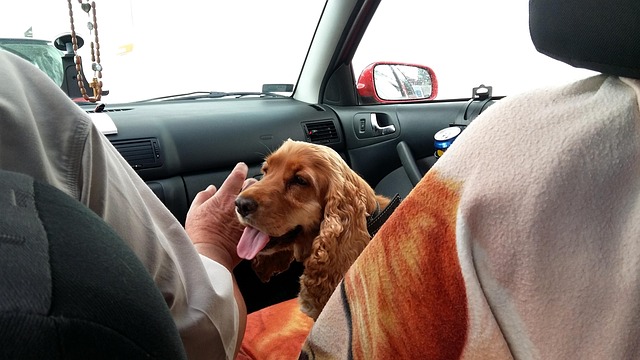
Final thoughts from years in the exam room
Dogs slobber in the car because their bodies are responding to movement, emotion, or discomfort. It isn’t disrespect. It isn’t bad behavior. It’s physiology showing up inconveniently.
From what I’ve seen in practice, most dogs can become comfortable travelers with patience, calm training, and the proper setup. A few truly need medical help, and they do far better once owners stop waiting for them to “grow out of it.”
If your dog’s car rides leave the seats wet and both of you miserable, don’t ignore it. Slobber is a message. My job has been helping people learn what it’s saying — and most of the time, the solution is kinder and simpler than they expect.