
From the perspective of a licensed veterinarian practicing in Texas
I’ve been practicing small-animal medicine in Texas for well over a decade, and if there’s one pattern I’ve learned to take seriously, it’s unexplained weight loss in senior cats. When a 16-year-old cat starts getting thinner, that’s rarely a harmless sign of “just aging.” In my exam room, it’s often the first visible clue that something deeper is going on.
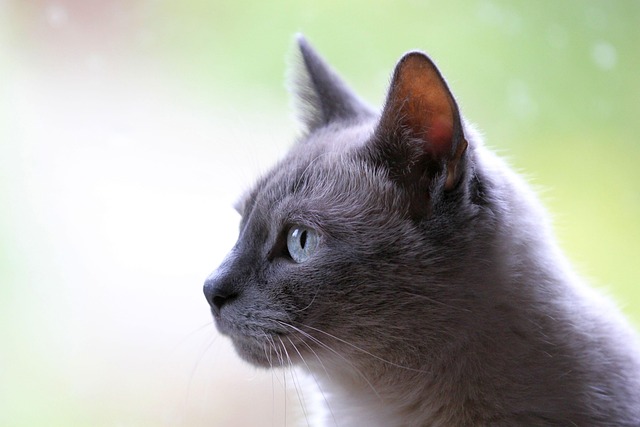
I still remember a grey domestic shorthair I saw a few summers ago. His owner brought him in because she noticed his spine felt sharper when she picked him up. He was still eating, still demanding his spot by the window, but the scale told a different story. He’d lost enough weight that I knew we couldn’t chalk it up to muscle loss alone.
That visit changed how she looked at his daily habits, and it reinforced something I tell nearly every senior-cat owner: subtle changes matter more as cats get older.
What “normal aging” really looks like—and what it doesn’t
Yes, senior cats do lose some muscle mass with age. I see it most clearly in the hind legs and along the back. But gradual muscle thinning over the years is different from noticeable weight loss over months. In my experience, owners often miss the early signs because cats are small, furry, and very good at hiding change.
A common mistake is assuming a picky appetite is the cause. I’ve had clients switch foods repeatedly, adding toppers and treats, only to realize later that the real issue wasn’t the food at all. If a 16-year-old cat is losing weight despite eating reasonably well, I start thinking medically first, not nutritionally.
The conditions I see most often in practice
I don’t approach senior weight loss with a generic checklist. I think back to similar cases I’ve handled and what we uncovered.
Hyperthyroidism is high on that list. I’ve diagnosed it countless times in older cats who were losing weight but acting hungrier than ever. One orange tabby comes to mind who screamed for food all day and still dropped pounds. His heart rate was fast, his coat looked rough, and his bloodwork confirmed what I suspected. Once treated, his weight stabilized, and his behavior settled noticeably.
Kidney disease is another frequent culprit. I see it weekly. Cats with chronic kidney disease often eat less, drink more, and slowly waste away. Sometimes, the weight loss is the very first sign an owner notices. I recall a cat whose owner thought he was “just slowing down.” In reality, his kidneys were already struggling, and the scale helped us catch it earlier than we might have otherwise.
Cancer is the diagnosis everyone fears, and while it’s not the most common cause, it’s one I never ignore. Intestinal lymphoma, for example, can cause slow, steady weight loss with vague symptoms. I’ve had cases where the only initial complaint was that the cat felt lighter.
Dental disease also deserves mention. I’ve looked into the mouths of senior cats who hadn’t had a dental exam in years and found severe pain. One 16-year-old cat I treated had lost weight simply because chewing hurt. After dental treatment and pain management, his appetite rebounded more than his owner expected.
Why appetite alone doesn’t tell the whole story
One thing I emphasize in the exam room is that appetite and weight aren’t the same measure. I’ve seen cats eat enthusiastically and still lose weight. I’ve also seen cats eat less because nausea, pain, or metabolic disease makes food unappealing.
There was a case last spring where an owner insisted her cat couldn’t be sick because he “never missed a meal.” Bloodwork showed otherwise. His thyroid levels were elevated, and his body was burning calories faster than he could replace them. Without testing, we would’ve missed it.
What I look for during an exam
When a 16-year-old cat comes in for weight loss, my hands tell me as much as my stethoscope. I check muscle condition, not just body fat. I carefully examine the abdomen for masses or thickened intestines. I listen for murmurs or rapid rhythms that may point to thyroid disease.
I also ask detailed questions. Has the litter box changed? Is the cat drinking more water? Has vomiting become more frequent, even if it’s “just hairballs”? Owners sometimes mention these details casually, not realizing how much they matter.
Diagnostic testing: where I draw the line
I’m not aggressive without reason, but I am firm about baseline testing in senior cats. Bloodwork and urine testing give me information I can’t get any other way. In my practice, these tests have repeatedly changed the direction of care.
I’ve had owners hesitate, thinking testing won’t change the outcome. In many cases, it absolutely does. Even when a condition isn’t curable, identifying it allows us to manage symptoms, slow progression, and improve comfort. I’ve seen cats gain weight back simply because we addressed nausea or adjusted their diet based on lab results.
Feeding mistakes I see again and again
One of the most common missteps is free-feeding dry food and assuming intake is adequate. Senior cats often need more calorie-dense, highly digestible diets. I’ve also seen well-meaning owners restrict food because they worry about vomiting, which only worsens weight loss.
Another mistake is ignoring home weigh-ins. I encourage clients to weigh their cats periodically, even if it means stepping on a scale with and without the cat. Numbers don’t lie, and minor losses add up.
When weight loss becomes an emergency in my eyes
If a senior cat is losing weight rapidly, becoming lethargic, or showing changes in breathing or behavior, I don’t advise waiting it out. I’ve seen cats decline quickly once they cross a certain threshold. Early intervention almost always gives us more options.
There was a case a few years back where an owner waited several months because her cat “seemed fine otherwise.” By the time she came in, the cat was severely underweight and dehydrated. We did what we could, but I often think about how different that outcome might have been if we’d seen him sooner.
My professional perspective, plainly stated
In my experience, a 16-year-old cat losing weight is rarely a minor issue. Sometimes we find something manageable. Sometimes we uncover a serious condition. Either way, ignoring it seldom works in the cat’s favor.
I advise against assuming age alone is the explanation. I also advise against delaying veterinary care in the hope that a dietary change will solve everything. Senior cats don’t give us many obvious warning signs, and weight loss is one of the clearest.
I’ve watched many older cats maintain a good quality of life well into their late teens once we addressed the real reason behind their weight loss. Those cases stay with me, and they’re why I take this symptom seriously every single time it walks into my clinic.