
What I’ve Learned in Practice
I’ve been a licensed veterinarian for more than a decade, and a good chunk of that time has been spent in everyday exam rooms having the same conversation, just phrased a little differently each time: “Doctor, should I feed wet food or dry food?”
It sounds simple. It isn’t. I’ve seen cats thrive on both, struggle on both, and in many cases, do best on a thoughtful combination. What matters most isn’t loyalty to one camp, but understanding how each option actually affects a cat’s body in the real world.
How This Question Shows Up in Real Life
A few months ago, a middle-aged indoor cat presented with recurring urinary issues. The owner was doing everything “right” by popular advice: premium dry food, measured portions, and a clean litter box. But as we talked, it became clear that the cat barely drank water. Switching part of his diet to wet food didn’t fix everything overnight, but it significantly reduced flare-ups over the following months.
On the other end of the spectrum, I’ve worked with senior cats who refused wet food, no matter how many brands or textures we tried. One older cat I still remember would lick the gravy and walk away. For them, a carefully chosen dry food and multiple water stations around the house kept their weight stable and their labs acceptable well into old age.
Those are the situations that shape how I think about this debate.
The Hydration Factor (This Is Bigger Than Most People Realize)
Cats evolved to get most of their moisture from prey. In practice, that means many cats fed only dry food live in a mild state of dehydration. I don’t say that to scare people; I say it because I see the lab results and urinary histories.
Wet food naturally increases water intake. In my experience, this matters most for:
- Cats with a history of urinary crystals or blockages
- Cats are prone to constipation
- Older cats whose thirst drive has faded
I’ve seen owners try to “fix” this by adding water to dry food. Sometimes it works, sometimes the cat refuses to eat it. Wet food tends to be more reliable for hydration, especially in cats that already drink poorly.
Dry Food Isn’t the Villain It’s Made Out to Be
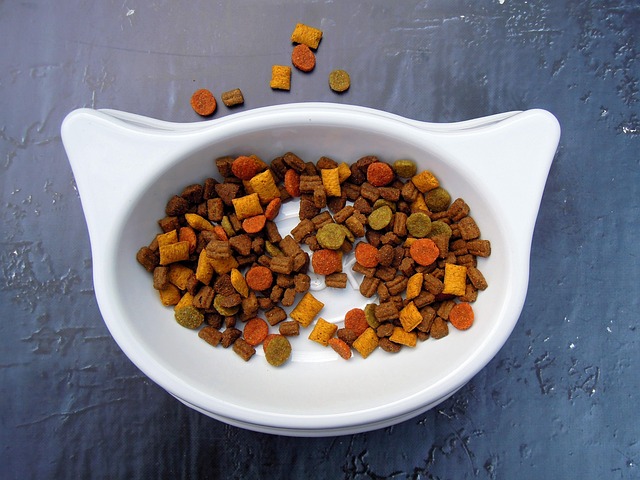
Dry food gets blamed for a lot, some of it deserved, some of it not. From a practical standpoint, dry food is consistent, easy to portion, and often more affordable. For multi-cat households, it can be the only realistic option.
I’ve also seen dry food work well for cats that graze slowly throughout the day. Wet food left out too long spoils, and not every owner can manage scheduled feedings. Dental benefits are often overstated, but specific prescription dry diets genuinely help with tartar when used correctly.
The biggest mistake I see is free-feeding dry food without realizing how calorie-dense it is. Weight gain sneaks up quietly. I’ve had owners swear they “don’t feed that much,” then we measure it together in the exam room and realize the bowl holds far more than they thought.
Palatability and Behavior Matter More Than Labels
Cats are opinionated eaters. Texture, smell, temperature, and even the shape of kibble can matter. I once had a cat recovering from illness who would only eat shredded wet food, slightly warmed. Another would eat pate but refuse chunks entirely.
From hands-on experience, wet food tends to be more enticing, especially for cats with reduced appetite. That can be a lifesaver during illness or recovery. Dry food, however, often wins on convenience and consistency, which keeps feeding routines stable.
Ignoring a cat’s preferences in favor of ideology usually backfires. A diet only works if the cat actually eats it.
Cost and Sustainability Are Part of the Decision
I don’t pretend that cost doesn’t matter. I’ve worked with families feeding several cats on tight budgets. In those cases, insisting on an all-wet diet isn’t realistic and can lead owners to give up entirely.
What I often recommend in real practice is a mixed approach: dry food as the base, wet food once or twice a day if possible. Even partial inclusion of damp food can improve hydration without overwhelming a household’s budget or routine.
What I Usually Recommend (And Why)
If you asked me for a single rule, I wouldn’t give one. But patterns do emerge.
For cats with urinary or kidney concerns, I strongly lean toward wet food playing a significant role. I’ve seen enough repeat blockages to know hydration isn’t optional for those cats.
For healthy adult cats with no history of urinary issues, a quality dry food can work well, especially if you’re mindful of portions and encourage water intake.
For kittens, seniors, and cats with medical conditions, flexibility matters more than dogma. Their needs change, sometimes quickly.
Common Mistakes I See Over and Over
One is assuming “premium” automatically means “right for my cat.” Another is switching foods too abruptly, leading to digestive upset that gets blamed on the food type rather than the transition.
I also see owners feel guilty for feeding dry food at all. That guilt doesn’t help the cat. Thoughtful feeding does.
My Bottom Line From Years in the Exam Room
Wet food offers hydration benefits that are hard to ignore, especially for particular cats. Dry food provides practicality that fits real lives. The best choice is the one that supports your cat’s health, fits your routine, and actually gets eaten.
After years of watching cats, talking with owners, and following cases over time, I’ve learned that rigid rules rarely serve anyone well. Cats don’t live in theory. They live in kitchens, apartments, busy households, and imperfect routines. Feeding them well means working within that reality, not fighting it.