
Why Regular Vet Visits Are Essential for Cats
As a licensed veterinarian practicing in Texas for over a decade, I’ve seen firsthand how cats can quietly develop health issues long before their owners notice any signs. Cats are masters at hiding discomfort, which makes regular veterinary visits crucial. Over the years, I’ve treated everything from minor dental problems to chronic kidney disease that could have been caught much earlier with routine checkups.
In my experience, the frequency of vet visits largely depends on a cat’s age and health status. Kittens require more frequent visits than adult cats. When I first encounter a new kitten, I schedule checkups every few weeks during their first few months to ensure vaccinations are on track and to monitor growth. For example, last spring, a young Siamese kitten came in with what appeared to be a minor cough. Because we were already on a regular checkup schedule, I was able to identify early signs of a respiratory infection and treat it before it became seve
Kittens (0–6 Months)
Once cats reach adulthood, an annual visit is usually sufficient for healthy, indoor cats. During these visits, I perform a physical exam, update vaccinations, and run basic blood work to detect early issues. I’ve found that many cat owners underestimate the value of these yearly exams. One client’s older indoor cat seemed perfectly healthy until blood tests revealed early-stage kidney problems. Because we caught it early, we were able to adjust her diet and medications, which has significantly slowed the progression of the disease.
Young Adults (1–6 Years)
Senior cats—those over seven years old—often need more frequent monitoring. Twice-yearly visits allow me to track changes in weight, mobility, dental health, and organ function. I remember a senior Maine Coon who came in for a routine checkup; nothing seemed alarming externally. But after a few tests, we discovered thyroid irregularities that required medication. Without that checkup, the condition could have gone unnoticed until it caused severe complications.
Senior Cats (7+ Years)
I also emphasize that any sudden changes in behavior, appetite, or litter box habits warrant an immediate vet visit, regardless of age. Cats can deteriorate quickly, and catching problems early often makes treatment simpler and less stressful. A client of mine once delayed bringing her cat in because he was “just hiding more than usual.” By the time we examined him, he had a urinary blockage that required urgent treatment—a situation that could have been avoided with prompt attention.
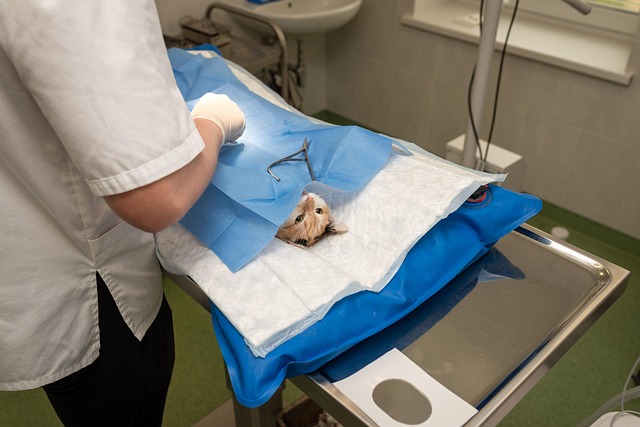
Signs That Require Immediate Veterinary Attention
In practical terms, I advise the following:
-
Kittens (0–6 months): Every 3–4 weeks for vaccinations and growth monitoring.
-
Young adults (1–6 years): At least once a year for exams and preventive care.
-
Seniors (7+ years): Every 6 months, or more often if chronic conditions are present.
Practical Guidelines for Cat Checkups
Vaccinations and Growth Monitoring
Over the years in practice, I’ve learned that regular visits do more than prevent illness—they also provide a baseline for your cat’s health. I can often spot subtle changes in body condition, coat quality, or behavior that an owner might overlook.
Physical Exams and Preventive Care
Early detection of these issues can save both the cat and owner unnecessary stress and medical costs.
Monitoring Chronic Conditions
Ultimately, how often your cat should visit the vet depends on age, health, and lifestyle factors. In my experience, even cats that seem perfectly healthy benefit from consistent checkups. Overlooking these visits is a mistake I’ve seen too many times, and the consequences can be severe. The goal isn’t just to treat illness—it’s to help your cat live a longer, healthier, and happier life.