
What Home Remedies Can — and Can’t — Do
I’ve treated many itchy, flaky dogs over the years, and seborrhea is one of those conditions owners rarely forget once they’ve smelled it. I practice as a small-animal veterinarian, and I see seborrhea most often as greasy skin, yellowish flakes, and that unmistakable “doggy” odor that doesn’t wash away for long.
Owners usually ask me first about home remedies, and that’s a reasonable place to start — as long as we’re honest about what home care can and cannot do.

First, a Reality Check from Clinical Experience
Seborrhea in dogs is usually not just “dry skin.” In many of my cases, it’s secondary to allergies, hormonal disease, chronic infections, or breed-related skin changes. Home remedies help manage symptoms, soothe the skin, and reduce flare-ups. They don’t cure underlying causes.
I’ve had more than one dog brought to me after months of internet-based home treatments that never addressed a thyroid problem or a deep skin infection underneath. So my baseline advice is simple: home remedies are supportive care; persistent or worsening cases need a vet visit.
Bathing Routines That Actually Help, Not Hurt
Owners often assume more shampoo will fix seborrhea. I’ve seen the opposite — dogs bathed daily with harsh human shampoos, ending up with stripped, inflamed skin. That almost always makes the condition worse.
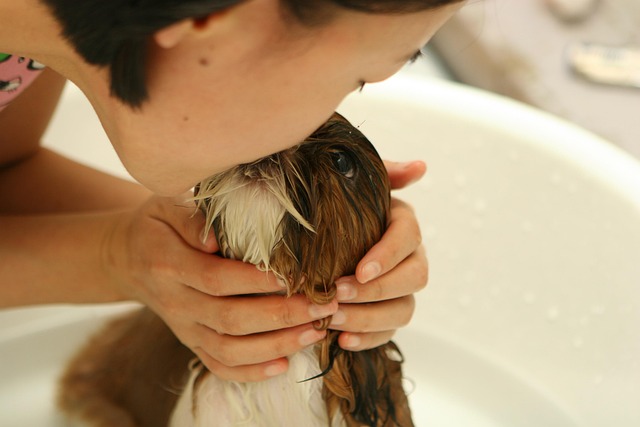
At home, I trust lukewarm water and a gentle, dog-specific medicated shampoo recommended by your veterinarian. Oatmeal or sulfur-salicylic acid formulas are common choices I prescribe because they soften scales and help with oil control without being overly aggressive.
One senior Cocker Spaniel I treated had greasy seborrhea so thick it formed clumps on his ears. His owner had tried dish soap at home after reading online about degreasing hacks. It left him red and itchy for days. Switching to a veterinary seborrhea shampoo, leaving it on the skin for several minutes, and spacing baths to once or twice weekly calmed his skin within weeks. That owner told me the most significant change was learning “gentle and consistent beats harsh and frequent,” and I agree.
Coconut Oil, Fish Oil, and the Truth About “Natural Fixes”
Coconut oil is probably the most common home remedy I’m asked about. I’ve used it sparingly for localized dryness — rubbed into small patches — and yes, it can soften crusting. But I don’t recommend coating the whole dog. It clogs pores, attracts dirt, and in some dogs with seborrhea oleosa (the greasy type), makes everything worse.
What I recommend far more often is omega-3 fatty acid supplementation, usually in the form of a dog-formulated fish oil. I’ve seen meaningful improvement in coat quality and itch levels over months, not days. One Labrador I treated, whose seborrhea flared each winter, did much better once his owner added omega-3s and adjusted his diet, alongside medicated baths. It wasn’t dramatic overnight progress, but it was steady and real.
Simple Environmental Care That Makes a Difference
Seborrhea often improves when the skin barrier is supported in small, consistent ways. That doesn’t sound glamorous, but it works.
Dogs with seborrhea benefit from:
regular brushing to remove loose flakes and distribute natural oils
thoroughly drying the coat after baths, especially skin folds and ears
washing bedding frequently to cut down on yeast and bacteria buildup
I remember a shepherd mix who came to me every few months with recurring odor and flaking. The turning point wasn’t a new product — it was the owner finally switching old, infrequently washed bedding and drying the dog thoroughly after bathing. Sometimes the “home remedy” is diligent husbandry, not a kitchen ingredient.
Apple Cider Vinegar and Other Internet Remedies
I’ve treated dogs burned by undiluted vinegar, hydrogen peroxide, and essential oils. I strongly advise against using undiluted apple cider vinegar, tea tree oil, or human dandruff shampoos without veterinary guidance. Online, they’re presented as miracle cures. In real life, I see chemical irritation and secondary infections.
Diluted vinegar rinses can help yeast-prone skin in some cases, but only on intact skin and under guidance. If there are raw areas, scabs, or open sores, vinegar stings badly and delays healing.
When Home Care Isn’t Enough
There’s a point where home remedies cross into wishful thinking. I recommend stopping home treatment and seeking veterinary care if you see:
foul odor that returns quickly after bathing
pus, bleeding, or open sores
hair loss spreading beyond flaky areas
your dog is acting lethargic, losing weight, or drinking excessively
In several dogs I’ve diagnosed with hypothyroidism or flea allergy dermatitis, the owners initially thought they were dealing with simple “dry skin” and tried oils, supplements, and frequent baths. The skin never truly improved until the underlying disease was treated.
My Bottom-Line Advice from Years in the Exam Room
Home remedies have a role in seborrhea — soothing baths, omega-3s, regular grooming, and thoughtful skin care routines can bring real relief. I use and recommend them every week in practice. But I also see the hidden traps: over-bathing, harsh household products, and the assumption that flaking skin is purely a cosmetic problem.
Seborrhea is often a symptom, not a diagnosis. Support your dog at home, monitor for improvement, and don’t hesitate to involve your veterinarian if the condition persists, is severe, painful, or smelly despite reasonable home care. That’s how I’ve seen dogs go from chronically itchy and greasy to comfortable again.