
What I See Most Often in Practice
I’ve worked as a licensed veterinarian in Texas for well over a decade, and pit bulls—or more accurately, bully-type dogs—have been a steady presence in my exam rooms. They’re strong, affectionate, people-focused dogs, but they’re also prone to a handful of health problems that I see far more often in this group than in many others. Not because they’re “fragile,” but because their genetics, body structure, and the way people manage them tend to overlap in predictable ways.
What follows isn’t theory or textbook summaries. It’s based on cases I’ve treated, conversations I’ve had with owners sitting across from me, and mistakes I’ve seen repeated often enough that patterns become impossible to ignore.
Skin Problems Are the Big One
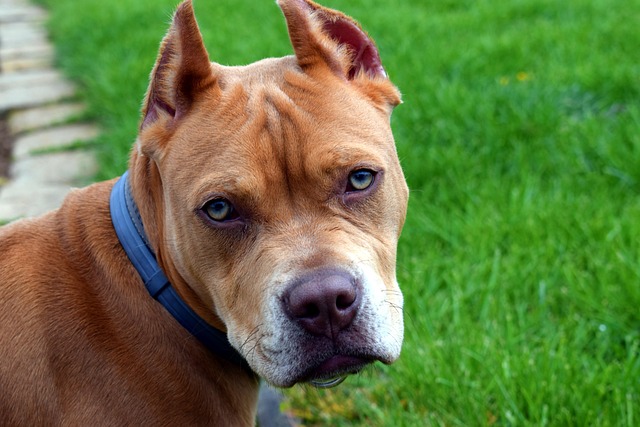
If you put ten pit bulls on my schedule in a given week, odds are at least half of those visits involve skin issues. Chronic itching, red bellies, recurrent ear infections, hair loss along the flanks—these dogs are notorious for allergic skin disease.
I remember a young male pit bull I saw last spring who came in for “hot spots.” His owner had tried switching his food three times and had been bathing him weekly with whatever shampoo was on sale. The dog was miserable, constantly scratching, and had started snapping when touched. The real issue wasn’t fleas or hygiene—it was uncontrolled environmental allergies combined with overbathing, which stripped his skin barrier and made everything worse.
Pit bulls tend to have shorter coats and more sensitive skin. Allergies often appear earlier in life, sometimes before the dog is even 2 years old. Grass pollen, dust mites, specific proteins in food—any of these can trigger constant inflammation.
One mistake I see regularly is owners assuming allergies are purely cosmetic. They’re not. Chronic skin inflammation can lead to infections, pain, and behavioral changes. Dogs that itch all day don’t sleep well. They don’t feel good. Treating allergies early and consistently makes a noticeable difference in temperament and quality of life.
Ear Infections That Keep Coming Back
Closely tied to skin disease are ear problems. Pit bulls often develop thickened ear canals from ongoing inflammation. I’ve looked into plenty of ears that were so swollen and narrowed you could barely see inside.
A case that stuck with me involved a middle-aged rescue pit bull whose ears had been “treated” repeatedly with leftover medications from past infections. Each time, things improved for a few weeks, then flared up again. By the time I saw him, the infection was deep, painful, and resistant to several common medications. What should have been manageable early on turned into a long, expensive process.
Recurring ear infections are rarely just bad luck. They’re usually a sign of untreated allergies or improper treatment. Using old medications without culturing the ear can allow resistant bacteria or yeast to take hold, making future infections harder to clear.
Joint and Orthopedic Issues
People don’t always associate pit bulls with joint problems, but I do. These dogs are muscular and powerful, and that strength can hide early orthopedic disease.
Hip dysplasia isn’t rare in pit bulls, especially in lines bred without health screening. I’ve also diagnosed more cranial cruciate ligament tears in pit bulls than many owners expect. One particularly athletic female I treated had torn her ACL simply chasing a ball in the backyard: no trauma, no accident—just genetics and biomechanics catching up with her.
What complicates orthopedic issues in pit bulls is weight. Even being ten or fifteen pounds overweight puts enormous strain on joints. I’ve had difficult conversations with owners who swear their dog is “solid, not fat,” while the scale and joint pain tell a different story.
Keeping pit bulls lean isn’t about appearance. It’s one of the most effective ways to prevent early arthritis and avoid surgeries that can cost several thousand dollars and require months of recovery.
Heart Disease Shows Up Quietly
Dilated cardiomyopathy and other heart conditions aren’t exclusive to pit bulls, but I’ve diagnosed enough cases to consider it a genuine concern. The tricky part is how silent heart disease can be early on.
I once examined an older pit bull that came in for mild coughing during walks. The owner thought it was just age. On exam, I picked up a heart murmur and irregular rhythm. Imaging later showed advanced heart disease that had been progressing unnoticed for quite some time.
Pit bulls are stoic dogs. They don’t complain. By the time they slow down, the disease is often well-established. Regular wellness exams matter more than people realize, especially as these dogs age.
Thyroid Problems and Behavior Changes
Hypothyroidism pops up often enough in pit bulls that I keep it on my mental checklist. Weight gain, lethargy, thinning coat, recurrent infections—these signs are easy to dismiss individually.
What surprises many owners is the behavioral component. I’ve seen dogs labeled as “suddenly aggressive” or “anxious” who turned out to have poorly functioning thyroid glands. Once treated, their behavior improved alongside their physical health.
Not every behavior issue is medical, but I’ve learned never to ignore the possibility.
Cancer Risk as They Age
As pit bulls get older, certain cancers become more common. Mast cell tumors are the ones I diagnose most frequently in this group. They can look deceptively harmless—small bumps that come and go, sometimes shrinking overnight.
I removed a mast cell tumor from a pit bull that the owner had assumed was a bug bite for months. Luckily, it was caught before spreading, but a delay could have changed the outcome entirely.
Any new lump on a pit bull deserves attention, especially if it changes size or appearance. Waiting to “see what happens” is a gamble I’ve seen go wrong too many times.
Common Owner Mistakes I See Repeated
Many health problems aren’t inevitable—they’re made worse by well-meaning decisions.
One is over-supplementing. Owners often add multiple skin, joint, and immune supplements at once, thinking more is better. I’ve seen dogs develop gastrointestinal issues or liver stress from unnecessary combinations.
Another is inconsistent prevention. Skipping flea control because “we don’t see fleas” almost always ends with a severe allergic reaction weeks later. Pit bulls are particularly sensitive to flea saliva, and it doesn’t take many bites to cause intense itching.
Finally, delaying veterinary care due to fear of judgment or cost often leads to worse outcomes. I’ve never had a case improve by waiting too long.
Living Well With a Pit Bull
Despite all of this, I wouldn’t hesitate to share my life with a pit bull. When their health was managed correctly, they’re resilient, affectionate companions.
The pit bulls that do best in my care tend to have owners who stay consistent—steady diets, realistic exercise, routine checkups, and early intervention when something seems off. These dogs don’t need perfection. They need attentiveness.
Over the years, I’ve watched pit bulls go from chronically uncomfortable to relaxed and playful simply because someone finally addressed the underlying issue instead of chasing symptoms. That transformation never gets old.