
As a licensed veterinarian practicing in Texas for over a decade, I’ve monitored thousands of cats waking up from anesthesia. Some bounce back quietly within a few hours. Others act like they’ve been dropped onto another planet. Both can be normal.
If your cat seems “off” after a procedure, that doesn’t automatically mean something went wrong. Anesthesia affects the brain and nervous system in ways that take time to fully settle. Focus on monitoring your cat, recognizing expected versus unexpected behaviors, and providing support during the first 24 to 72 hours at home.

The First Few Hours: Disorientation Is Common
The most frequent behavior I see immediately after anesthesia is disorientation. Cats may wobble, stare at walls, miss jumps, or walk as if the floor is shifting.
Last spring, I discharged a young indoor cat after a routine dental cleaning. When her owner called that evening, she was alarmed to find the cat pacing the hallway and crying in a low, unfamiliar tone. She was convinced something had gone terribly wrong. In reality, the cat was experiencing what we commonly see: residual anesthetic drugs affecting spatial awareness and perception. By the next morning, she was back to quietly supervising the household from her favorite chair.
Some cats appear glassy-eyed or overly sensitive to sound. I’ve had patients startle at the hum of a refrigerator they’ve lived beside for years. Their nervous system is simply recalibrating.
This phase usually improves significantly within 12 to 24 hours.
Vocalization: The Cry That Worries Owners Most
One behavior that unsettles owners more than anything else is unusual vocalizing. Deep yowling, repetitive meowing, or low growls can happen as anesthesia wears off.
In my experience, this isn’t usually pain — it’s confusion. I remember a middle-aged rescue cat who had been spayed. She was normally quiet. After surgery, she let out long, dramatic howls in the recovery ward that made first-time pet owners in the lobby visibly anxious.
Within a few hours, she settled completely and never made that sound again.
That said, vocalization combined with persistent restlessness, panting, or inability to settle can indicate discomfort. The difference is subtle but real. Confusion tends to come in waves. Pain-driven distress doesn’t.
If your cat cannot rest at all or seems tense and guarded when touched, I lean toward reassessing pain control rather than assuming it’s just anesthesia.
Hiding, Withdrawal, and “Personality Changes”
Many cats hide after anesthesia. They may avoid eye contact, retreat under furniture, or refuse to interact.
I advise clients not to interpret this as emotional trauma or resentment. The body feels strange. Their muscles may feel weak. Their vision may be slightly off. If you felt groggy and unstable, you’d probably want a quiet room too.
One older cat I treated for a minor surgical removal of a mass hid behind a washing machine for nearly a full day. The owners were distraught. By day two, he was demanding breakfast at 5 a.m. as usual.
Temporary withdrawal is normal. What concerns me more is prolonged lethargy beyond 48 hours, especially if paired with poor appetite or vomiting.
Appetite Changes
Reduced appetite the night before surgery is common. Anesthesia drugs and mild nausea can suppress hunger.
However, by the next day, most healthy cats should show at least mild interest in food. I prefer offering small, bland portions rather than a full meal immediately.
I once treated a cat who refused food for two full days after anesthesia. The owners assumed she was just “moody.” She was actually experiencing postoperative nausea that required medication. Once addressed, her appetite returned quickly.
If your cat refuses to eat any food after 24 hours, I recommend contacting your veterinarian. Cats do not tolerate prolonged fasting well, especially those prone to hepatic lipidosis.
Litter Box Irregularities
Another behavior owners don’t expect is litter box confusion. Some cats urinate outside the box the first night home. They may feel unsteady stepping into high-sided boxes.
After one orthopedic procedure, a cat repeatedly tried to enter her litter box but couldn’t coordinate the step up. Her owners thought she was being stubborn. Lowering the box entrance immediately solved the issue. For the first 24 hours, make everything easier to use physically: a low-entry litter box, accessible water, and no climbing required.
When Behavior Is Not Normal
There are clear red flags I never ignore:
- Persistent collapse or inability to stand after 24 hours
- Pale gums
- Continuous vomiting
- Labored breathing
- Extreme agitation that doesn’t settle
- Signs of uncontrolled pain (hunched posture, growling when touched). In over a decade of practice, true anesthesia complications are uncommon, but they do happen. If you notice any of the red flags above, contact your veterinarian promptly so they can advise you on the appropriate next steps.
How I Advise Owners to Set Up Recovery at Home
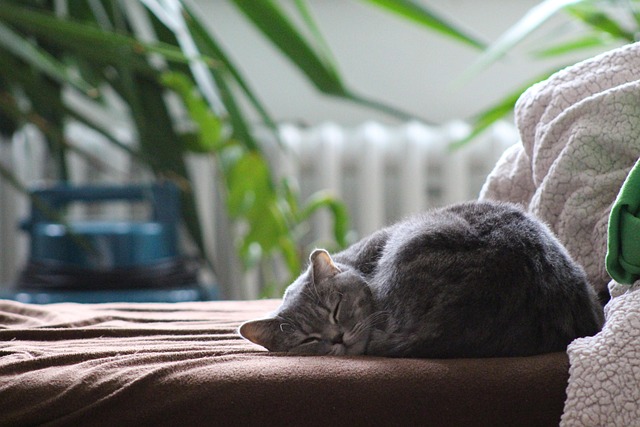
Recovery goes more smoothly in a quiet, dim environment. I recommend:
Keep them in a single room with soft bedding.
Limit access to stairs or high furniture.
Avoid children or other pets for the first night.
Offer small food portions once fully awake.
Limit access to stairs or high furniture.
Avoid children or other pets for the first night.
Offer small food portions once fully awake.
In my experience, the biggest mistake owners make is giving cats too much freedom too quickly. A groggy cat attempting a favorite six-foot leap rarely ends well.
The Emotional Side of Recovery
One pattern I’ve noticed repeatedly is that owners project their own anxiety onto the situation. Cats are extremely sensitive to tone and energy. If you hover anxiously, they may become more unsettled. Calm, quiet observation works better than constant checking.
After thousands of recoveries, I can say this: most cats are far more resilient than their owners expect. The brain clears, balance returns, and appetite normalizes. What feels alarming in the evening often looks routine by morning.
Anesthesia temporarily changes behavior. It does not change your cat’s persona. Patience, controlled observation, and knowing the difference between confusion and distress are what truly matter during those first days home.
If you have questions or concerns, never hesitate to reach out to your veterinary team—support is always close by. Trust your cat, trust your care, and trust that with time, your companion will return to their familiar self at home.