
I’ve been practicing as a small-animal veterinarian for over a decade, and I’ve seen just about every feeding trend cycle through exam rooms — grain-free, raw, boutique proteins, limited-ingredient diets, and everything in between. One brand clients regularly ask me about is Blue Buffalo, specifically its high-protein line, Blue Wilderness.
So… is it a good dog food?
The core argument is this: Blue Wilderness can be a good food for specific dogs, but it’s not automatically right for all. The deciding factor is always the individual dog’s response — not marketing or popular trends.
What Blue Wilderness Actually Is — Beyond the Label
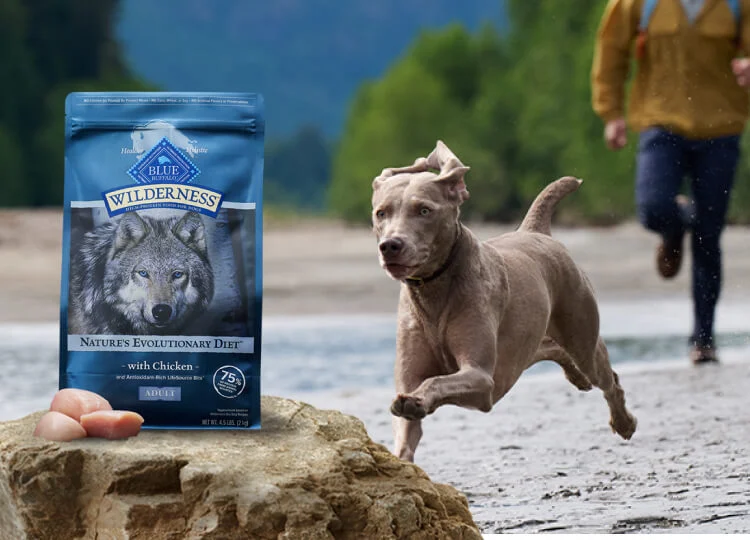
Blue Wilderness is positioned as a high-protein, meat-forward diet designed to mimic what dogs might eat in the wild. Most formulas are grain-free and rely heavily on animal protein sources like chicken, salmon, or red meat.
From a nutritional standpoint, many of their recipes meet the standards set by the Association of American Feed Control Officials (AAFCO), meaning they provide complete and balanced nutrition when fed as directed. That baseline matters more than most people realize — not every premium-looking food meets those benchmarks.
But meeting nutritional standards and being ideal for your dog are two different things.
What I’ve Seen in Real Patients
A few years ago, a young German Shepherd came into my clinic with chronic loose stools that had been going on for months. His owner had switched him to Blue Wilderness, thinking the higher protein would support muscle growth. Instead, his digestive system never fully adjusted.
Switching him to a moderate-protein, different-fiber diet brought normal stools within three weeks, with no meds needed.
A Labrador with weight issues improved after changing to Blue Wilderness’ high-protein chicken, measured portions, and monthly checks. He leaned out and kept energy.
Same brand. Very different outcomes.
Another case that sticks with me involved a sensitive-skinned rescue dog. His owner had cycled through multiple foods in an attempt to stop persistent itching. Blue Wilderness salmon formula actually worked well for him — likely because of the protein source and omega fatty acid profile. His skin improved enough that we reduced allergy medications significantly.
Where Blue Wilderness Performs Well
In my experience, it tends to work best for:
- Active or working dogs that genuinely need higher protein intake
- Dogs that tolerate rich diets without digestive upset
- Some dogs with skin issues who respond well to fish-based formulas
The protein density can be beneficial — but only if the dog’s metabolism and digestive system handle it comfortably.
Where Owners Commonly Run Into Trouble
The biggest mistake I see is assuming “more protein” automatically equals “better health.” That’s not how canine nutrition works in practice.
Higher-protein, grain-free diets can sometimes cause:
- Loose stool or gas in sensitive dogs
- Unnecessary calorie intake for low-activity pets
- Difficulty maintaining weight balance
- Digestive strain during sudden food transitions
I’ve also had many clients switch too quickly. Blue Wilderness formulas can be richer compared to standard kibble. A gradual transition over at least a week — sometimes two — makes a major difference. Skipping that step is one of the most common reasons owners think the food “doesn’t suit” their dog.
The Grain-Free Question
Several years ago, the U.S. Food and Drug Administration began investigating potential links between certain grain-free diets and canine dilated cardiomyopathy (DCM). Research is ongoing, and no single brand or ingredient has been definitively blamed.
In practice, this has made many veterinarians — myself included — more cautious about recommending grain-free diets unless there’s a clear reason, like a confirmed grain allergy (which is actually uncommon).
Most dogs do perfectly well with properly formulated diets that include grains.
Ingredient Quality — My Professional Impression
Clients often ask if Blue Wilderness uses good ingredients. Compared with many mass-market brands, its protein sources are clearly identified, and the recipes avoid artificial preservatives and fillers that some owners try to avoid. aid, ingredient lists alone don’t tell the full nutritional story. Digestibility, bioavailability, and formulation balance matter just as much — things you can’t judge from marketing language.
My Professional Opinion After Years of Use in Practice
I don’t automatically recommend Blue Wilderness to every client, nor do I automatically discourage it.
It’s a solid, nutrient-dense option that works very well for certain dogs — particularly active ones with strong digestive tolerance. But it’s not universally appropriate, and it’s often richer than many household pets truly need.
If a dog is thriving on it — healthy weight, normal stool, good energy, healthy skin and coat — I usually see no reason to change. If digestive or weight issues appear after switching, I’m quick to reassess.
Ultimately, the value of Blue Wilderness—or any dog food—depends on whether it truly fits the unique needs and health status of the animal in front of you. There is no universally optimal choice; success is individualized.
This is why, in clinical practice, finding the right diet is always about matching the food to the dog—not chasing brand reputations or trends.