
A Veterinarian’s Real-World Perspective
As a veterinarian in Houston, I’m often asked whether baby food is safe for dogs—especially by owners who are worried when their pet won’t eat, has an upset stomach, or is recovering from surgery. The simple ingredients in baby food seem reassuring, but is it always safe?
Sometimes it’s a good idea. Sometimes it’s not.
Baby food can help dogs in specific situations, but I’ve seen cases where it made dogs sick, often due to misunderstandings about its purpose or content.
Let me walk you through how this plays out in real life.
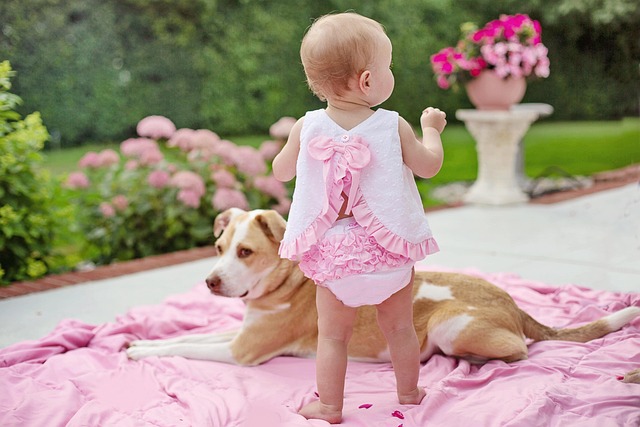
Why Baby Food Seems Like a Good Idea
From a pet owner’s perspective, baby food makes sense. It’s soft, easy to swallow, and often contains simple ingredients like chicken or carrots. Dogs who refuse kibble will often eagerly lick baby food.
From a veterinary standpoint, those same qualities can make it helpful — temporarily.
I’ve used baby food for dogs recovering from dental procedures when they wouldn’t eat, offering plain meat varieties to help them resume eating.
I’ve also seen baby food help dogs with stomach illnesses who refused other bland foods, with a small, watery serving making a difference.
Used briefly, baby food can bridge a difficult period, but shouldn’t become a regular diet.
But that doesn’t make it regular dog food.
The Big Problem Most Owners Miss
The biggest danger with baby food is the false assumption that all kinds are safe for dogs.
This assumption can be seriously wrong.
Many jars contain ingredients that are harmless for human babies but dangerous for dogs, especially onions and garlic. Onion and garlic are toxic to dogs even in small amounts, yet they are sometimes added as flavor enhancers, even in products labeled as simple meat blends.
I once treated a Labrador whose owner had been mixing baby food into meals for several weeks because the dog was “picky.” She brought the jar to the appointment. Chicken, broth, and onion powder. That one ingredient caused digestive upset and early signs of red blood cell damage. Fortunately, we caught it early.
This happens more often than people realize because labels can be easy to overlook. Owners see “chicken puree” on the front and never read the full ingredient list.
The first rule for every client: Never assume — always read the complete label.
Nutritional Reality: Baby Food Isn’t Balanced for Dogs
Even when baby food seems safe, remember it is not designed for dogs’ nutrition.
Dogs require a very specific balance of protein, fats, vitamins, and minerals. Commercial dog foods are formulated with those requirements in mind. Baby food is formulated for human infants, with entirely different nutritional standards.
Regularly feeding baby food can lead to deficiencies over time. I’ve seen this in dogs that became dependent on it because owners kept offering it after the illness passed.
A client once brought a small dog fed mostly baby food after surgery. The dog became clearly undernourished, with a thin frame and dull coat, though the owner meant well.
She was, but was unintentionally creating a new health problem.
Baby food works best as a short-term tool, not a feeding strategy.
When I Actually Recommend Baby Food
In my clinical practice, I suggest baby food in a few specific situations:
-
Recovery from illness or surgery
Dogs with low appetites sometimes need something soft and highly palatable to restart eating.
-
Administering medication
A small amount can effectively hide pills, especially for stubborn dogs.
-
Temporary digestive rest
Plain, simple varieties can help during short periods of stomach upset.
-
Transitioning back to regular food
Mixing tiny amounts into regular meals can encourage reluctant eaters to resume healthy eating.
Pay close attention to the word temporary in each case—this is key for your dog’s safety.
What Type of Baby Food Is Safest
Over the years, I’ve seen which options tend to cause fewer problems.
Plain, single-ingredient meat varieties are usually safest — chicken, turkey, or beef — with no seasoning or added vegetables, such as onion or garlic.
Many of my clients use Gerber products simply because the ingredient lists are clear and easy to verify. Brand matters less than label transparency.
Texture also matters. Smooth purées are easier for recovering dogs to handle, especially after dental work.
And portion size should stay small. Think spoonfuls, not meals.
Common Mistakes I See Over and Over
Patterns repeat in veterinary practice. With baby food, the same errors keep popping up.
One is using fruit-based baby food regularly. Fruit purées are not toxic in most cases, but they’re high in sugar and provide little nutritional value for dogs. They also tend to cause loose stools when given too often.
Using baby food long-term for picky eaters is risky. It teaches dogs to refuse healthier foods, making the real issue worse over time.
The third mistake is forgetting calorie density. Some baby foods are surprisingly rich. Small dogs, especially, can gain weight quickly if portions aren’t controlled.
A Situation That Changed How I Explain This to Owners
A few years ago, I treated an older spaniel recovering from pancreatitis. The owner had been carefully feeding prescription food, but the dog’s appetite was inconsistent. One day, she tried baby food to encourage her to eat. It worked immediately.
She felt relieved — until the dog relapsed days later.
The baby food itself wasn’t toxic, but it was higher in fat than her prescription diet allowed. That small nutritional mismatch triggered inflammation again.
That case changed how I counsel clients. Now I explain not just what is safe, but what fits the dog’s specific medical condition. A food that helps one dog can harm another.
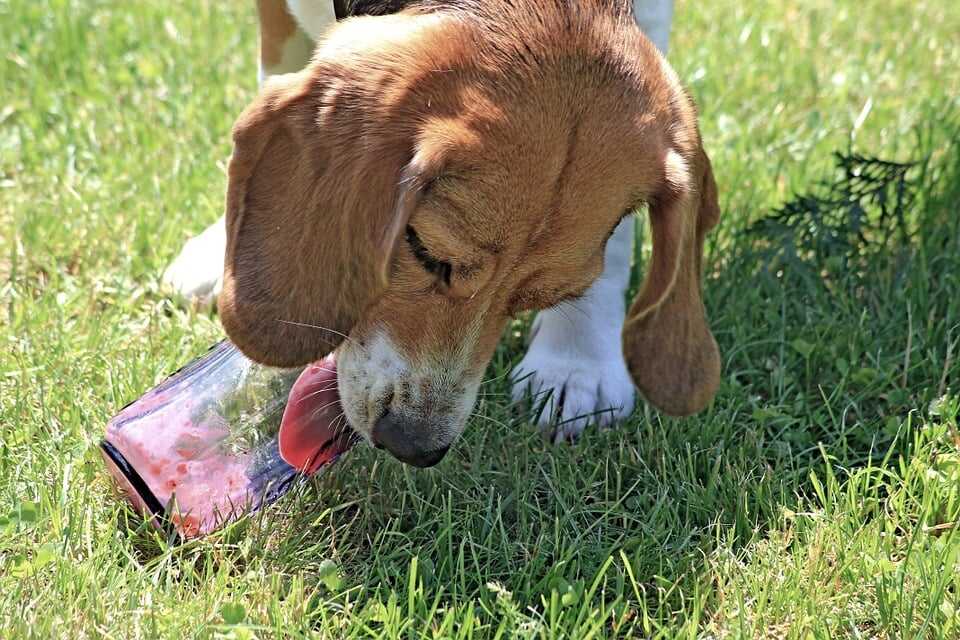
My Professional Take
Baby food can be helpful. I use it myself in clinical settings. It’s practical, accessible, and often effective for short-term support.
Remember: baby food is not complete nutrition for dogs, is not always safe, and should only be a short-term solution under veterinary direction.
Think of it as a tool — like a bandage or a temporary brace — not a permanent solution.
The Simple Test I Give Clients
If you’re considering baby food for your dog, ask yourself three questions:
Why am I using this?
How long will I use it?
What exactly is in it?
If you can answer those clearly, you’re probably using it responsibly.
If not, that’s usually when problems start.
I’ve seen baby food help dogs recover faster, take medication easily, and regain appetite after illness. I’ve also seen it cause digestive upset, nutritional imbalance, and delayed recovery when used incorrectly.
Used thoughtfully, it can be useful. Used casually, it can create problems that didn’t need to exist in the first place.