
As a licensed veterinarian practicing in Texas for over a decade, I’ve seen just how quickly a dog can get into trouble in a parked car. Many owners assume that 60 degrees Fahrenheit is safe, since it doesn’t feel hot to us. From my experience, that assumption can be dangerously wrong.
How Fast Temperatures Rise Inside a Vehicle
Even at 60 degrees outside, a car’s interior can heat up rapidly. I remember a client who left her Labrador in the vehicle for what she thought would be a harmless ten minutes while she ran into a store. The car windows were slightly cracked, and she assumed that would be enough.
When she returned, the dog was panting heavily, drooling, and clearly stressed. I checked the car, and the temperature inside had climbed to nearly 85 degrees in that short time. Dogs rely on panting to cool themselves, and in such confined spaces, their bodies overheat far faster than ours.
Small Breeds Face Even Greater Risk
Small breeds can be even more vulnerable. A customer last spring brought in her two-year-old Chihuahua after leaving it in a car during a seemingly mild morning. The dog was lethargic, breathing rapidly, and unsteady on its paws. Despite the outside temperature being just 60 degrees, the car had created a mini-heat environment. With IV fluids and close monitoring, we stabilized her, but the incident illustrated how quickly things can go wrong.
Heatstroke Signs in Medium and Large Dogs
I’ve also treated medium-sized dogs, such as Golden Retrievers, in similar conditions. One client left her dog in the car while running a quick errand, thinking the air conditioning from a few minutes ago had left the car cool. The dog showed early signs of heatstroke: excessive panting, mild vomiting, and restlessness. Even though the outdoor temperature was moderate, the car’s interior became a heat trap due to sunlight and poor ventilation. This case reinforced what I always tell pet owners: a “cool” day does not guarantee a safe car environment for your dog.
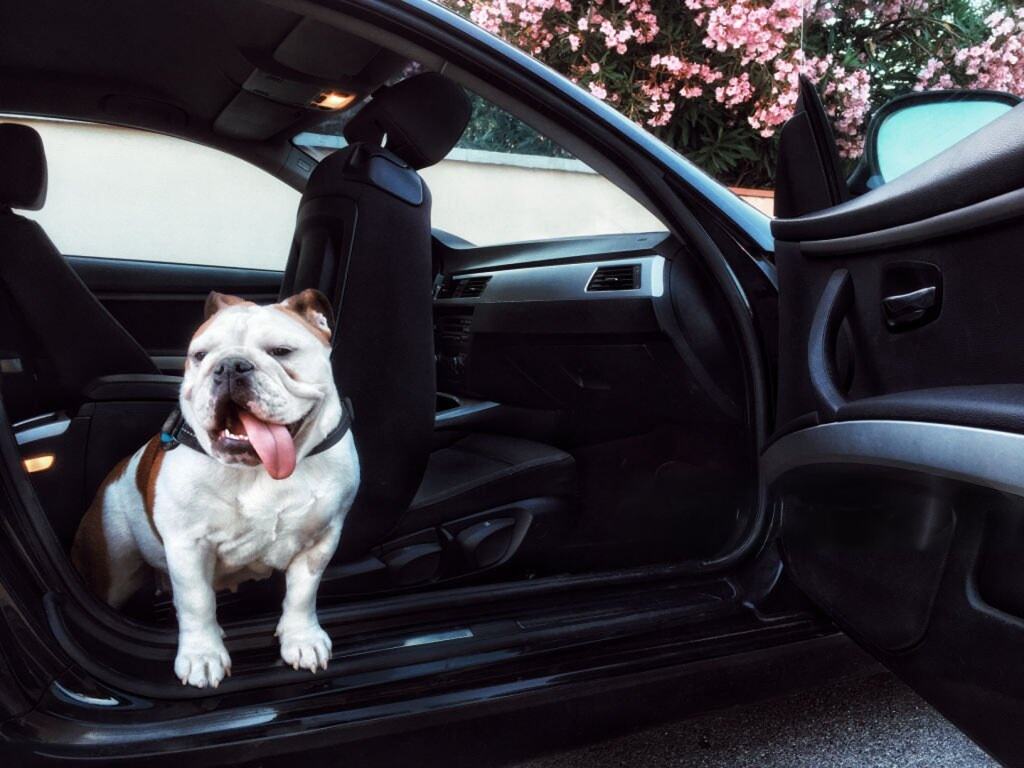
Why Cars Become Heat Traps
It’s not just the temperature itself that’s risky. Cars amplify heat by trapping sunlight and reflecting it onto metal surfaces, creating hotspots. Dogs cannot sweat efficiently—they cool down primarily through panting. If the air inside is stagnant, even mild warmth can become dangerous quickly.
A Veterinarian’s Clear Recommendation
From my experience, I strongly advise against leaving dogs in a car at 60 degrees, even for a few minutes. If a stop is unavoidable, maximize ventilation, use sunshades, and keep the stop as short as possible. The safest option is to leave your dog at home or have someone stay with them outside the vehicle.
I’ve seen too many cases where owners underestimated risk. Once, a client thought a cracked window and shaded parking spot would be enough for her Border Collie mix. Within minutes, the dog began showing signs of heat stress, including drooling, lethargy, and heavy panting. Quick intervention at the clinic prevented serious complications, but the lesson was clear: even mild outdoor temperatures can turn deadly inside a car.
Prevention is far easier than treatment. Heat stress in dogs can escalate within minutes, causing organ damage or death. My advice as a veterinarian is consistent: never leave your dog unattended in a vehicle, even on seemingly mild days. Their safety depends entirely on your vigilance; even a brief lapse can have severe consequences.