Discover the Truth
Many dog owners want to feed their pets the healthiest food possible. Fresh, human-grade dog meals have become especially popular, and brands that promise customized nutrition often feel like a safer or more responsible choice. Still, a common question remains: is fresh subscription food actually better — and more importantly, is it safe?
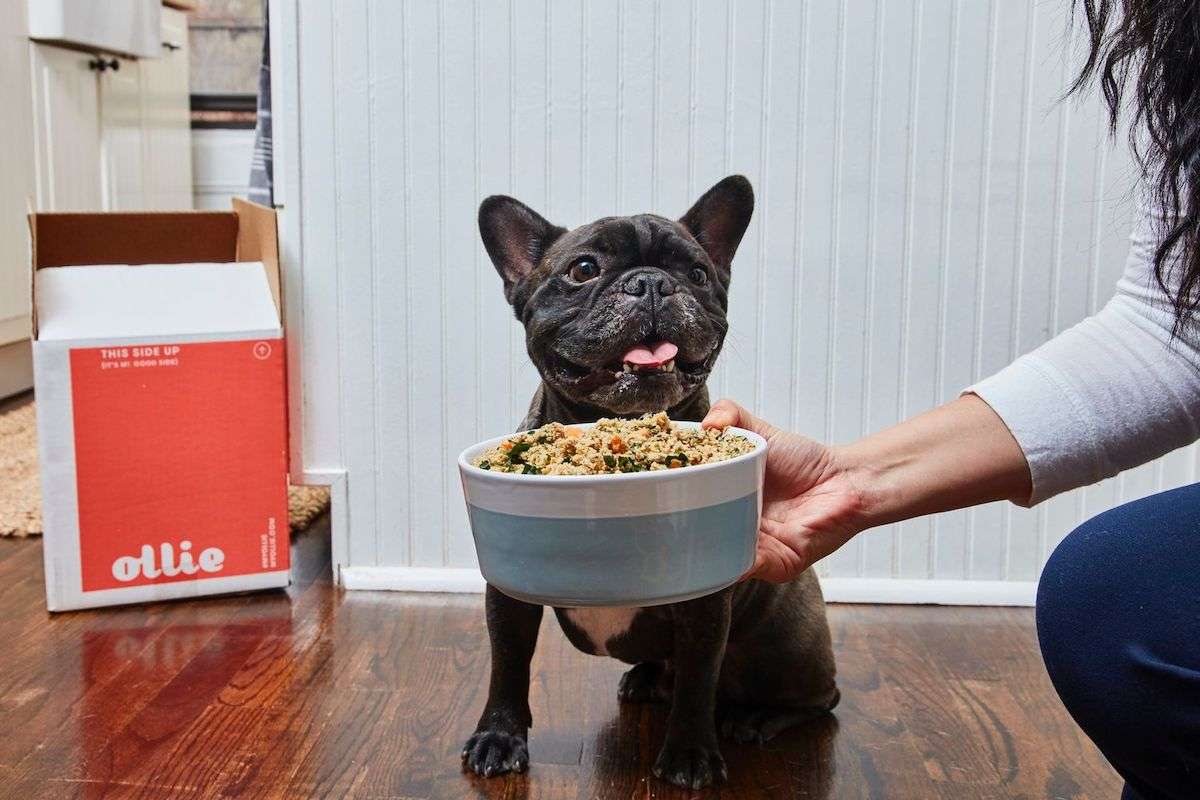
Among these options, Ollie is frequently discussed. It offers gently cooked meals made from whole ingredients, tailored to a dog’s age, weight, and activity level. For pet owners trying to balance convenience, nutrition, and safety, understanding what this type of food truly provides — and where caution is needed — helps support better decisions.
What Makes Fresh Dog Food Different
Traditional dry kibble is shelf-stable and formulated to deliver complete nutrition over time. Fresh dog food, including Ollie, uses lightly cooked ingredients such as meat, vegetables, and grains. Meals are refrigerated or frozen and typically delivered on a schedule.
The main differences include:
- Minimal processing compared to dry kibble
- Higher moisture content, which may support hydration
- Visible whole ingredients, which many owners find reassuring
- Shorter storage life, requiring careful handling
These differences affect not only nutrition but also safety, cost, and feeding consistency.
Is Ollie Nutritionally Balanced?
A dog’s health depends on receiving the right balance of protein, fat, vitamins, and minerals — not just high-quality ingredients. Well-formulated commercial diets meet nutritional standards established by the Association of American Feed Control Officials. These standards help ensure foods support growth, maintenance, or specific life stages.
Ollie states that its recipes are formulated to meet these nutritional guidelines. When a food meets recognized standards and is fed as directed, it can support normal canine health.
However, balance depends on consistency. Nutritional problems are more likely when:
- Meals are mixed with other foods in unpredictable ways.
- Portions are changed without guidance.
- Dogs are fed homemade additions that disrupt nutrient ratios.
Even high-quality food can become nutritionally incomplete if feeding routines are inconsistent.
Safety Considerations Owners Should Understand
Fresh dog food is generally safe when handled properly. Still, its storage and preparation requirements create risks that do not apply as strongly to shelf-stable kibble.
Temperature control matters
Fresh meals must remain refrigerated or frozen. If food sits at room temperature for too long, bacteria can grow quickly. This can lead to digestive upset or foodborne illness in dogs — and sometimes in humans handling the food.
Portion handling affects contamination risk.
Repeatedly opening containers, using unclean utensils, or storing partially thawed food can introduce bacteria. Because fresh diets contain more moisture, they spoil faster once exposed to air.
Feeding transitions can cause digestive upset.
Switching rapidly from kibble to fresh food may lead to diarrhea, vomiting, or changes in appetite. A gradual transition allows the digestive system to adjust to different fat levels, fiber content, and moisture.
Potential Health Benefits — and Their Limits
Some dogs appear to do well on fresh diets. Owners often report improved coat shine, better stool consistency, or increased appetite. These changes may occur because of:
- Higher moisture intake
- Moderate processing that preserves certain nutrients
- Palatable ingredients that encourage eating
However, these benefits are not guaranteed for every dog. Health outcomes depend on the individual animal’s digestion, metabolism, and medical history. A fresh diet is not automatically superior simply because ingredients look more natural.
Dogs with certain conditions — including pancreatitis, kidney disease, or severe food allergies — may require very specific nutrient profiles that not all fresh foods provide.
Common Misunderstandings About Fresh Dog Food
Clear information helps prevent unintentional risks. Several widespread beliefs can lead to poor feeding decisions.
“Human-grade means safer.”
Human-grade ingredients indicate sourcing standards, not nutritional completeness or bacterial safety after handling.
“Fresh food prevents disease.”
No commercial diet can guarantee protection from illness. Health depends on genetics, lifestyle, preventive care, and overall nutrition.
“Natural ingredients cannot cause problems.”
Any diet can cause digestive upset if introduced too quickly or fed in incorrect amounts.
“More expensive always means healthier.”
Cost reflects production and delivery methods, not necessarily better suitability for a specific dog.
What Mistakes Do Owners Commonly Make?
Well-intentioned feeding practices sometimes create avoidable problems. The most frequent issues include:
- Leaving fresh food unrefrigerated after serving
- Ignoring feeding guidelines and over-portioning
- Switching diets abruptly
- Combining fresh food with treats that alter calorie balance
- Assuming all dogs respond the same way
These errors can lead to weight gain, digestive disturbances, or nutrient imbalances over time.
How Regulation and Oversight Affect Safety
Commercial dog foods are monitored for safety and labeling accuracy. In the United States, oversight is carried out by agencies such as the U.S. Food and Drug Administration. Regulations help ensure ingredients are safe and manufacturing processes meet established standards.
However, regulation does not eliminate all risk. Proper storage, handling, and feeding remain the owner’s responsibility once food enters the home.
When Fresh Dog Food May Be a Good Choice
Fresh meals can be appropriate when:
- Owners can maintain strict refrigeration and hygiene.
- Feeding schedules are consistent.
- Dogs tolerate diet changes well.
- Nutritional balance is maintained without frequent alterations.
Dogs that struggle with palatability or hydration may benefit from higher-moisture foods, provided portions are carefully managed.
When Extra Caution Is Warranted
Fresh diets may require closer monitoring if a dog:
- Has chronic digestive disease
- Needs prescription nutrition
- Is prone to weight gain
- Lives in a household where food may be left out frequently
In these situations, feeding consistency and precise nutrient control become especially important.
A Responsible Perspective for Pet Owners
Ollie dog food can be a safe and nutritionally appropriate choice when owners store it properly, feed it consistently, and select it based on their dog’s unique needs. Its fresh formula offers advantages, but also requires strict food safety and realistic expectations about what it provides.
The most responsible choice is not defined by trend, cost, or ingredient appearance. It depends on whether a food supports balanced nutrition, safe feeding practices, and the dog’s long-term health. Thoughtful handling and informed decisions remain the foundation of good pet care.