
Tips from a Veterinarian
As a licensed veterinarian practicing in Texas for over a decade, I can tell you that the one-year mark often surprises many cat owners. People expect their cat to suddenly “calm down” after kittenhood. Instead, they often find themselves living with a lean, athletic, highly opinionated young adult who still races down hallways at midnight.
A one-year-old cat isn’t a kitten anymore—but they’re not fully mature either. This stage is closer to a human in their late teens. Physically developed, hormonally stable if spayed or neutered, but still very driven by instinct and energy.
Let me walk you through what I regularly see in the exam room and in conversations with worried (or amused) owners.
The Energy Shift: Not a Kitten, Not Quite Calm
Around the first birthday, most cats lose that clumsy kitten look. Their bodies lengthen. Muscles firm up. Coordination sharpens. But the energy? It’s still very much there.
I remember a couple who brought in their newly adopted one-year-old domestic shorthair last spring. They were concerned because she would sprint from one end of the house to the other every evening around 10 p.m., launching off the couch and ricocheting off door frames. They were worried something neurological was wrong.
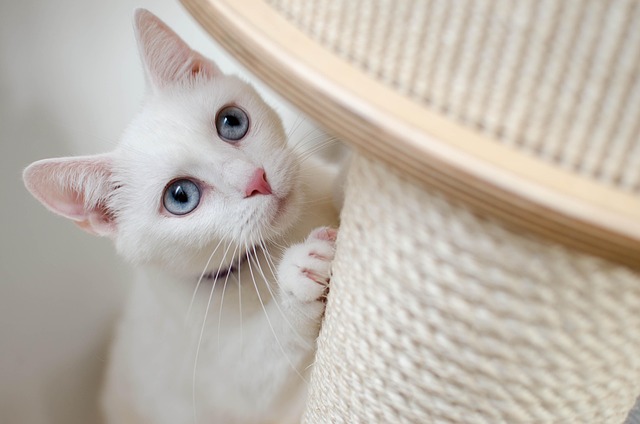
What they were seeing was completely normal. That “zoomie” behavior is often strongest in adolescence. At one year old, cats are confident, strong, and testing their physical limits. In my experience, this is when vertical space becomes essential. If you don’t provide cat trees, shelves, or climbing options, they’ll improvise with your curtains.
Owners sometimes make the mistake of reducing play at this stage because the cat “looks grown.” I usually advise the opposite. Structured play twice daily—five to ten focused minutes each time—can prevent much of the unwanted nighttime chaos.
Social Behavior: Testing Boundaries
One-year-old cats are figuring out social rules. This applies to humans, other cats, and even dogs in the household.
I had a case not long ago involving a neutered male who suddenly began swatting at his owner’s ankles. He wasn’t aggressive in the exam room. No pain issues. No medical red flags. After discussing the daily routine, it became clear that the behavior began when the family reduced interactive playtime.
What looked like “mean” behavior was actually predatory play energy redirected toward moving feet.
At this age, cats:
- Experiment with assertiveness
- Test reactions to biting or swatting
- Establish territory within the home.
If there are multiple cats, subtle hierarchy shifts often occur around the one-year mark. A previously submissive kitten may start guarding favorite resting spots or food bowls. I advise separate feeding areas and multiple litter boxes to reduce tension.
Punishment tends to backfire here. Cats at this stage respond much better to redirection than reprimand.
The Impact of Spaying and Neutering
By the time they are 1 year old, most cats are spayed or neutered. If they’re not, hormonal behavior will be very noticeable.
Intact females may vocalize, roll, and attempt to escape during heat cycles. Intact males are more likely to spray urine and roam.
I’ve seen young male cats start spraying vertically on walls right around that one-year mark because testosterone levels peak during late adolescence. In one household, the owner thought the cat had developed a urinary tract infection because of frequent marking. The urinalysis was clean. The issue was hormonal and territorial.
After neutering, spraying decreased dramatically over the next few weeks.
In my professional opinion, delaying spaying or neutering without a clear breeding purpose creates more behavioral problems than it prevents.
Increased Hunting Drive
At one year old, cats are physically capable hunters. Even indoor cats show intensified stalking behaviors.
You may notice:
- Intense fixation on birds outside windows
- Pouncing on shadows or moving objects
- Bringing toys to secluded corners
One client told me her cat started dragging socks into a closet and “guarding” them. It turned out she had unknowingly created a prey stash. The cat wasn’t being strange—she was practicing instinctual hoarding behavior.
This is the stage where puzzle feeders and interactive toys make a big difference. Food-motivated one-year-olds thrive when meals require effort.
I often recommend rotating toys weekly. Cats at this age get bored easily, and boredom quickly turns into destructive chewing or counter surfing.
Subtle Behavioral Red Flags
Most one-year-old cat behavior is normal development. But this is also the age when underlying issues sometimes surface.
In the past few years, I’ve diagnosed early dental disease, anxiety disorders, and even congenital heart defects that became noticeable during increased activity.
Behavior changes that deserve a vet visit include:
- Sudden withdrawal from interaction
- Aggression that escalates rather than fluctuates
- Persistent litter box avoidance
- Decreased appetite paired with lethargy
A healthy one-year-old cat should be curious, active, and engaged.
I recall a case involving a young female who stopped jumping onto furniture. The owner assumed she was “settling down.” In reality, she had early hip dysplasia. Cats hide discomfort well. Reduced activity at this age isn’t always maturity—it can signal pain.
Independence and Selective Affection
This is the stage where many owners say, “She’s not as cuddly as she used to be.”
That’s normal.
Kittens seek warmth and security constantly. A one-year-old cat is more independent. They may sleep alone more often and approach affection on their terms.
At home, my youngest cat became noticeably less clingy around his first birthday. He didn’t love me less—he simply didn’t need reassurance the way he did as a small kitten. By age two, his affection returned in a more stable, predictable way.
I encourage owners not to force contact. Cats that feel in control of interactions tend to become more affectionate long-term.
Common Owner Mistakes I See
After years in practice, patterns become obvious.
One common mistake is assuming behavioral problems are “just personality.” While personality plays a role, environment shapes much of what we see in a one-year-old.
Another frequent issue is underestimating enrichment needs. Young adult cats require mental stimulation. A bored one-year-old is far more likely to:
- Knock objects off counters.
- Chew electrical cords
- Wake you up repeatedly at night.
I strongly recommend vertical space, scratching surfaces in multiple rooms, and daily interactive play. These aren’t luxuries—they’re behavioral necessities at this stage.
Finally, some owners switch to free-feeding dry food exclusively at one year old. That often leads to weight gain within months. I’ve watched lean adolescent cats become overweight before their second birthday. Structured feeding schedules help maintain a healthy body condition.
What to Expect Over the Next Year
Between one and two years old, most cats gradually settle. The extreme bursts of energy soften. Confidence stabilizes. Social patterns become more predictable.
But I always tell clients: if your one-year-old cat is active, curious, occasionally mischievous, and generally healthy, you’re likely seeing normal development.
This is a dynamic stage. They’re building strength, learning boundaries, refining instincts.
From a veterinarian’s standpoint, it’s one of my favorite ages to examine. They’re no longer fragile kittens, but they still have that spark of unpredictability that makes cats fascinating to live with.
A one-year-old cat isn’t “difficult.” They’re simply in transition. And with the right structure, patience, and understanding, this stage passes more smoothly than most owners expect.