
A Small-Animal Veterinarian Explains
I’m a small-animal veterinarian who has spent most of my career in general practice, and I’ve bathed more dogs than I can count—both in the clinic and at home with my own.
Owners ask me about bath frequency almost every single week. There isn’t one magic number that fits every dog, but there are clear patterns I’ve seen over years of treating itchy skin, greasy coats, and dogs who smell like they rolled through a swamp.
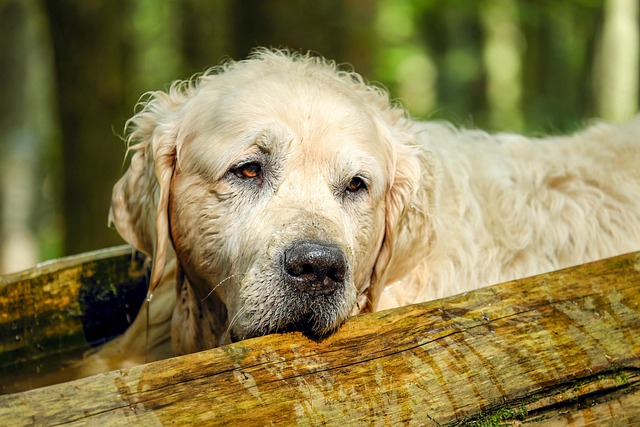
There is no single schedule, but there is a healthy range.
Most healthy dogs with normal skin do well with baths every 4 to 8 weeks. That range keeps the coat clean while preserving the natural oils that protect the skin. I get wary when someone tells me they bathe their dog every few days “because he smells better that way.” That routine is one of the most common reasons I see dry, flaky skin that didn’t need medication until the over-bathing started.
On the other extreme, I occasionally meet dogs who haven’t had a bath in months because their owners are afraid of “washing away immunity.” Those dogs usually arrive with heavy dandruff and a dull coat. Dirt and oil build up just like they do on us.
Coat type changes everything.
Bathing schedules make the most sense when you think in terms of coat type rather than a calendar reminder.
Short-coated dogs—Boxers, Pugs, Labs—usually need fewer baths. Their coats shed dirt well, and a quick wipe-down after a muddy walk often does the job. I’ve had several Lab patients who only truly needed a bath every couple of months unless they swam in ponds or rolled in something impressive, which Labs are strangely gifted at doing.
Double-coated breeds like Huskies, German Shepherds, and Akitas are different. They don’t necessarily need constant shampooing, but they do require regular brushing. I remember a Shepherd I saw one early autumn whose owner kept bathing him weekly to control shedding. The undercoat never had a chance to dry properly, which led to skin infections under the fluff. What actually solved the problem wasn’t more baths—it was less bathing and a serious brushing routine.
Curly or wool coats—Poodles, Doodles, Bichons—tend to need more frequent grooming overall. They mat easily, and mats trap moisture and debris. Many of these dogs do best with a bath every three to four weeks paired with brushing between groomer visits to avoid the “shave-down surprise.”
Lifestyle matters more than you might think.
I’ve treated city apartment dogs who stayed spotless between baths and farm dogs who could find mud on the driest summer day, where your dog spends time matters.
Outdoor adventurers, beach goers, and dogs who love rolling in grass or manure will need more frequent washing. Indoor, low-activity dogs are OK with stretching baths farther apart. One patient of mine—an older small mixed breed who spent most of his day napping in sunny windows—only needed bathing every couple of months. For him, too many baths dried his skin and made him itchy.
Allergies change the equation as well. Allergic skin benefits from medicated shampoos on a schedule I often set as weekly at first, then tapering as the skin improves. Those baths are treatment, not grooming. They’re different from routine “smell better” baths, and I’ve seen them make a real difference for dogs who used to scratch constantly.
The mistake I see most: good shampoo, wrong frequency
Owners often assume that a “gentle” or “oatmeal” shampoo means unlimited use. I’ve learned the hard way—both with patients and my own dog—that even the best shampoo can dry skin if it’s used too often. On the other hand, the right shampoo, when used correctly, can be incredibly helpful.
A couple of summers ago, a family brought me a Golden Retriever with a greasy, slightly sour-smelling coat. They were bathing him with dish soap every weekend because “it cuts grease.” It definitely did—it also stripped his skin barrier. Switching to a dog-specific shampoo and spacing baths to every four weeks, along with regular brushing, solved the problem without medication.
Signs you’re bathing too often
I suggest watching your dog’s body, not the calendar. Bathing is probably too frequent if you notice:
- Flaky, dry skin
- Dull coat that looks fuzzy rather than shiny
- More itching after baths
- “Dog smell” returning faster than before (the skin may be overproducing oil)
Those are signals I take seriously in the exam room, and they usually improve simply by reducing bath frequency and using a better-matched shampoo.
Practical recommendations based on what I actually advise clients
Here’s how I usually guide owners sitting across from me in the exam room:
- Most healthy dogs: every 4–8 weeks
- Dogs with skin disease: follow your vet’s plan; medicated baths often start weekly
- Heavy outdoor lifestyle: bathe as needed, but balance with conditioning or longer intervals once the mess is gone
- Very smelly dogs despite reasonable bathing: that’s a reason for an appointment, not just more baths
If your dog suddenly smells bad, loses hair in patches, or has red sores, bathing alone won’t fix it. I’ve had clients try to “wash away” yeast infections for months before coming in, and those dogs were miserable longer than they needed to be.
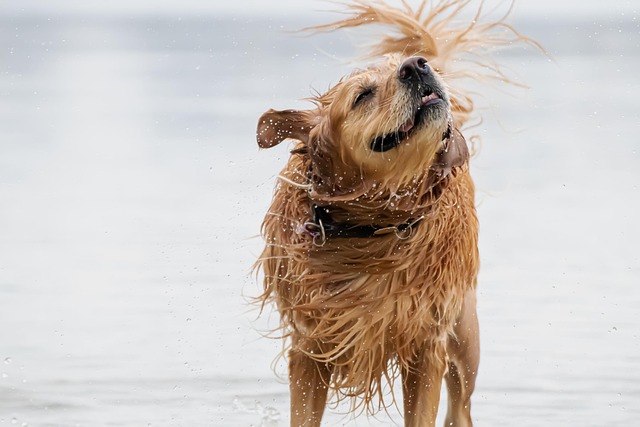
Water without shampoo is different.
Rinsing off mud or salt water without shampoo is fine more often. After beach trips, I always rinse dogs because salt and sand irritate their skin. That’s not the same as a full shampoo bath stripping oils away. Think of it like rinsing your hands versus soaping them ten times a day.
My bottom-line opinion after years in practice
Most dogs are over-bathed or improperly bathed, not under-bathed. Aim for clean, not squeaky-clean, skin. Match the schedule to coat type and lifestyle. Use dog shampoos, not household soap. And if you feel like you’re fighting constant odor or itch despite frequent baths, that’s usually a medical conversation, not a grooming problem.
I’ve seen dogs become calmer, less itchy, and far happier simply by adjusting bath schedules. That’s usually where I start before reaching for complicated treatments, and surprisingly often, it’s enough.