
Observations from a Texas Veterinarian
As a licensed veterinarian practicing in Texas for over ten years, I’ve seen time and again how dental issues can manifest far beyond a dog’s mouth. One of the more surprising patterns is how poor dental health can trigger stomach problems. Dogs may not be able to tell us when their teeth hurt, but their digestive systems often reveal the discomfort.
A Beagle with Unexplained Digestive Issues
Take, for example, a Beagle I treated last fall. The owner brought him in for recurring diarrhea and occasional vomiting. They had tried adjusting his diet multiple times, thinking it was a food-related issue. When I examined his mouth, I discovered several infected teeth and advanced gingivitis.
After professional cleaning and the extraction of the most damaged teeth, his digestive symptoms resolved within a couple of weeks. This case illustrated clearly that bacteria from the mouth had likely traveled into his gut, disrupting normal digestion.
Chewing Problems in Larger Breeds
I’ve also noticed a recurring issue in larger breeds, like Labradors and Golden Retrievers. Painful teeth make chewing difficult, causing dogs to swallow larger chunks of food. That can irritate the stomach lining and, in some cases, lead to gastritis.
A Labrador I treated last spring had been vomiting intermittently for months. His owner had tried multiple diets and supplements without success. It wasn’t until we addressed a fractured molar and severe tartar buildup that the vomiting stopped. I often tell owners that dental discomfort can subtly sabotage digestion, even if the dog continues to eat.
Small Breeds Can Be Affected Too
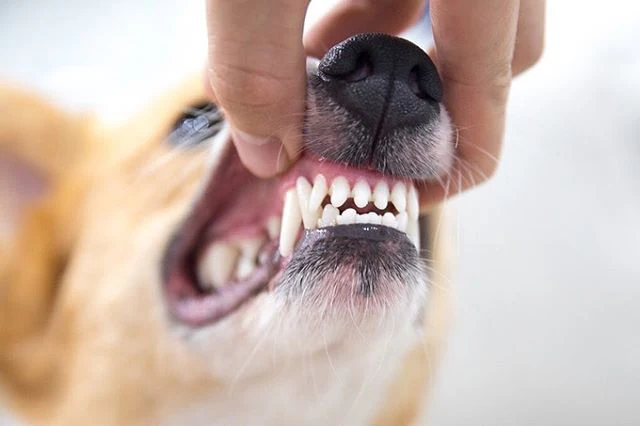
Small breeds aren’t exempt either. I recall a Shih Tzu who presented with chronic bloating and occasional vomiting. They initially blamed the digestive system on stress and irregular feeding, but a closer look revealed a tiny, abscessed tooth that had gone unnoticed. Once they treated the tooth, her gastrointestinal health improved dramatically. In my experience, even minor oral issues in small dogs can trigger systemic inflammation affecting the stomach.
The Importance of Regular Dental Care
Regular dental care is crucial. Brushing your dog’s teeth, providing vet-approved dental chews, and scheduling professional cleanings can prevent bacterial infections that might compromise the digestive tract.
I always advise pet owners to monitor for signs like bad breath, difficulty chewing, pawing at the mouth, or sudden changes in appetite. If a dog starts vomiting, diarrhea, or bloating, a dental exam should be among the first steps.
Final Thoughts from the Clinic
Over the years, I’ve found that addressing oral health often resolves digestive issues that owners may have been chasing with diet changes, supplements, or medications. Dogs can’t tell us their teeth hurt, but their stomachs often tell the story. Treating the mouth is not just about avoiding bad breath—it’s about protecting systemic health and ensuring overall comfort.