
A Veterinarian’s Practical Perspective
I’ve been practicing as a small-animal veterinarian for well over a decade, and questions about human foods come up almost daily in my clinic. Pet owners are often trying to do the right thing—offering their cats a “healthy” snack from their own plate. One vegetable that comes up surprisingly often is celery.
The short answer is yes, cats can eat celery in small amounts. But the longer answer, which I’ve learned through years of real cases and conversations with worried pet owners, is a bit more nuanced.
Why Some Cats Are Curious About Celery
Cats are obligate carnivores, designed to thrive on meat. Still, curiosity drives much of their behavior. They may bat at or nibble on vegetables like celery simply for texture or play.
A client once worried her cat was turning vegetarian after seeing him chew celery stalks, but he just liked the crunch.
Celery provides fiber and water, which can appeal to cats who like crunchy foods. However, it isn’t nutritionally necessary for them.
Now, let’s turn to the core safety question: Is celery actually safe for cats?
Plain celery, cut into small pieces, is generally safe. I’ve never treated a cat for celery toxicity because, quite simply, celery isn’t toxic to cats.
However, the keyword here is plain. Many of the celery snacks people eat are paired with ingredients that can be dangerous for cats. Peanut butter sweetened with xylitol, dips containing garlic, or seasoning mixes can all create problems.
I remember a case where an owner thought she was giving her cat a harmless snack: celery sticks dipped in a flavored cream cheese spread. The cat ended up vomiting and having stomach upset. The issue wasn’t the celery—it was the onion powder in the dip.
Portion Size Matters More Than People Think
Most cats aren’t interested in eating large amounts of celery, but it’s still best to offer only tiny pieces if you decide to share it.
Large chunks of celery can be a choking hazard due to fibrous strings, and some cats may have mild digestive trouble after eating them.
If a cat owner asks me about giving celery as a treat, I usually suggest:
- Cutting it into very small pieces
- Offering only a bite or two
- Avoiding leaves or tough, stringy sections
That keeps the experience safe while satisfying the cat’s curiosity.
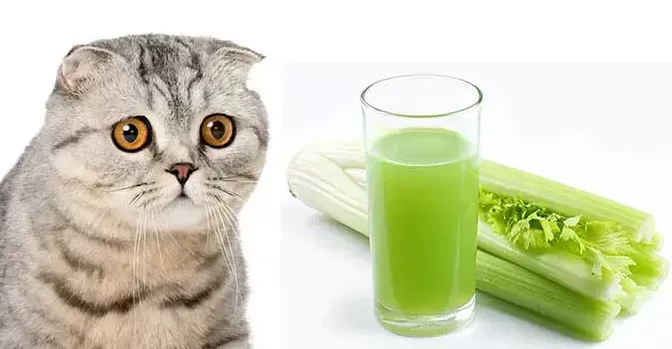
A Cat That Loved Celery More Than Expected
One case still makes me laugh a little. A couple brought in their cat because she kept stealing celery from grocery bags. At first, they assumed she was just playing with it. Then they noticed she was actually eating pieces.
The cat was healthy—she just liked chewing celery.
I suggested treating it the same way we treat cat grass: an occasional nibble is fine, but it shouldn’t become a regular snack that replaces proper nutrition. The owners started offering a tiny piece here and there instead of letting the cat raid the grocery bag.
The problem disappeared almost immediately.
Why Cats Don’t Need Vegetables
From a nutritional standpoint, celery doesn’t contribute much to a cat’s diet. Cats rely on animal protein for essential amino acids like taurine, which vegetables simply don’t provide.
This is something I explain frequently to well-meaning owners who are trying to “add variety” to their cat’s meals.
A balanced commercial cat food provides everything a healthy cat needs. Adding vegetables like celery doesn’t enhance this balance and is, at most, a harmless novelty.
Common Mistakes I See in the Clinic
Over the years, I’ve noticed a few patterns whenever people experiment with human foods for their cats.
The first mistake is offering vegetables prepared for humans. Seasonings, sauces, and dips are often the real risk.
Another issue is portion size. A tiny nibble is one thing, but some owners offer full vegetable sticks, thinking they’re giving a healthy snack.
Finally, some cats simply have sensitive stomachs. I’ve treated cats for mild vomiting or diarrhea after trying new foods that weren’t toxic but still irritated their digestive systems.
That’s why I recommend introducing any new treat slowly and in very small amounts.
Signs a Cat Didn’t Tolerate Celery Well
Most cats handle a small bite without any problem, but occasionally a cat’s stomach disagrees with it.
Symptoms I’ve seen after unusual snacks include mild vomiting, loose stool, or decreased appetite later in the day. In most cases, the issue resolves quickly once the food is removed.
If symptoms persist or worsen, that’s when I advise owners to call their veterinarian. Persistent vomiting or lethargy can signal something more serious than a simple dietary upset.
My Professional Take on Celery for Cats
After years of treating cats and discussing diet with thousands of owners, my view is simple: celery isn’t harmful for cats in small quantities, but it isn’t beneficial either. While it can be a harmless curiosity, it should not be considered a nutritional treat or routine addition to a cat’s diet.r.
If a cat steals a small piece from the kitchen counter, there’s no need to panic. However, celery should stay an occasional, very small treat, not part of a cat’s regular snacks. The main takeaway: let your cat try a tiny piece if they’re curious, but don’t go out of your way to add celery to their diet.k.
Most cats are perfectly happy with treats designed specifically for them. Those options provide flavor and texture without the digestive guesswork that sometimes comes with human foods.
In my clinic, I often tell owners that curiosity is part of living with cats. They’ll sniff, lick, and occasionally taste things they find around the house. Celery just happens to be one of the more harmless discoveries.