
As a veterinarian with over a decade in wildlife rescue, I’ve worked with both native and non-native big cats across Florida. The mix of species—some native and some introduced—offers many surprises for those who want to understand Florida’s big cat population, whether they roam the wild or live in captivity.
Florida Panthers: The Native Predator
The Florida panther is the most well-known native big cat in the state. I remember treating a young male panther a few years ago after it was rescued from a roadside accident in Collier County. These cats are critically endangered, with fewer than 200 believed to exist in the wild. They are elusive, mostly active at night, and sightings are rare. Their habitat stretches across the Everglades and nearby forests, and they face threats from habitat loss and vehicle collisions. In summary, protecting Florida panthers is vital due to their endangered status and the significant threats they face.
In my experience, encounters with panthers are usually indirect—through track evidence or camera traps. Once, a colleague showed me photos of a panther den with kittens barely old enough to leave. It was a vivid reminder of how careful we must be in protecting their habitat, even as urban areas expand.
Non-Native Big Cats: Escapes and Releases
Florida also has a variety of non-native big cats, primarily due to private ownership and the release of exotic pets. Tigers, lions, and leopards are sometimes found in private sanctuaries or as escaped pets. I’ve personally treated a liger at a licensed sanctuary near Tampa; the size and strength of these hybrids are remarkable, and handling them safely requires specialized knowledge.
A memorable case involved a leopard that escaped from a private property in central Florida. Animal control and wildlife officers worked for hours to secure the area, and I assisted with sedation and health checks once it was captured. Situations like this illustrate how non-native big cats can pose both safety risks and conservation concerns, and why strict regulation is necessary.
Small Exotic Cats
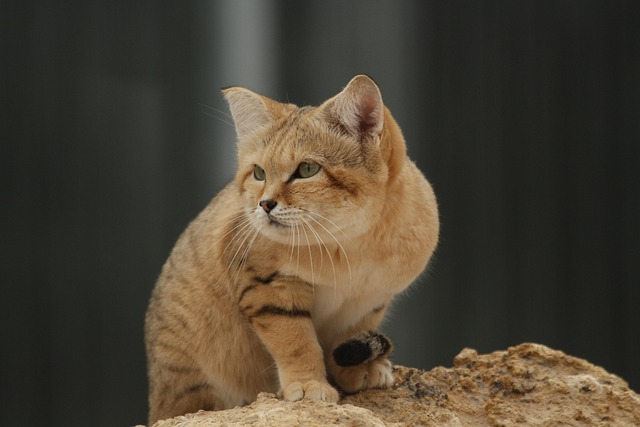
Aside from the large, more visible cats, Florida also has smaller exotic cats, such as servals, caracals, and bobcats, living in captivity. While bobcats are native, servals and caracals are usually pets or sanctuary residents. I’ve seen several owners underestimate the care these cats need. In one case, a serval suffered from malnutrition because the owner didn’t realize its diet must mimic its natural prey. Education and proper permits are crucial in these scenarios.
Observing Big Cats Safely
From my perspective, seeing Florida’s big cats up close should be done responsibly. Visiting accredited sanctuaries or wildlife preserves allows people to appreciate these animals without disturbing wild populations. I recall leading a small veterinary workshop at a sanctuary where students observed panthers at a safe distance. The experience was educational, and everyone left with a deeper understanding of both native and exotic big cat care.
Ultimately, whether dealing with native Florida panthers or non-native cats in captivity, my experience has taught me that our respect, understanding, and commitment to responsible care and management are vital. Florida’s big cats embody both wonder and challenge, and it’s our responsibility to ensure they can thrive here for generations to come.