
What I Tell Dog Owners
I’m a practicing small-animal veterinarian with a little over a decade in clinic work, and ticks are one of those problems that seem simple until they’re not. I’ve had clients walk in panicked because they found a tiny bump on their dog’s ear, convinced it was a tumor—only for it to be a well-fed tick. I’ve also seen the opposite: someone ignores a tick bite, and a few days later, their dog shows signs of illness that could have been prevented.
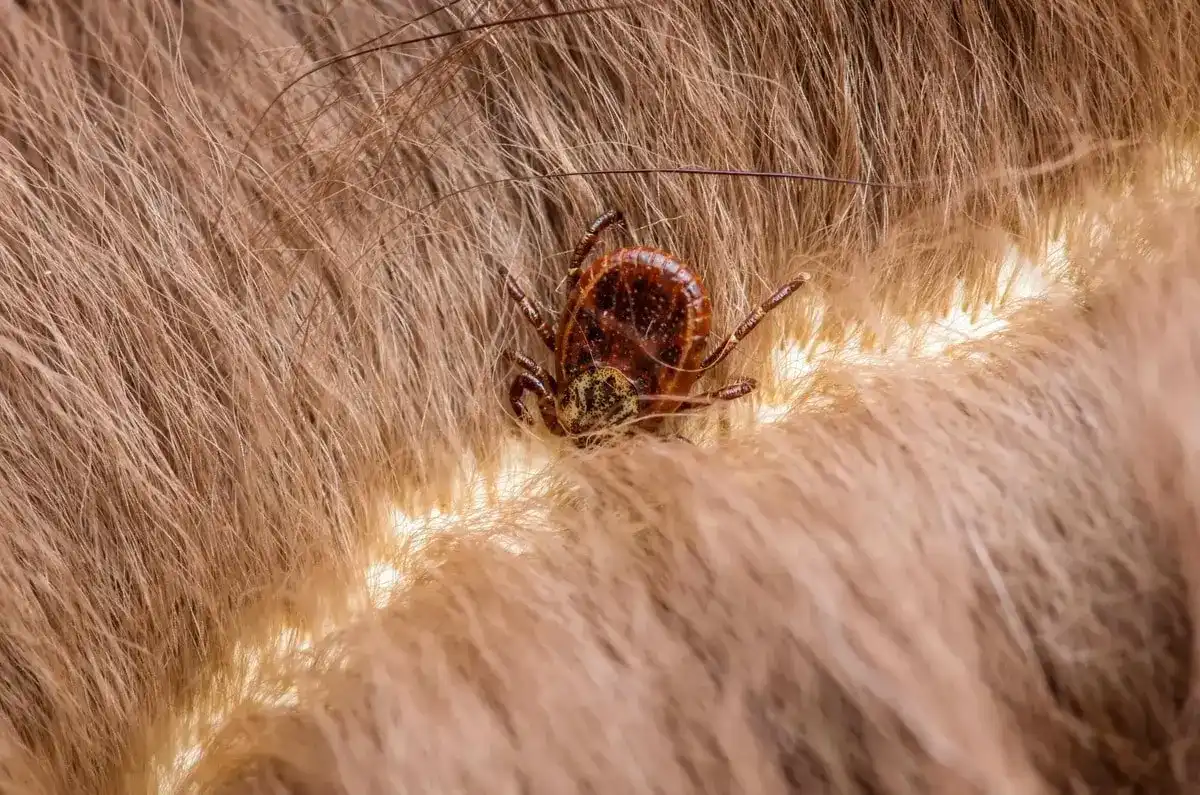
If you’ve just found a tick on your dog, what you do next matters more than most people realize. Here’s how I help clients navigate this situation:
First, Don’t Panic—But Don’t Ignore It Either
Ticks are common, especially if your dog spends time outdoors, on grass, or in areas with livestock. In my experience, the biggest mistake isn’t finding a tick—it’s delaying action.
A client once waited overnight before seeking help for a tick bite, increasing the risk, even though it turned out fine.
The key point is this: once you see a tick, deal with it promptly. Let’s look at how to do that safely and effectively.
How I Remove a Tick (And How You Should Do It)
When I remove ticks in the clinic, I keep it simple and precise. You don’t need fancy tools, but you do need the right technique.
Use a pair of fine-tipped tweezers or a proper tick remover. Grasp the tick as close to your dog’s skin as possible—this is critical. Then pull upward slowly and steadily. No twisting, no jerking.
I’ve had clients try home remedies like applying petroleum jelly, alcohol, or even burning the tick with a match. I strongly advise against all of these. They can irritate the tick and increase the risk of disease transmission.
After removal, clean the area with an antiseptic. If you have something like diluted iodine or chlorhexidine, that works well.
What to Do With the Tick After Removal
Most people just throw it away, and that’s fine in many cases. But I often suggest placing the tick in a small, sealed container or bag, especially if your dog shows symptoms later.
A client who saved a tick helped us identify a disease risk for their dog.
You don’t always need to keep it—but it can be useful.
What the Bite Area Should Look Like
After removal, a small red bump is normal. Think of it like a mosquito bite. It might stay slightly raised for a few days.
What I tell clients to watch for is not the bump itself, but changes around it:
- Increasing redness
- Swelling
- Discharge
- Signs your dog is obsessively licking or scratching
If you see those, it’s worth getting it checked.
When I Start Worrying About Tick-Borne Disease
Not every tick carries disease, but enough do that you should stay alert.
The most common conditions I see associated with ticks include Lyme disease and Anaplasmosis. These don’t show up immediately. In fact, symptoms often appear days or even weeks later.
Here’s what I tell dog owners to watch for:
- Lethargy or unusual tiredness
- Loss of appetite
- Fever
- Limping or stiffness
I had a case a while back in which a very active dog suddenly refused to go for walks. The owner thought it was just fatigue, but it turned out to be early Lyme disease. We caught it in time, but only because the owner noticed that subtle behavior change.
This raises the question: Should you see a vet right away?
Not always.
If you remove the tick completely and your dog seems normal, you can monitor at home. But I recommend seeing a vet if:
- You’re not sure you removed the entire tick.
- The tick was deeply embedded or engorged.
- Your dog starts showing any unusual symptoms.
- Your dog isn’t on tick prevention.
In the clinic, we sometimes run baseline blood tests if there’s a higher risk, especially in regions where tick-borne diseases are more common.
Prevention Is Where Most People Slip Up
This is where I tend to be direct with clients: taking preventive steps before ticks become a problem is far simpler, more reliable, and less expensive than treating illnesses or infestations after the fact. Prevention isn’t just about convenience; it’s about safeguarding your dog’s health as effectively as possible.
I’ve seen dogs come in repeatedly with ticks simply because they weren’t on a consistent preventive treatment regimen. Once they start a proper routine—whether it’s oral medication, spot-on treatments, or tick collars—the problem usually drops off dramatically.
A farm dog improved within weeks of starting a reliable monthly tick prevention regimen.
A Few Things I Always Tell My Clients
There are some patterns I’ve noticed over the years:
People often miss ticks in hidden spots—ears, under collars, between toes, and around the tail base. When I do exams, those are the first places I check.
Another thing: not every small bump is a tick, but if it feels like a tiny bead attached to the skin, take a closer look. I’ve had more than a few “mystery lumps” turn out to be ticks that had been there for days.
And finally, don’t rush the removal. I’ve seen more complications from hurried, rough attempts than from the tick itself.
The Bottom Line From My Experience
Finding a tick on your dog is common, but how you respond makes all the difference. Remove it properly, clean the area, and keep an eye on your dog over the next couple of weeks.
Most of the time, nothing serious happens. But the times it does go wrong are almost always linked to delay, improper removal, or lack of prevention.
That’s why I treat every tick seriously—even the tiny ones.