
Understanding Why Dogs Ignore Toys
As a licensed veterinarian in Texas for over a decade, I’ve seen many dogs and often get asked how to get a dog excited about toys. Many owners buy fancy, colorful toys expecting immediate interest, only to find the toy ignored. Through experience, I’ve learned that getting a dog interested in toys is more about understanding the dog’s instincts, preferences, and environment than the toy itself.
The Importance of Interactive Play
I recall a young Labrador with mild anxiety whose owner tried every squeaky toy, but the dog ignored them. I suggested a simple rope toy and encouraged interactive play instead of leaving it out. We started play sessions with gentle tugging and brief fetch sessions.
Within a week, the dog chewed, tugged, and started seeking the toy alone. That experience showed me that how a toy is introduced matters more than its appearance.
Rotating Toys to Maintain Interest
One common mistake I see is leaving a toy out all the time. Dogs, like children, can become bored if the novelty fades. In my clinic, I sometimes recommend rotating toys every few days. I had a client whose Border Collie ignored every toy except a single stuffed rabbit. By rotating in new toys every few days, we saw a noticeable increase in curiosity and playfulness. Even a short rotation—putting away the rabbit for a couple of days—made the other toys suddenly exciting again.
Using Rewards to Encourage Play
Pairing toys with rewards or attention can help, especially with shy or older dogs. For a senior Golden Retriever, we placed treats inside a soft toy. At first, he ignored it, but soon nudged and chewed to get the treats. Over time, he linked play with rewards and began using other toys, too.
Matching Toys to Natural Instincts
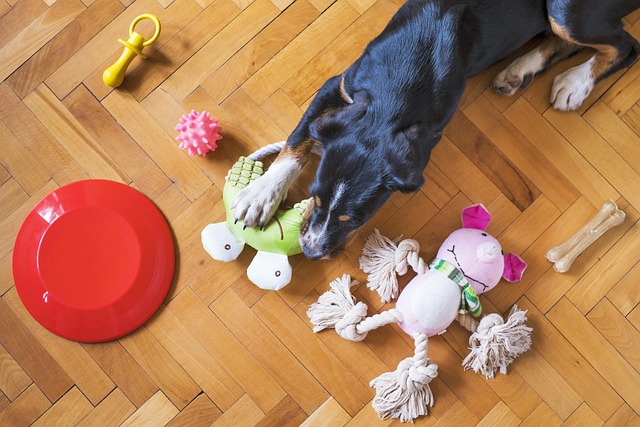
It’s also crucial to match the toy to your dog’s natural behaviors. Some dogs love to chew, some enjoy chasing, and others are motivated by puzzle challenges. I once worked with a high-energy Jack Russell Terrier who ignored plush toys entirely.
Introducing a small ball and short chase games in a controlled indoor space completely transformed his play habits. Observing your dog’s natural preferences often yields better results than guessing which toy “should” appeal to them.
Your Role in Your Dog’s Playtime
Finally, don’t underestimate the role of your own involvement. Dogs are social creatures, and they often play for the interaction as much as for the toy itself. I’ve seen shy dogs become playful once their owner kneels on the floor and engages actively, throwing, tugging, or hiding toys. One anxious rescue dog I worked with never touched a chew toy on his own, but when I demonstrated a brief game of tug-and-release, he immediately joined in and eventually sought out play on his own.
Conclusion
Getting a dog into toys takes patience, observation, and creativity. It’s not about expensive products but discovering what naturally stimulates your dog and making playtime interactive. With small adjustments, nearly any dog can find joy in toys, whether it’s a plush rabbit, sturdy rope, or simple ball.