
As a licensed veterinarian practicing in Texas, I’ve had the opportunity to care for a wide variety of feline breeds, including the striking Bombay cat. These sleek, black-coated cats are not only visually stunning but also come with specific nutritional needs that are slightly different from your average domestic shorthair. Understanding what they eat and how to feed them properly can make a significant difference in their health and longevity.
Understanding the Bombay Cat’s Diet
Bombay cats are obligate carnivores, meaning their bodies are designed to digest and thrive on meat. Their diet should be high in protein, moderate in fat, and low in carbohydrates. Over the years, I’ve observed that Bombay cats, more than many other breeds, benefit from a balanced combination of wet and dry food. Wet food provides hydration and supports urinary tract health, which is particularly important for this breed, while dry food can help maintain dental health.
One case that stands out in my practice involved a Bombay named Midnight. Midnight’s owner had been feeding him primarily dry kibble and noticed he was gaining weight and becoming lethargic. After adjusting his diet to include a high-quality wet food rich in protein and a controlled portion of dry kibble, Midnight regained his energy, maintained a healthy weight, and had a noticeably shinier coat within a few months. This experience reinforced for me how sensitive Bombay cats are to dietary composition.
Safe Protein Sources
In my experience, high-quality animal proteins are the cornerstone of a Bombay cat’s diet. Chicken, turkey, and fish are excellent choices, whether they are incorporated into commercial cat food or served as occasional cooked treats. I once advised a client who had adopted a young Bombay kitten to add small amounts of cooked salmon to his meals. The kitten not only relished the new protein source but also displayed improved muscle tone and vitality after a few weeks.
It’s critical to avoid overfeeding fish, especially tuna, as heavy metals can accumulate over time. I’ve encountered a case of a Bombay cat developing mild gastrointestinal upset from frequent tuna treats. Moderation is essential, and fish should be used to supplement, not replace, a primary protein source.
The Role of Wet and Dry Food
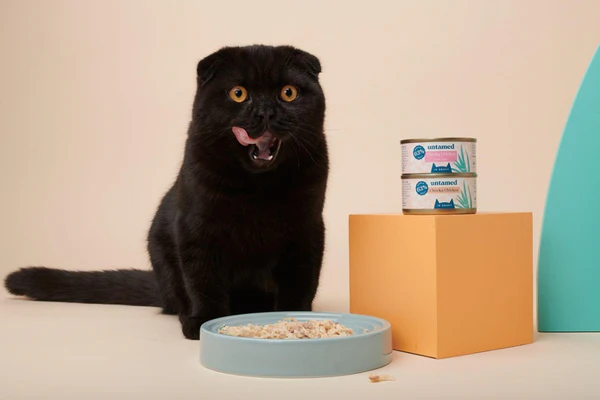
I’ve found that a combination of wet and dry food works best for most Bombay cats. Wet food ensures adequate hydration, which is vital for kidney and urinary health. Dry food, on the other hand, can help prevent plaque buildup on teeth and encourage chewing, both of which are important for dental health. A customer last spring shared that her Bombay, previously uninterested in wet food, started eating eagerly when small portions were paired with high-protein dry food sprinkled on top—a small but effective strategy to improve dietary intake.
Treats and Snacks
Treats should be offered sparingly. I’ve often seen owners overindulge their Bombay cats with snacks, thinking they are harmless, but this can quickly lead to weight gain. In my practice, I usually recommend protein-based treats that are low in carbs. Occasionally, small pieces of cooked chicken or turkey are ideal. One of my clients used tiny portions of freeze-dried chicken as a reward during play sessions, and it worked wonderfully without affecting the cat’s weight.
Monitoring and Adjusting the Diet
Every Bombay cat has unique preferences and tolerances. I always advise my clients to observe how their cats respond to new foods and make gradual adjustments. For example, one of my patients showed mild digestive upset when introduced to a new commercial brand high in grain content. By switching to a grain-free, high-protein option, the cat’s digestion stabilized, and energy levels improved.
My Professional Advice
In my experience, Bombay cats thrive on a diet rich in high-quality animal protein, supplemented with a mix of wet and dry food. Treats should be sparing, fish should be limited, and any dietary changes should be introduced gradually. Paying attention to weight, hydration, and digestion can prevent common health problems and help your Bombay maintain its signature glossy coat and muscular frame.
Feeding a Bombay cat is not complicated, but it requires attention to detail and a willingness to adapt based on your cat’s individual response. With the right diet, these elegant cats can enjoy long, healthy, and active lives.