
As a licensed veterinarian practicing in Texas for over 12 years, I often hear pet owners ask about feeding their cats “human food.” The curiosity usually comes from a good place—wanting to treat their feline companions to something special—but not all human foods are safe for cats. In my experience, the key is knowing which foods are safe in moderation and which should be avoided entirely.
Understanding Cats’ Dietary Needs
Cats are obligate carnivores, meaning their bodies are designed primarily for protein from animal sources. Their digestive systems are not equipped to handle large amounts of carbohydrates or plant-based foods. When I first encountered a client whose cat had chronic digestive upset from too many human snacks, it reinforced how sensitive felines can be to inappropriate foods. Even seemingly harmless items like bread or cheese can cause stomach issues if consumed regularly.
That said, certain human foods can be healthy supplements to a cat’s regular diet. I usually tell pet owners to consider these foods as occasional treats rather than replacements for commercial cat food. For instance, small amounts of cooked chicken or turkey, plain and unseasoned, can be very appealing to most cats and provide additional protein. A few years ago, I had a senior cat patient who struggled with appetite due to dental issues; introducing finely shredded boiled chicken helped maintain his weight and kept him interested in meals.
Safe Human Foods for Cats
When I advise clients about human foods, I often emphasize simplicity. Here are some options I’ve personally seen cats enjoy safely:
- Cooked Meat: Chicken, turkey, lean beef, and even small amounts of cooked fish like salmon or tuna. Make sure there are no bones or seasoning. One client brought in her indoor cat, who loved scrambled eggs with a bit of cooked chicken mixed in. This helped with protein intake without upsetting her stomach.
- Certain Vegetables: Some cats enjoy soft, steamed vegetables like carrots, pumpkin, or green beans. These are best given in tiny amounts. I remember a kitten who would only eat a nibble of pumpkin each evening, which surprisingly aided digestion and reduced hairball issues.
- Cooked Eggs: Scrambled or boiled eggs can provide a protein boost. In my practice, cats with mild anemia responded well to occasional egg treats, provided they were fully cooked to avoid bacterial risks.
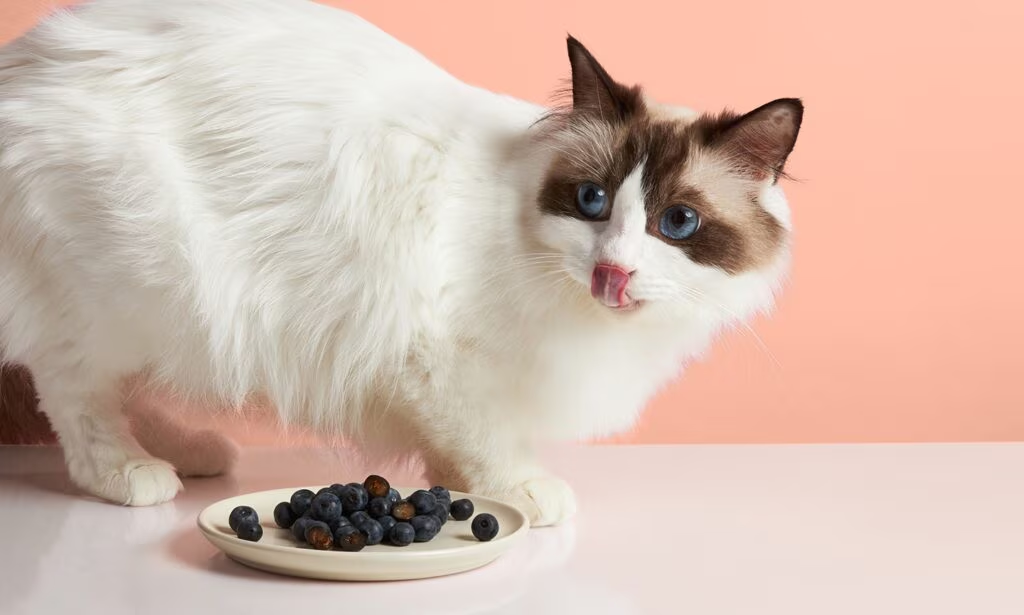
- Small Fruits: Bits of melon or banana can be given occasionally. While most cats aren’t naturally drawn to sweet flavors, some will enjoy a tiny piece as a special treat.
It’s essential to remember that any human food offered should be free of salt, sugar, sauces, spices, onions, garlic, chocolate, or any artificial sweeteners like xylitol. I had a client once who thought a little garlic bread would be a harmless treat; her cat ended up with gastrointestinal upset, reinforcing that even small amounts of certain foods can be risky.
Foods to Avoid
Certain human foods can be toxic to cats, and I always make this clear to owners. These include:
- Onions, Garlic, and Chives: Even small amounts can damage red blood cells.
- Chocolate and Caffeine: Dangerous due to stimulants that affect the heart and nervous system.
- Grapes and Raisins: Can lead to kidney failure in some cats.
- Alcohol and Raw Dough: Highly toxic and potentially lethal.
- Dairy Products: While many think cats love milk, most adult cats are lactose intolerant, which can cause diarrhea and discomfort.
One memorable case involved a young cat that got into a leftover chocolate muffin. Within hours, she was lethargic and vomiting, requiring an emergency visit. Situations like these remind me that even a brief lapse in supervision can have serious consequences.
Tips for Offering Human Food
When offering your cat a safe human treat, portion control is vital. A teaspoon-sized amount is usually sufficient, especially for small cats. I also recommend introducing new foods slowly, watching for any digestive upset or unusual behavior. If you notice vomiting, diarrhea, or changes in appetite, discontinue the food and consult a veterinarian.
In my experience, the most rewarding approach is to use human foods sparingly and purposefully, either for enrichment, training, or as an occasional treat. Cats thrive on routine and consistency, so their primary nutrition should always come from a balanced, high-quality cat food designed for their life stage.
Feeding your cat human food can be a fun way to bond and provide nutritional variety, but only when done thoughtfully. Over the years, I’ve seen cats flourish with the right treats and suffer when owners misjudge which foods are safe. By sticking to small portions of safe items and avoiding dangerous foods, you can share mealtime joy with your feline friend without compromising their health.