
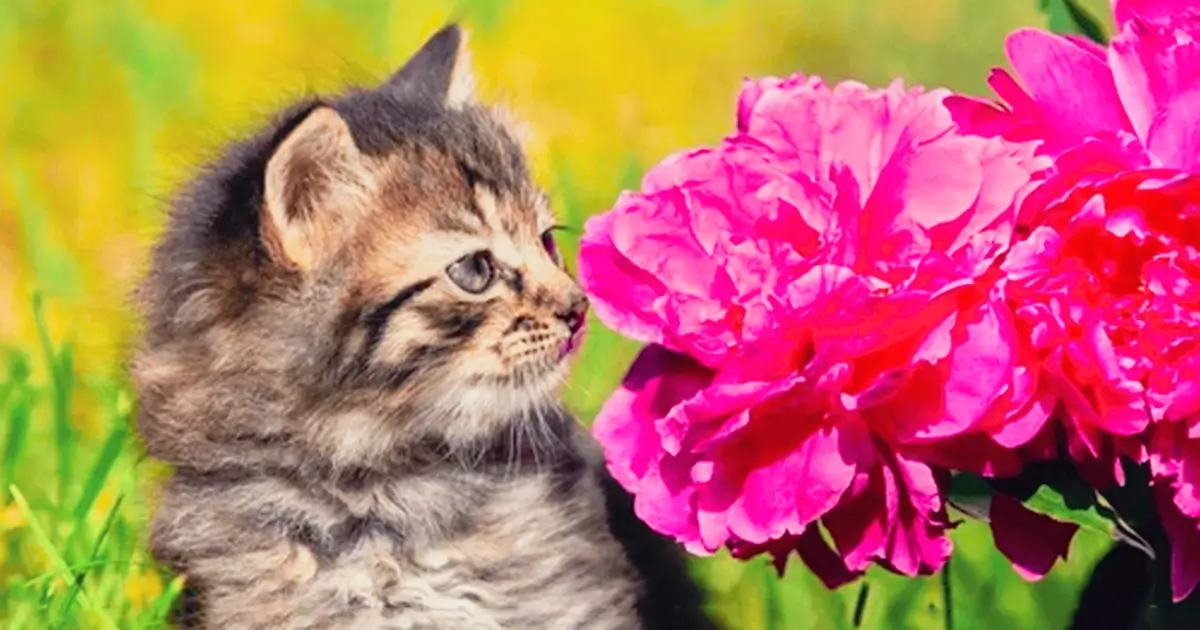
Peonies, known for their bright colors and large blooms, are popular in gardens and arrangements. However, they present a specific risk to cats: if ingested, any part of the peony can harm feline health. Cat owners should be aware of these dangers and ensure that peonies are kept out of reach to prevent accidental ingestion.
Are Peonies Safe for Cats?
Peonies contain compounds called paeonol and other toxins that can affect cats if ingested. The roots, stems, and seeds are the most toxic, while the petals are slightly less harmful. Symptoms of poisoning may include vomiting, diarrhea, drooling, and lethargy. Knowing how to identify these signs early can prevent more serious health issues. For detailed guidance on feline safety with these flowers, resources such as “Are Peonies Cat-Friendly?” offer clear explanations and practical advice for cat owners.
These guides also suggest keeping peonies out of reach of indoor and outdoor cats. Observing your pet near garden beds or bouquets can reduce risks. If you notice repeated attempts to chew on flowers, consider replacing peonies with safer alternatives. Taking these precautions ensures that your cat remains healthy while enjoying a vibrant home.
Some cat breeds, and especially kittens, are more likely to chew plants. Even small peony ingestion can cause illness in sensitive cats. Supervising them helps prevent accidental exposure.
Signs of Peony Poisoning in Cats
Early symptom recognition is crucial. Ingesting peonies may cause vomiting, diarrhea, abdominal pain, drooling, or loss of appetite. Lethargy can also occur. Prompt attention helps reduce complications.
Persistent vomiting or diarrhea for over 24 hours is an emergency. Contact your veterinarian immediately. They may recommend treatments to prevent further complications. Keep peonies out of reach to reduce risk.
Cats may paw at their mouths, chew unusually, or hide when unwell. Watching for these clues, especially in young or elderly cats, allows for quick intervention and faster recovery.
Safe Alternatives to Peonies for Cat Owners
Cat owners who love flowers can choose roses, sunflowers, or orchids, which are safe for pets. Cat-friendly plants like catnip can enrich your pet’s environment. Reviewing plant choices maintains safety as your garden changes.
Choose indoor plants like spider plants, Boston ferns, and bamboo palms, which are safe for cats. Place toxic plants out of reach. A dedicated plant area and non-toxic greenery encourage safe exploration.
Design outdoor gardens with raised beds, fencing, or enclosed spaces to keep cats away from harmful plants. Plant safe options in busy areas. Supervise outdoor time to help adventurous cats avoid danger.
Preventive Measures for Cat Safety Around Peonies
Keep peonies out of reach using baskets, shelves, or terrariums. Train your cat to avoid certain areas and check plants for chewing. Combining these methods helps maintain safety in your home or garden.
Educate others about hazardous plants to prevent accidents. Provide alternative chew toys and keep floors free of pet hair or leaves. These steps create a safe, enjoyable environment for pets.
When cats have shown prior interest in plants, more advanced measures may be needed. Barrier methods, such as mesh coverings or plant cages, can protect both plants and cats. Using scent deterrents that are safe for cats may also discourage chewing. Consistently monitoring behavior is key to preventing accidental poisoning. Balancing curiosity and safety ensures a harmonious home for both cats and plants.
Being aware of plant toxicity and understanding feline behavior allows owners to make informed decisions. Regularly updating knowledge about safe and unsafe plants helps reduce risks. Combining environmental adjustments, safe alternatives, and supervision keeps both your cats and garden thriving. Responsible plant selection supports a healthy and engaging home for pets. A thoughtful approach guarantees that your love for flowers does not compromise your cat’s well-being.
By taking precautions, offering safe alternatives, and closely observing behavior, cat owners can enjoy beautiful flowers without worry. Awareness of potential hazards, early symptom recognition, and preventive measures helps ensure that cats remain healthy while surrounded by vibrant plants. A well-planned environment supports both aesthetic enjoyment and feline safety, creating a balanced, harmonious home space for all.