
What Responsible Owners Should Understand
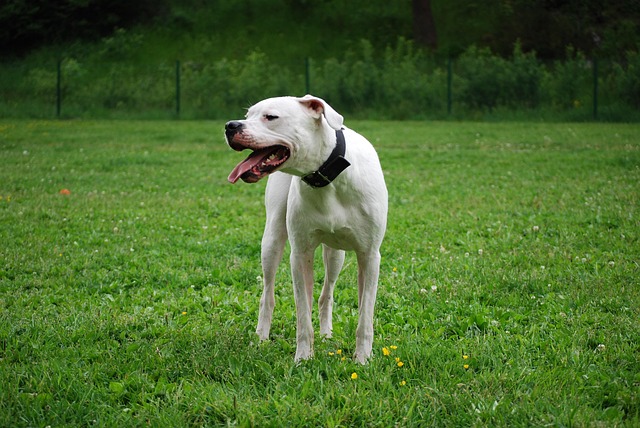
Argentine Dogos are admired for their strength, loyalty, and protective instincts. For many owners, choosing this breed is a deliberate decision rooted in temperament and purpose. At the same time, the breed’s size, structure, and genetics introduce health risks that are often underestimated—especially by first-time large-breed owners.
Most Argentine Dogo health problems are not sudden or mysterious. They develop through predictable cause-and-effect pathways involving growth rate, body weight, exercise habits, and inherited traits. Understanding these patterns allows owners to reduce risk rather than react to emergencies later.
This article explains the most relevant health concerns associated with Argentine Dogos, why they occur, and how informed ownership can significantly improve long-term wellbeing.
Joint and Mobility Disorders
Joint disease is one of the most common long-term health challenges in Argentine Dogos. Conditions such as hip dysplasia and elbow dysplasia occur when joints fail to develop in proper alignment, leading to uneven wear, inflammation, and pain over time.
Large, muscular breeds place substantial mechanical stress on their joints. When rapid growth, excess body weight, or high-impact activity are added during puppyhood, that stress increases significantly. Owners sometimes assume that intense exercise builds stronger joints, but the opposite is often true. Overloading developing joints can accelerate structural damage that cannot be reversed later.
Early signs may include stiffness after rest, reluctance to jump, or changes in gait. These signs are frequently dismissed as temporary soreness, allowing damage to progress unnoticed.
Responsible management focuses on:
Controlled, age-appropriate exercise during growth
Maintaining a lean body condition
Avoiding forced running or jumping in young dogs
Monitoring movement changes rather than waiting for visible lameness
Joint disease cannot always be prevented, but its severity and progression can often be reduced through early awareness.
Cardiac Conditions
Argentine Dogos may be predisposed to certain heart conditions, including dilated cardiomyopathy. This condition weakens the heart muscle, reducing its ability to circulate blood efficiently. Over time, this can lead to fatigue, breathing difficulty, and fainting episodes.
Cardiac disease often progresses quietly. Early symptoms are subtle and easy to overlook, particularly in dogs that appear strong and athletic. Reduced stamina, excessive panting, or coughing after mild activity may be mistaken for aging or poor conditioning.
The risk increases with age, but younger dogs are not exempt. Routine veterinary monitoring allows heart changes to be detected before symptoms become severe. Once advanced, heart disease is more difficult to manage and carries a higher risk of sudden complications.
Early detection shifts care from crisis management to long-term stability.
Skin Sensitivities and Allergies
Despite their short coat, Argentine Dogos are not immune to skin problems. In fact, their sparse coat and light pigmentation can make them more vulnerable to environmental irritants.
Common triggers include pollen, dust, cleaning agents, and dietary components. Skin reactions typically appear as persistent itching, redness, ear inflammation, or recurrent infections. Owners often focus on external parasites as the cause and overlook allergies until symptoms become chronic.
Diet plays a meaningful role in skin health. Foods high in fillers or low-quality protein sources may contribute to inflammation, particularly in sensitive dogs. Skin issues are not merely cosmetic; prolonged inflammation compromises the skin barrier and increases infection risk.
Managing skin health requires identifying patterns rather than treating symptoms in isolation.
Digestive Emergencies and Bloat Risk
Gastric dilatation-volvulus, commonly known as bloat, is one of the most serious risks faced by deep-chested breeds like the Argentine Dogo. This condition involves rapid stomach expansion that can twist and cut off blood supply, becoming life-threatening within hours.
Bloat is strongly associated with feeding and activity patterns. Large meals followed by vigorous exercise increase risk, as does rapid eating. The condition often strikes without warning, which leads some owners to believe it is unavoidable. In reality, management choices significantly influence risk.
Safer practices include smaller meals, calm feeding routines, and rest periods after eating. While these steps do not eliminate risk entirely, they reduce it substantially.
Deafness and Sensory Considerations
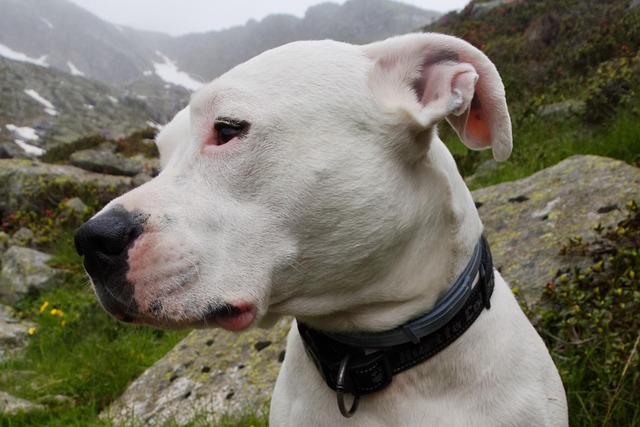
Congenital deafness occurs more frequently in white-coated breeds, including the Argentine Dogo. This condition is present from birth and may affect one or both ears.
Deafness is not painful, but it alters how a dog interacts with its environment. Without awareness, owners may misinterpret behavioral responses as stubbornness or disobedience. In reality, the dog may simply not perceive auditory cues.
Early screening allows owners to adapt training methods and prevent safety risks related to traffic, off-leash activity, or startle responses.
Common Owner Misunderstandings
Many health problems in Argentine Dogos worsen because of well-intentioned but inaccurate assumptions:
Believing that more exercise always equals better health
Assuming short-coated dogs have fewer skin issues
Delaying evaluation until pain becomes obvious
Overfeeding during growth to “support size”
These choices rarely stem from neglect. They stem from a mismatch between the breed’s appearance and its physiological limits.
Making Responsible Choices
Owning an Argentine Dogo requires balancing strength with restraint. The breed thrives when physical demands are matched with biological reality. Preventive dog care, moderated growth, and consistent observation are more protective than reactive treatment later.
Health risks do not make the breed unsuitable. They make informed ownership essential. When owners understand why these conditions occur and how daily decisions influence outcomes, Argentine Dogos are far more likely to live comfortable, stable lives with fewer avoidable complications.
The most responsible choice is not perfection, but awareness paired with consistent care.